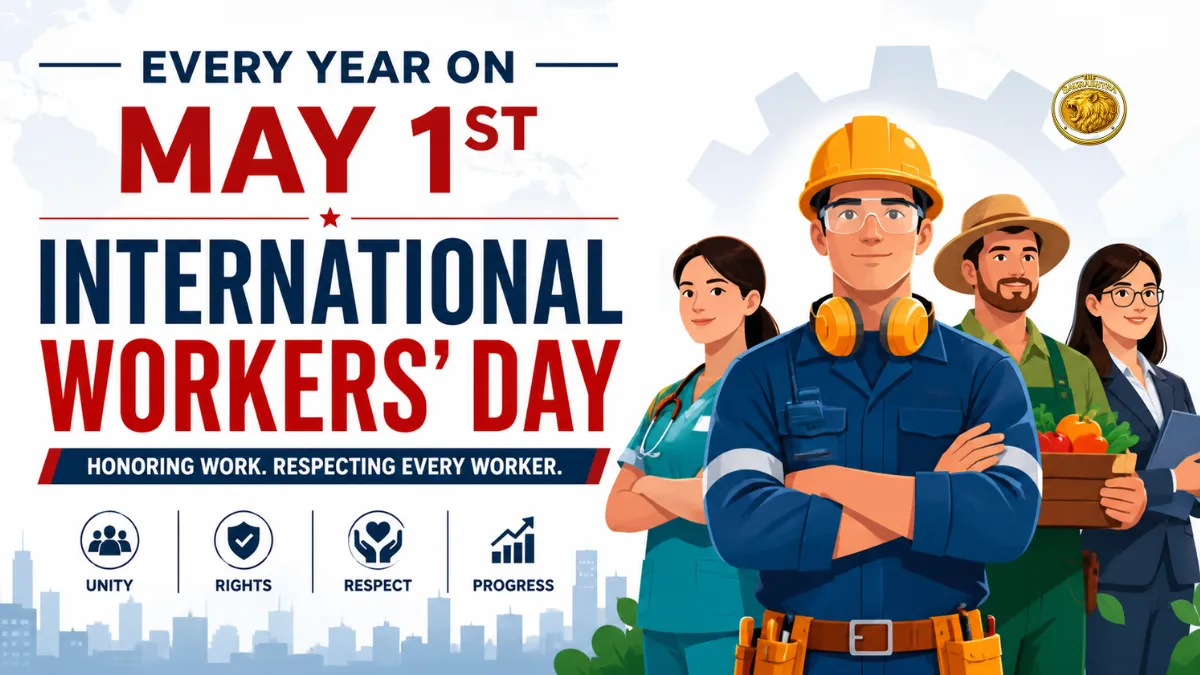
Every year on May 1st, people across the world come together to observe International Workers’ Day. At first glance, it may feel like just another public holiday for some, but if you take a closer look, you’ll notice it carries a deep and powerful history. It is a day that honors the contributions of workers and reminds us of the struggles that shaped modern labor rights.
Whether you are an employee, a student, or even a business owner, this day connects to everyone in some way. It’s not just about taking a break from work—it’s about understanding how far we’ve come and what still needs attention.
The Origins of International Workers’ Day
To understand the meaning behind International Workers’ Day, we need to go back to the late 19th century. During that time, workers in many parts of the world were dealing with harsh conditions. Long working hours, unsafe environments, and very low wages were common.
One of the most significant events linked to this day is the Haymarket Affair in Chicago. Workers had begun demanding an eight-hour workday, which we now take for granted. Protests were organized, and while most were peaceful, the situation escalated in Chicago, leading to violence and loss of lives.
This event became a symbol of workers’ struggles worldwide. Over time, May 1st was chosen as a day to remember these sacrifices and to continue advocating for fair treatment.
Why International Workers’ Day Is Celebrated
At its core, International Workers’ Day is about recognition. It highlights the value of labor and the role workers play in building economies and societies.
You might notice that in many countries, the day is marked with rallies, speeches, and community events. These are not just formalities. They are reminders that workers’ rights didn’t come easily—they were earned through years of effort, protest, and unity.
The day also serves as a platform to discuss ongoing challenges such as fair wages, job security, and safe working conditions. Even today, in many parts of the world, workers still face difficulties that need attention.
How Different Countries Observe the Day
One of the interesting things about International Workers’ Day is how differently it is celebrated around the world.
In countries like India, it is known as Labour Day and is often marked by public gatherings and awareness programs. Workers from various sectors come together to celebrate their contributions and raise their voices about current issues.
In France, people often give lilies of the valley flowers as a symbol of good luck and appreciation. Meanwhile, in China, the day is part of a longer holiday period, allowing people to relax and spend time with family.
Interestingly, in the United States, Labor Day is celebrated on a different date, in September. This difference reflects unique historical and political developments in each region.
The Importance of Workers in Everyday Life
It’s easy to overlook how much we depend on workers in our daily routines. From the person who prepares your morning tea to those who manage transportation systems, workers are everywhere.
If you think about it, almost everything you use or experience is connected to someone’s effort. Roads, buildings, technology, healthcare—none of these exist without labor.
International Workers’ Day reminds us to pause and appreciate these contributions. One of the best things about this day is that it shifts our focus from individual success to collective effort.
Modern Challenges Faced by Workers
While many improvements have been made over the years, new challenges continue to emerge.
For example, the rise of the gig economy has changed how people work. While it offers flexibility, it often comes without job security or benefits. Many workers today are also dealing with long hours, mental stress, and uncertain career paths.
In some industries, automation and technology are replacing traditional jobs. While progress is important, it also raises questions about employment opportunities and skill development.
You might notice that discussions around work-life balance are becoming more common. This is because people are realizing that fair working conditions are not just about pay—they also include mental and physical well-being.
The Role of Trade Unions
Trade unions have played a major role in shaping workers’ rights. They act as a collective voice, helping workers negotiate better conditions and wages.
In the past, unions were at the forefront of movements that led to important changes like minimum wage laws and workplace safety standards. Even today, they continue to advocate for fairness and equality.
If you are part of a workforce, understanding how unions function can give you a better idea of your rights and protections.
International Workers’ Day in India
In India, International Workers’ Day has a special place due to the country’s diverse workforce. From farmers and factory workers to IT professionals, the range is vast.
The day is often marked by events organized by labor organizations and government bodies. Speeches, workshops, and awareness campaigns are common.
In states like Tamil Nadu, it is even a public holiday, reflecting the importance given to workers’ contributions. You might also see banners and messages promoting workers’ rights in many cities.
How You Can Observe the Day
You don’t have to attend a rally or event to observe International Workers’ Day. There are simple ways to connect with its meaning.
You can start by learning more about workers’ rights and sharing that knowledge with others. Supporting fair trade and ethical businesses is another way to make a difference.
If you are working, take a moment to reflect on your own journey. Think about what you value in your workplace and what changes you would like to see.
If you are an employer, this is a great opportunity to appreciate your team. Even small gestures of recognition can make a big impact.
The Future of Work and Why This Day Still Matters
As the world continues to change, the nature of work is also evolving. Remote jobs, digital platforms, and global collaboration are becoming more common.
But despite these changes, the core idea behind International Workers’ Day remains the same. It’s about fairness, dignity, and respect for all kinds of work.
If you look ahead, one thing is clear—workers will always be at the heart of progress. Recognizing their efforts and ensuring their well-being is not just important, it’s necessary.
Read Also: World Heritage Day 2026: History, Importance, Theme, and How to Celebrate
Conclusion
International Workers’ Day is more than just a date on the calendar. It is a reminder of history, a reflection of the present, and a guide for the future.
You might not think about it often, but every improvement in working conditions today is the result of someone’s struggle in the past. And every step we take now will shape the experience of future generations.
So, as May 1st comes around, take a moment to appreciate the people who keep the world moving. Their efforts deserve recognition—not just on this day, but every single day.