A Global Conservation Appeal Sparks Debate Over Wildlife Management
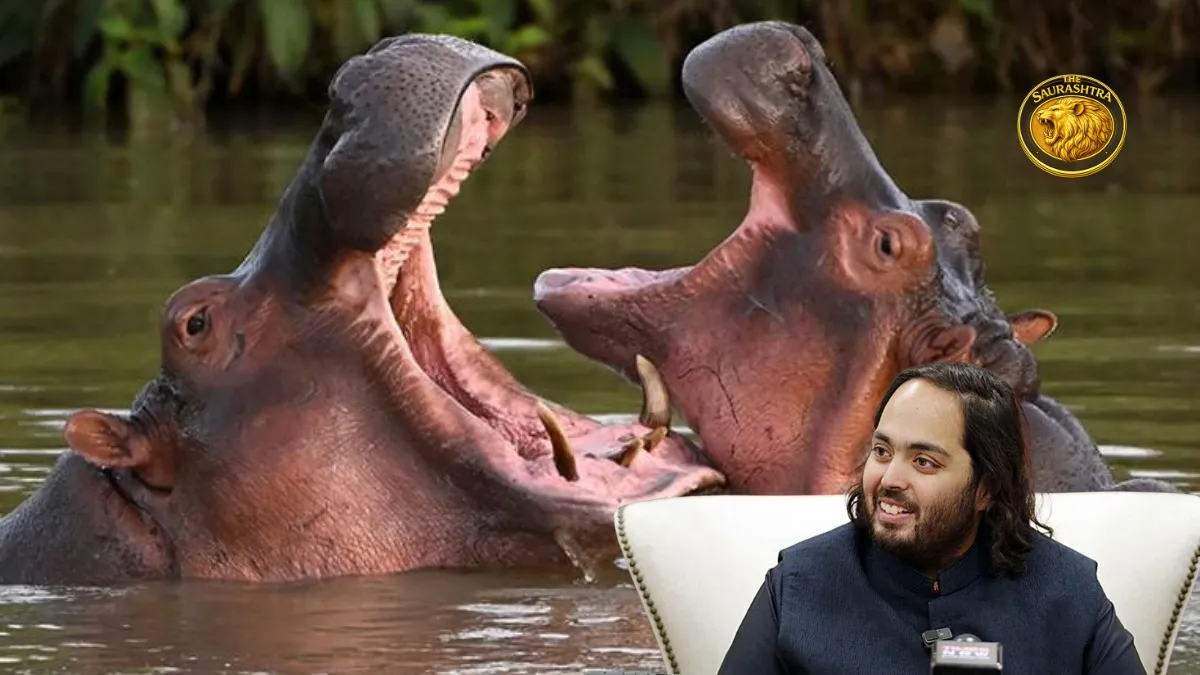
In a development that has drawn international attention, Anant Ambani urges Colombia to halt killing of 80 hippos and instead consider a humane, science-driven alternative. The young conservation advocate and business leader has formally appealed to the Colombian government to reconsider its controversial plan to cull a portion of the country’s rapidly growing hippopotamus population. His proposal: safely capture and relocate the animals to India, where they would receive lifelong care at a state-of-the-art wildlife facility.
The request has ignited a broader global conversation about conservation ethics, invasive species management, and the responsibilities humans bear toward animals affected by historical and ecological disruptions.
Who Is Leading the Appeal?
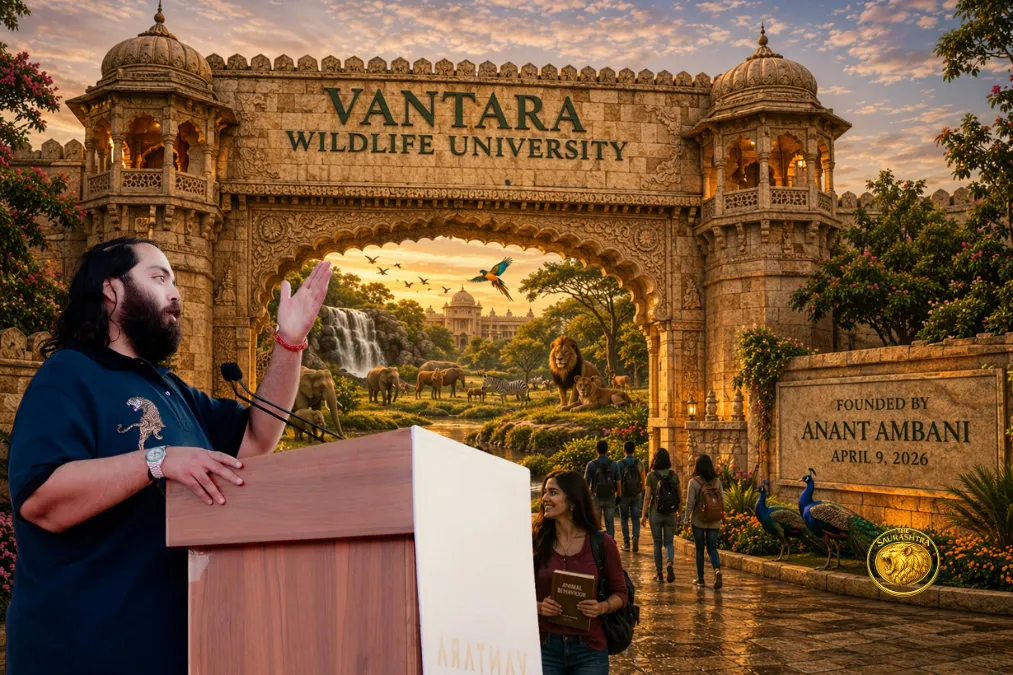
At the center of this initiative is Anant Mukesh Ambani, Executive Director of Reliance Industries Limited and founder of Vantara. Over the past few years, Ambani has emerged as a prominent voice in global animal welfare, championing large-scale rescue, rehabilitation, and conservation efforts.
His latest appeal focuses on a unique and complex ecological issue unfolding thousands of miles away in South America.
The Colombia Hippo Crisis Explained
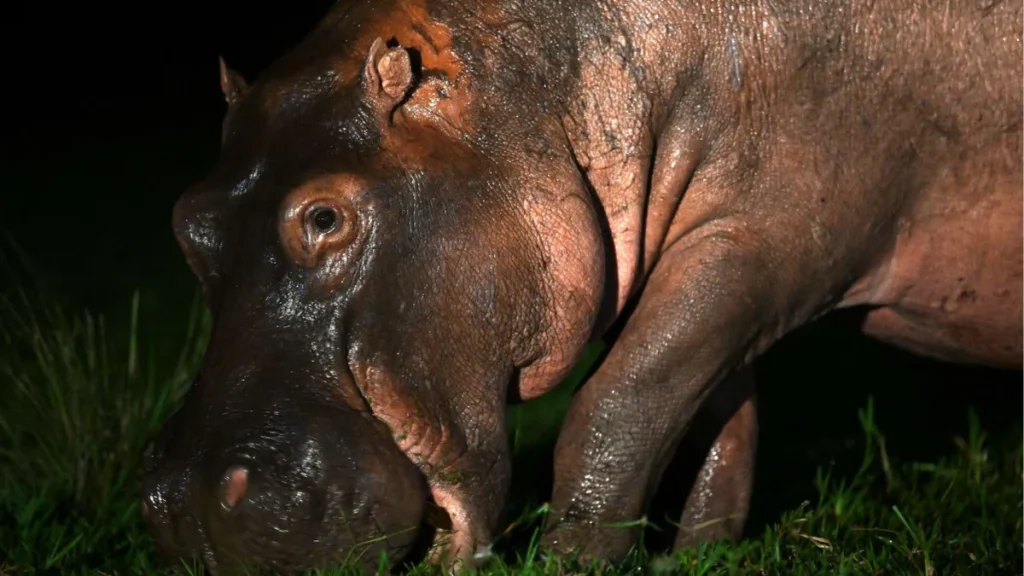
The controversy centers on the population of hippopotamuses living in Colombia’s Magdalena River basin. These animals are descendants of a small group originally brought to the country in the 1980s during the era of Pablo Escobar. After Escobar’s death, the animals were left unmanaged and gradually spread into surrounding ecosystems.
Over the decades, the hippo population has grown significantly, with estimates now placing their numbers at around 200. Without natural predators and thriving in Colombia’s favorable climate, these large mammals have multiplied rapidly.
Colombian authorities now classify them as an invasive species, citing several concerns:
- Disruption of native ecosystems
- Competition with local wildlife
- Alteration of water quality and vegetation
- Safety risks to nearby communities
To address these challenges, the government recently approved a plan to lethally remove 80 hippos—a decision that has sparked widespread debate among conservationists, scientists, and animal rights advocates worldwide.
Anant Ambani’s Proposal: A Humane Alternative
Instead of culling, Anant Ambani urges Colombia to halt killing of 80 hippos and explore relocation as a viable solution.
In a formal letter addressed to Irene Vélez Torres, Colombia’s Minister of Environment and Sustainable Development, Ambani requested that authorities pause the lethal plan and evaluate a comprehensive translocation initiative.
His proposal includes:
- Scientific Expertise: Deployment of experienced veterinarians and wildlife specialists
- Safe Capture & Transport: Use of internationally approved techniques to minimize stress and risk
- Biosecurity Measures: Strict health and quarantine protocols
- Habitat Development: Creation of a naturalistic environment in India tailored to the hippos’ needs
- Lifetime Care: Permanent sanctuary at Vantara with full medical and ecological support
Ambani emphasized that all steps would be carried out strictly under the guidance and approval of Colombian authorities, ensuring transparency and collaboration.
A Moral Argument Rooted in Compassion
Speaking on the issue, Ambani highlighted the ethical dimension of the crisis:
“These eighty hippos did not choose where they were born, nor did they create the circumstances they now face.”
His statement underscores a key point in the global debate: the animals are not responsible for their invasive status. Their presence is the result of human actions decades ago, raising questions about moral accountability.
Ambani further added:
“They are living, sentient beings, and if we have the ability to save them through a safe and humane solution, we have a responsibility to try.”
This perspective has resonated with animal welfare organizations and sections of the international community advocating non-lethal conservation strategies.
Inside Vantara: The Proposed New Home
The proposed relocation site, Vantara in Jamnagar, is among the largest and most advanced wildlife rescue and rehabilitation centers globally.
Key features of Vantara include:
- Specialized veterinary hospitals
- Species-specific enclosures and habitats
- Advanced rehabilitation programs
- Long-term care infrastructure
- Collaboration with international conservation bodies
The facility currently houses and cares for a wide range of animals, including elephants, big cats, primates, reptiles, and other rescued species.
For the hippos, Vantara has proposed building an environment that closely mirrors conditions in Colombia’s river systems—ensuring their behavioral and ecological needs are met.
Science, Safety, and Coexistence
Ambani’s proposal also addresses a critical concern: balancing animal welfare with public safety.
“Compassion and public safety are not opposing forces,” he stated.
The relocation plan aims to:
- Reduce risks to Colombian communities
- Preserve local biodiversity
- Prevent further ecological damage
- Avoid unnecessary loss of animal life
Experts note that while translocation of large animals like hippos is complex, it is not unprecedented. With proper planning, international cooperation, and scientific oversight, such operations can succeed.
Legal and Logistical Challenges Ahead
While the proposal has gained attention, it is far from simple to implement. Several approvals and processes would be required:
- Clearance from the Colombian government
- Authorization from Indian authorities
- Compliance with international wildlife transport regulations
- Coordination with conservation and veterinary bodies
Additionally, transporting large semi-aquatic mammals across continents involves significant logistical challenges, including sedation, containment, climate adaptation, and long-term monitoring.
However, Vantara has expressed readiness to manage these complexities, offering full financial and operational support.
Global Reactions and Growing Pressure
The issue has attracted widespread global interest, with conservationists, policymakers, and activists weighing in.
Some experts argue that culling is necessary to quickly control the population and prevent further ecological harm. Others believe that humane alternatives, though complex, should be prioritized whenever possible.
Ambani’s intervention has added momentum to calls for:
- Ethical wildlife management
- International collaboration
- Long-term, sustainable solutions
The phrase “Anant Ambani urges Colombia to halt killing of 80 hippos” has rapidly gained traction in global discourse, symbolizing a broader shift toward compassion-led conservation.
Read also: Vantara Wildlife University: World’s First Wildlife and Veterinary University Announced in Jamnagar
India’s Emerging Role in Global Conservation
This proposal also highlights India’s growing influence in international wildlife conservation efforts.
Through initiatives like Vantara, the country is positioning itself as a leader in:
- Large-scale animal rescue
- Advanced veterinary care
- Cross-border conservation collaboration
- Science-based ecological solutions
Ambani’s appeal reflects a vision where nations work together to address complex environmental challenges that transcend borders.
The Bigger Picture: Lessons from the Hippo Dilemma
The Colombian hippo situation is not just a local issue—it is a case study in global conservation challenges.
It raises important questions:
- How should countries manage invasive species ethically?
- What responsibility do humans have toward animals affected by past actions?
- Can science and compassion coexist in conservation policy?
- Are there scalable alternatives to lethal control methods?
The answers are not straightforward, but initiatives like this push the conversation forward.
Read also: VANTARA-Style Wildlife Centre and Rescue Hub to Come Up in Ujjain Across 500 Hectares
What Happens Next?
The Colombian government has yet to make a final decision regarding the proposal. Vantara has requested that the culling plan be temporarily suspended while its relocation strategy is evaluated in detail.
If approved, the operation could become one of the most ambitious wildlife translocation efforts ever undertaken.
Regardless of the outcome, Anant Ambani urges Colombia to halt killing of 80 hippos has already succeeded in one key aspect: bringing global attention to a complex issue and opening the door for dialogue.
Conclusion: A Defining Moment for Conservation Ethics
The debate over Colombia’s hippos is far more than a policy decision—it is a reflection of how humanity chooses to interact with the natural world.
Anant Ambani’s appeal represents a growing belief that conservation must evolve beyond quick fixes and embrace long-term, humane solutions backed by science.
Whether Colombia ultimately accepts or rejects the proposal, this moment will likely shape future approaches to wildlife management worldwide.
As nations grapple with similar challenges, one thing is clear: the balance between ecological responsibility and compassion will remain at the heart of conservation in the years to come.