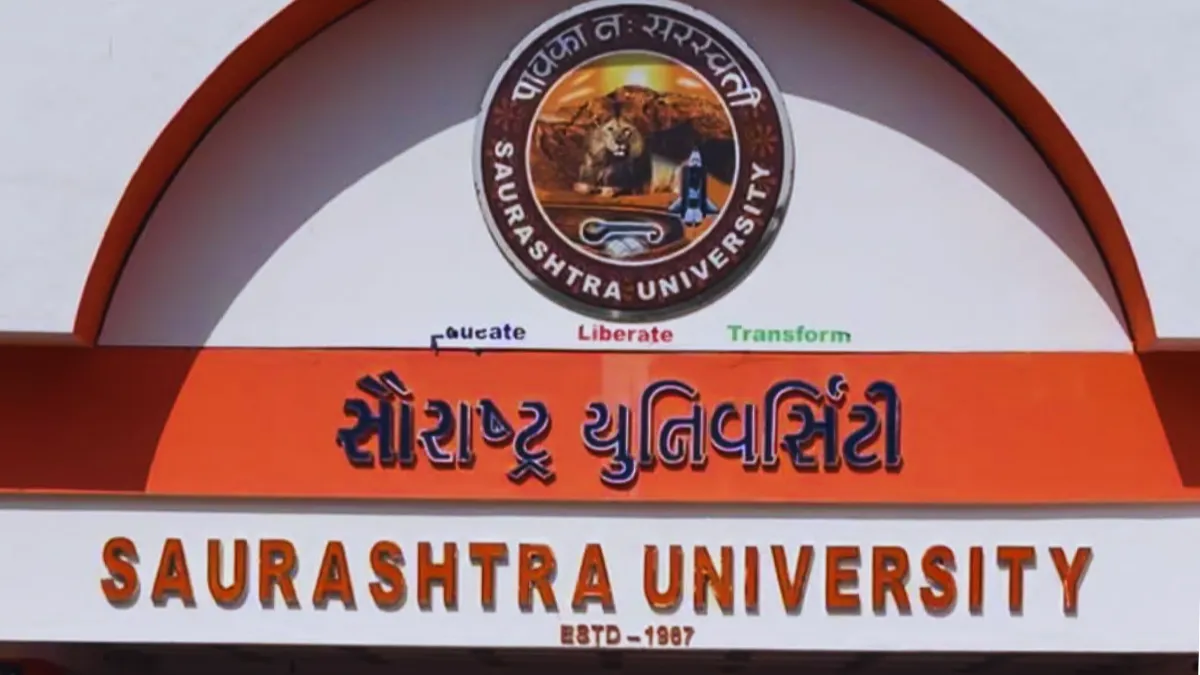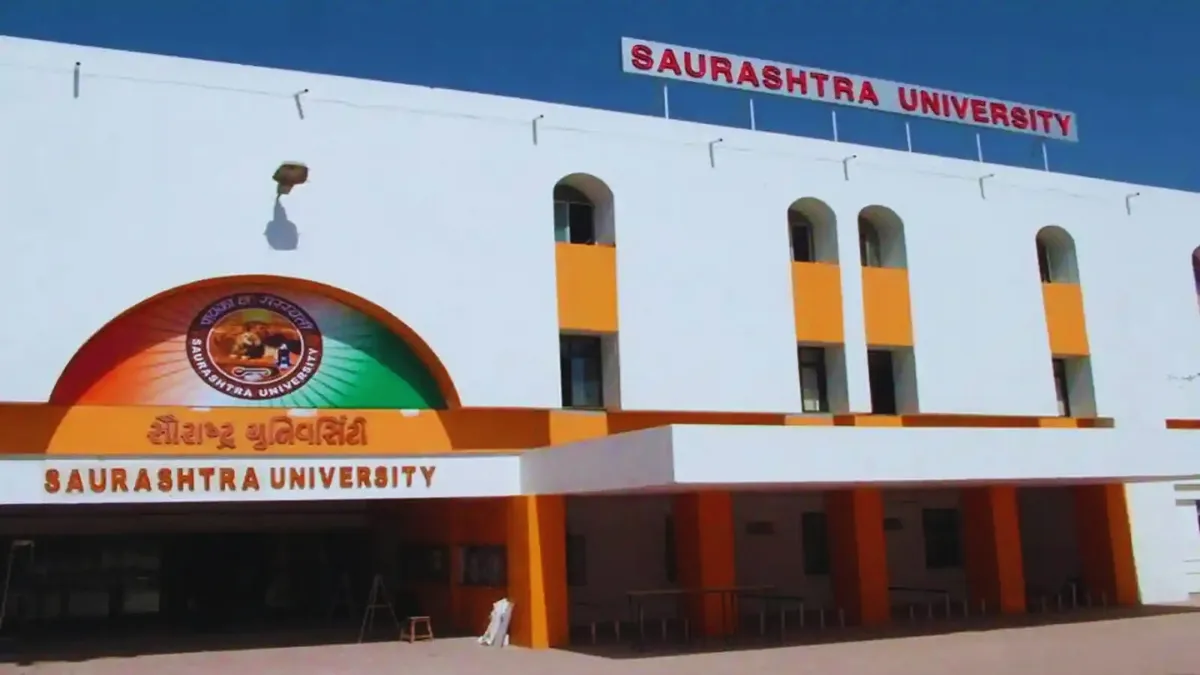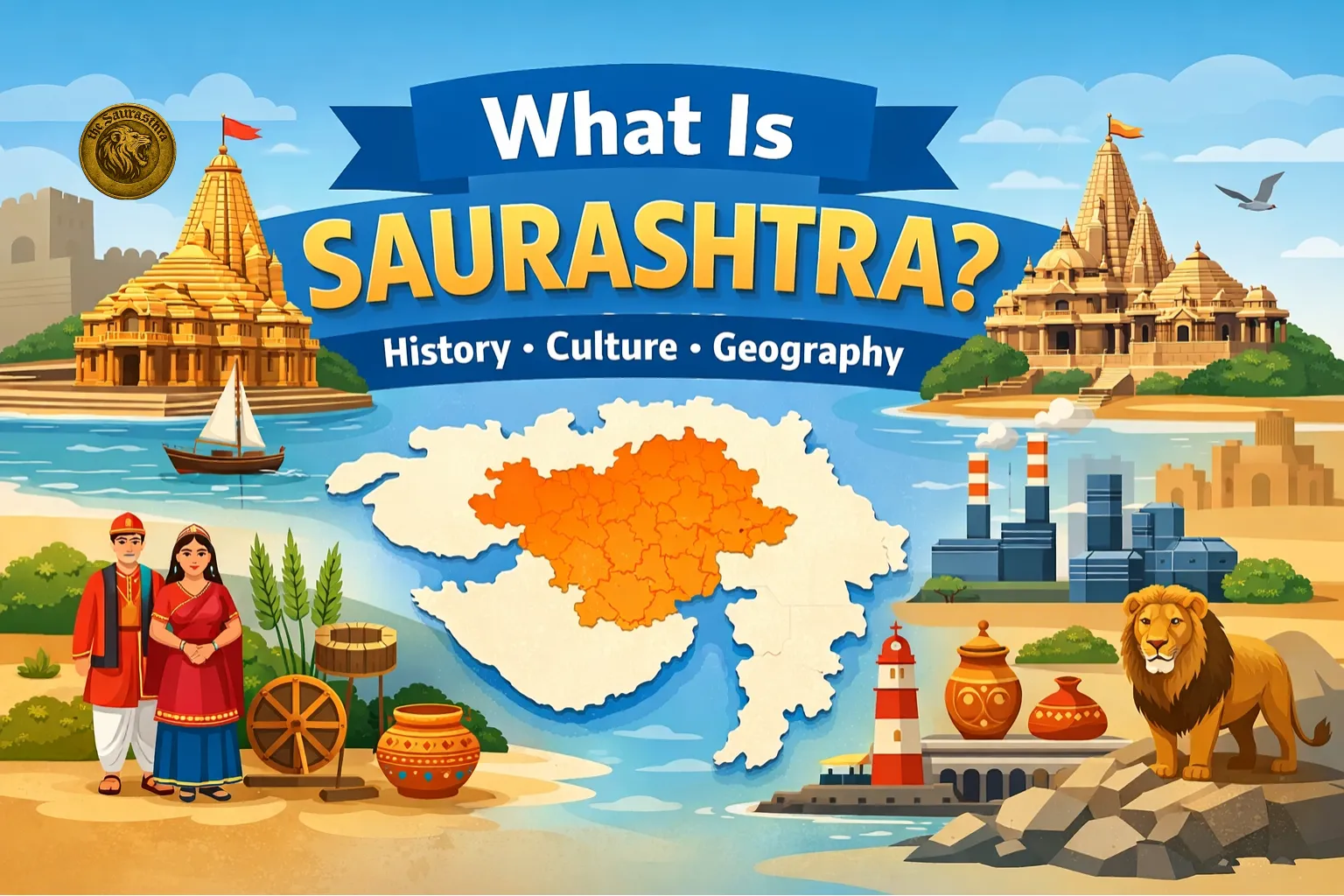
What is Saurashtra is a question many people ask when learning about the cultural and historical regions of India, especially Gujarat. Saurashtra is a well-known historical and geographical region located in the western part of India, forming a large part of the present-day state of Gujarat. It is also popularly called the Kathiawar Peninsula and is surrounded by the Arabian Sea on three sides, giving it a unique coastal identity.
Saurashtra is not just a geographical area but a region with a rich past, deep traditions, distinct language influences, and strong cultural values. From ancient kingdoms to modern cities, Saurashtra has played an important role in shaping India’s history, trade, spirituality, and social life.
What Is Saurashtra and Where Is It Located
To understand what is Saurashtra, it is important to know its location. Saurashtra lies in western India and covers the peninsula region of Gujarat. It is bordered by the Arabian Sea to the west and south, the Gulf of Kutch to the northwest, and the mainland of Gujarat to the east.
Major cities in the Saurashtra region include Rajkot, Jamnagar, Bhavnagar, Junagadh, Morbi, Porbandar, and Amreli. These cities act as cultural, economic, and administrative centers and reflect the region’s historical importance.
The region’s long coastline has helped Saurashtra develop strong connections with sea trade, fishing, and maritime activities since ancient times.
Historical Background of Saurashtra
When exploring what is Saurashtra, its long and fascinating history cannot be ignored. Saurashtra has been mentioned in ancient Indian texts, inscriptions, and foreign travel records. The region was known as Surashtra or Sorath in ancient times.
Ancient and Medieval Period
In ancient history, Saurashtra was ruled by several powerful dynasties, including the Mauryas, Guptas, Maitrakas, and later the Chalukyas. The Maitraka dynasty ruled from Vallabhi, which was once an important center of learning and trade.
During the medieval period, Saurashtra saw the rise of Rajput clans who established many princely states. These rulers built forts, palaces, temples, and stepwells that still stand as symbols of the region’s royal past.
Princely States Era
Before India’s independence, Saurashtra was divided into more than 200 princely states, making it one of the most politically diverse regions in the country. States like Junagadh, Bhavnagar, Gondal, Jamnagar, and Porbandar were ruled by local kings who maintained their own administrations.
After independence, these states were merged to form the Saurashtra State, which later became part of Gujarat in 1960.
Cultural Identity of Saurashtra
Understanding what is Saurashtra also means understanding its strong cultural identity. The people of Saurashtra are known for their hospitality, courage, and community values. The region has its own traditions, customs, and festivals that are celebrated with great enthusiasm.
Language and Dialect
Gujarati is the main language spoken in Saurashtra, but the local dialect known as Kathiawadi or Sorathi has its own charm. This dialect reflects the region’s rural roots and is commonly spoken in daily life, folk songs, and traditional storytelling.
Traditional Clothing and Lifestyle
Traditional attire in Saurashtra includes colorful ghagras, chaniya cholis, kediyus, and dhotis. Silver jewelry and embroidered designs are popular, especially during festivals and weddings.
The lifestyle in Saurashtra balances simplicity and tradition with modern influences, especially in urban areas.
Religious and Spiritual Importance of Saurashtra
One of the key aspects of what is Saurashtra is its spiritual significance. The region is home to many important religious sites that attract pilgrims from across India.
Hindu Pilgrimage Centers
Saurashtra includes sacred places like Somnath, one of the twelve Jyotirlingas of Lord Shiva. Dwarka, associated with Lord Krishna, is another major pilgrimage site located on the western coast of the region.
Porbandar, the birthplace of Mahatma Gandhi, also holds spiritual importance for followers of peace and non-violence.
Jain and Other Religious Sites
Saurashtra is also important for Jainism, with Palitana’s Shatrunjaya hills being one of the holiest Jain pilgrimage destinations in the world. The region also has mosques, churches, and dargahs, showing its religious diversity and harmony.
Geography and Climate of Saurashtra
To fully answer what is Saurashtra, its physical geography must be considered. The region has a mix of coastal plains, rocky terrain, hills, and dry zones.
Natural Features
The Gir Forest, located in Saurashtra, is world-famous as the only natural habitat of the Asiatic lion. The region also has rivers like Shetrunji, Bhadar, and Machchhu, which support agriculture and local ecosystems.
Climate Conditions
Saurashtra has a hot and dry climate for most of the year, with mild winters and a monsoon season that brings moderate rainfall. Coastal areas enjoy sea breezes, while inland regions can experience higher temperatures.
Economy and Occupations in Saurashtra
Another important part of understanding what is Saurashtra is its economic structure. The region has a diverse economy supported by agriculture, industries, ports, and trade.
Agriculture and Farming
Agriculture is a major occupation in Saurashtra. Crops like groundnut, cotton, millet, wheat, and pulses are widely grown. The region is especially famous for groundnut production.
Dairy farming is also significant, with many cooperative societies supporting rural livelihoods.
Industries and Trade
Saurashtra has strong industrial hubs in cities like Rajkot, Jamnagar, and Morbi. Jamnagar is known for its oil refineries, while Morbi is a major center for ceramic and tile manufacturing.
Ports such as Porbandar and Pipavav support export and import activities, contributing to regional growth.
Art, Music, and Folk Traditions
What is Saurashtra without its folk culture would be incomplete. The region has a rich tradition of folk music, dance, and storytelling.
Folk Music and Dance
Traditional forms like Bhavai, Raas, and Garba are deeply rooted in Saurashtra’s cultural life. Folk songs often tell stories of bravery, devotion, love, and everyday life.
Handicrafts and Art
Saurashtra is known for handicrafts such as bandhani textiles, embroidery, silver ornaments, pottery, and wood carving. These crafts reflect the creativity and skills passed down through generations.
Food and Cuisine of Saurashtra
Cuisine plays an important role in defining what is Saurashtra. The food of the region is simple, flavorful, and suited to its climate.
Popular dishes include rotla, khichdi, kadhi, bajra rotla, garlic chutney, and buttermilk. Many dishes are mildly spicy and focus on locally available grains and vegetables.
Sweet dishes like sukhdi and lapsi are common during festivals and special occasions.
Modern Development and Urban Growth
In modern times, Saurashtra has seen steady development in infrastructure, education, healthcare, and technology. Cities like Rajkot and Jamnagar have grown rapidly, offering better opportunities while still maintaining cultural roots.
Educational institutions, hospitals, and industrial parks have improved the quality of life across the region.
Read also: What is Saurashtra Called? A Historical and Cultural Exploration of a Timeless Region
Importance of Saurashtra in Gujarat and India
Finally, to truly understand what is Saurashtra, its importance in the larger context of Gujarat and India must be recognized. Saurashtra has contributed leaders, freedom fighters, traders, artists, and thinkers to the nation.
Mahatma Gandhi, one of the greatest leaders in world history, was born in Porbandar, Saurashtra. The region’s values of simplicity, resilience, and community spirit continue to inspire generations.
Read also: Saurashtra: History, Culture, Geography, and Life in Gujarat’s Proud Peninsula
Conclusion
What is Saurashtra is more than a simple geographical question. Saurashtra is a region rich in history, culture, spirituality, and economic strength. It represents a unique blend of tradition and progress, shaped by centuries of heritage and the resilience of its people.
From ancient temples and royal palaces to modern industries and vibrant cities, Saurashtra stands as an important and proud part of India’s cultural and historical landscape.