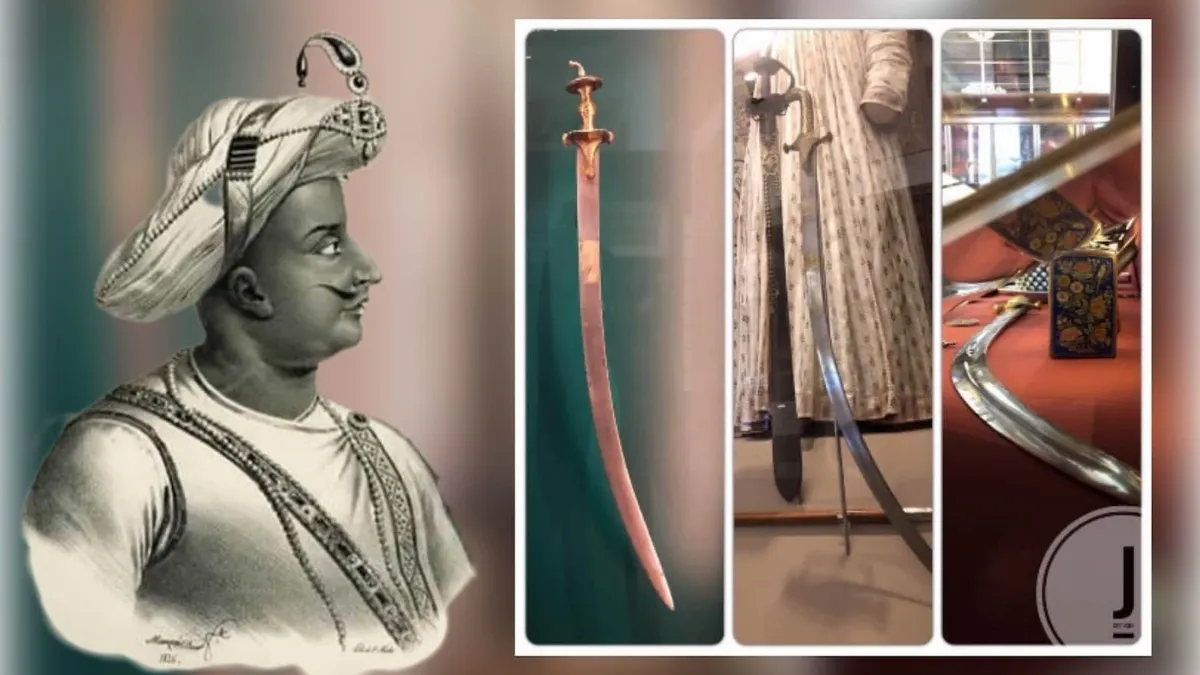
tipu sultan original photo british museum is a phrase that continues to spark curiosity, debate, and confusion among history enthusiasts, students, and casual readers alike. The idea that a camera might have captured the likeness of Tipu Sultan, the 18th-century ruler of Mysore, feels compelling in an age dominated by visual proof. But when examined through the lens of historical evidence, archival practices, and the timeline of photography itself, the story becomes far more complex and revealing.
Tipu Sultan, often remembered as the “Tiger of Mysore,” ruled from 1782 until his death in 1799. He was a formidable military strategist, a political reformer, and one of the earliest Indian rulers to resist British colonial expansion with sustained force. Because of his intense rivalry with the British East India Company, much of what survives about him today exists in British records, artworks, and museum collections. This is where the connection between Tipu Sultan and the British Museum often enters public discussion.
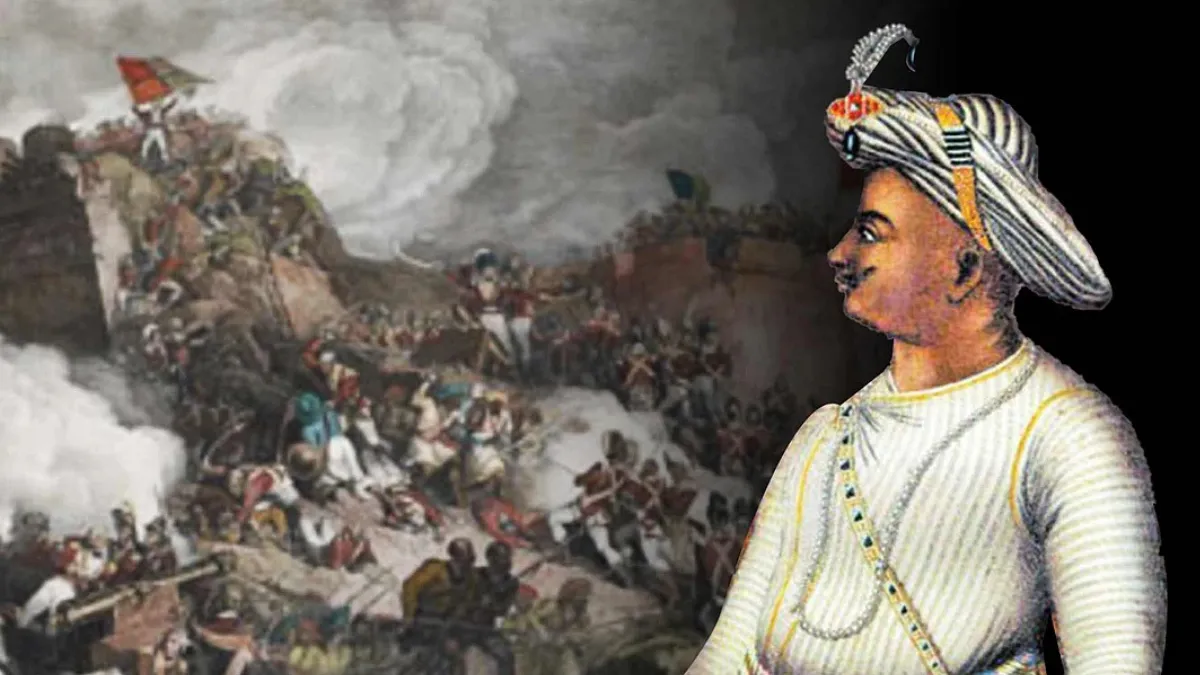
Understanding the Claim Around Tipu Sultan’s Photograph
The recurring claim behind tipu sultan original photo british museum usually suggests that the British Museum possesses an authentic photographic image of Tipu Sultan. This belief circulates widely on social media platforms, blogs, and video channels, often without context or historical verification. To understand why this claim persists, it is essential to look at two key elements: the development of photography and the nature of museum collections.
Photography, as a practical and reproducible technology, emerged in the early 19th century. The first permanent photograph was created in the 1820s, more than two decades after Tipu Sultan died during the Fourth Anglo-Mysore War. This chronological mismatch alone raises serious doubts about the existence of any original photograph of Tipu Sultan.
What the British Museum Actually Holds
The British Museum is one of the world’s largest repositories of historical artifacts, manuscripts, paintings, and prints. Its collections related to Tipu Sultan are significant and well documented. However, these items are not photographs in the modern sense.
Instead, the museum preserves:
- Painted portraits created by British and Indian artists
- Illustrated manuscripts from the Mysore court
- Weapons, coins, and personal objects associated with Tipu Sultan
- Artistic depictions produced after his death
These materials help historians reconstruct how Tipu Sultan may have looked, how he dressed, and how he was perceived by both allies and enemies. None of them qualify as a photographic image captured during his lifetime.
Tipu Sultan Original Photo British Museum as a Modern Myth
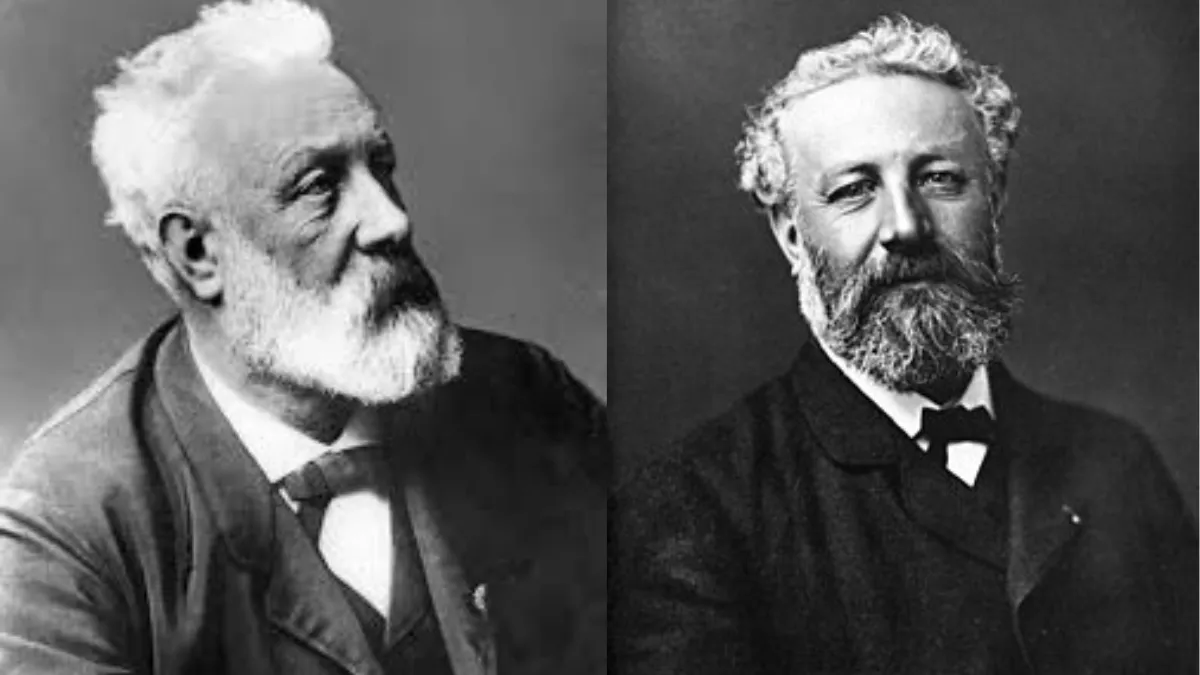
The persistence of the tipu sultan original photo british museum narrative reflects a broader pattern in digital culture. Old paintings and sketches are frequently mislabeled as “photos” to make them appear more authoritative or sensational. In Tipu Sultan’s case, some black-and-white reproductions of painted portraits resemble early photographs, especially when shared without captions or context.
Once such an image is linked to a respected institution like the British Museum, the claim gains further credibility in the public imagination, even when it lacks factual support.
Portraits vs. Photographs: Why the Difference Matters
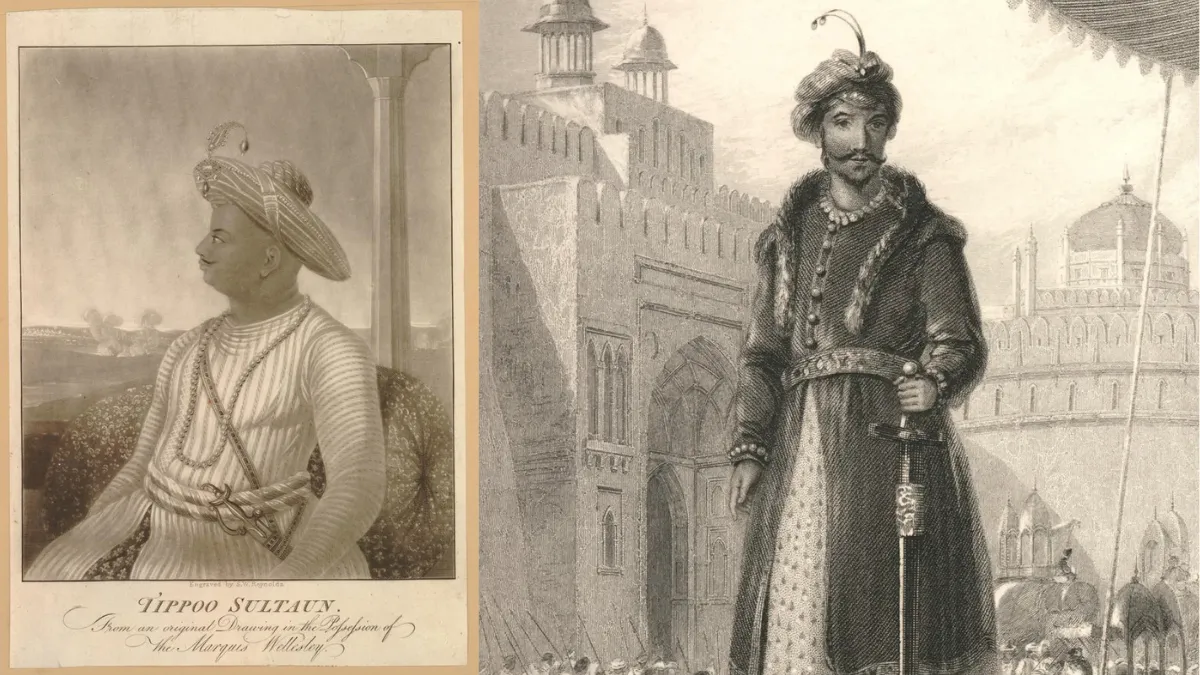
Understanding the distinction between a portrait and a photograph is essential when discussing historical figures like Tipu Sultan. Portraits are artistic interpretations shaped by the painter’s skill, intent, and cultural influences. They may emphasize certain traits—strength, authority, or dignity—while downplaying others.
Photographs, by contrast, capture a specific moment using mechanical and chemical processes. They are bound by time and technology. Since photography did not exist during Tipu Sultan’s life, any image attributed to him must fall into the category of illustration or painting.
Common Images Mistaken as Photographs
Several images are repeatedly circulated online under the label tipu sultan original photo british museum. These typically include:
- A stern-faced ruler wearing a turban and military attire
- Black-and-white reproductions of 18th-century paintings
- Engravings created for British publications after his death
While these visuals are historically interesting, they do not represent photographic evidence. Many were produced by artists who never met Tipu Sultan and relied on second-hand descriptions or political narratives.
Table: Facts vs. Claims About Tipu Sultan’s Image
| Aspect | Verified Historical Fact | Common Public Claim |
|---|---|---|
| Lifetime of Tipu Sultan | 1751–1799 | Sometimes linked to 19th-century photography |
| Invention of Photography | Early 1820s | Ignored in viral claims |
| British Museum Holdings | Paintings, artifacts, manuscripts | Believed to hold an original photo |
| Nature of Existing Images | Artistic representations | Misidentified as photographs |
| Scholarly Consensus | No authentic photo exists | Claims remain unverified |
Why the British Museum Is Often Mentioned
The British Museum’s global reputation makes it a frequent reference point in historical debates. Because many of Tipu Sultan’s belongings were taken to Britain after his death, people assume that all surviving materials—including supposed photographs—must be housed there.
In reality, museum catalogs are meticulous. If a genuine photograph of Tipu Sultan existed, it would be one of the most significant visual discoveries in South Asian history and would be widely acknowledged by historians worldwide.
The Emotional Pull Behind the Search
The desire to find a real image behind tipu sultan original photo british museum is understandable. Visual representations create a powerful emotional connection to the past. Seeing a face makes history feel immediate and personal.
For figures like Tipu Sultan, whose legacy is politically and culturally significant, the urge to humanize him through a photograph is even stronger. However, historical accuracy requires resisting appealing myths in favor of documented evidence.
How Historians Reconstruct Tipu Sultan’s Appearance
In the absence of photographs, historians rely on multiple sources:
- Contemporary paintings from the Mysore court
- British military sketches and engravings
- Written descriptions by allies and adversaries
- Surviving clothing, armor, and personal items
By cross-referencing these materials, scholars develop a reasonably consistent understanding of Tipu Sultan’s appearance without claiming photographic certainty.
Read also: Tourism in Norway: Exploring One of the World’s Most Captivating Nordic Destinations
The Responsible Way to View Viral Images
When encountering images labeled as tipu sultan original photo british museum, readers should pause and consider the source. Questions worth asking include:
- Does the image come from an official museum catalog?
- Is there a date associated with the image’s creation?
- Is it described as a painting, engraving, or photograph?
Critical thinking helps prevent the spread of historical misinformation, especially in an era where visuals travel faster than facts.
Read also: The British Museum: A Living Archive of Human Civilization
Conclusion: Separating Legacy From Legend
The enduring fascination with tipu sultan original photo british museum reveals more about modern engagement with history than about the 18th century itself. While no authentic photograph of Tipu Sultan exists, the wealth of artistic and material evidence preserved in museums continues to illuminate his life, leadership, and resistance against colonial power.
Rather than diminishing his legacy, acknowledging the truth strengthens it. Tipu Sultan does not need a photograph to prove his place in history. His impact is firmly recorded in battles fought, reforms attempted, and the enduring memory of a ruler who challenged an empire long before the age of cameras.
Disclaimer:
The information presented in this article has been compiled from various online sources. While every effort has been made to ensure accuracy, The Saurashtra does not guarantee the completeness, reliability, or absolute correctness of the information. The content is published solely for general informational purposes and should not be considered as definitive or authoritative. Readers are advised to independently verify details before relying on them.