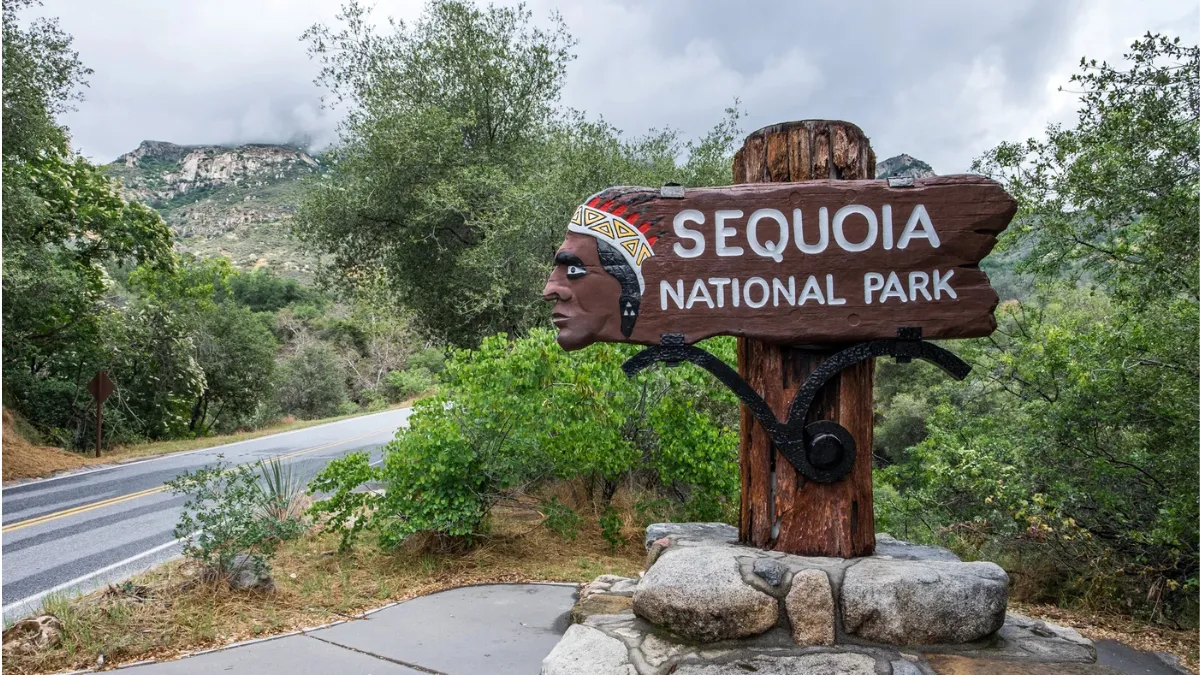
Nestled in the southern Sierra Nevada Mountains of California, Sequoia National Park is a world unlike any other—a land of ancient giants, soaring peaks, and timeless natural beauty. Home to some of the largest and oldest trees on Earth, this park is a living museum of nature’s power and patience. For travelers seeking peace, adventure, and a brush with Earth’s grandeur, Sequoia National Park stands as one of America’s greatest treasures.
About Sequoia National Park
Established on September 25, 1890, Sequoia National Park was America’s second national park, created to protect its magnificent groves of giant sequoia trees. Covering more than 404,000 acres (1,635 km), the park’s landscape stretches from rolling foothills at 1,300 feet to the lofty summit of Mount Whitney, which at 14,494 feet is the highest point in the contiguous United States.
The park, managed jointly with Kings Canyon National Park, offers an incredible mix of terrains—dense forests, alpine meadows, deep canyons, marble caverns, and crystal-clear rivers. Together, they form one of the most biologically diverse protected areas in North America.
Quick Facts: Sequoia National Park Overview
| Aspect | Details |
|---|---|
| Location | Tulare County, California, USA |
| Established | September 25, 1890 |
| Area | 404,064 acres (1,635 km²) |
| Elevation Range | 1,300 ft – 14,494 ft (Mount Whitney) |
| Famous For | Giant sequoia trees, especially the General Sherman Tree |
| Best Time to Visit | June to October |
| Nearest City | Visalia, California |
| Entry Fee | $35 per vehicle (valid for 7 days) |
| Managed By | U.S. National Park Service |
History and Legacy of Sequoia National Park
Long before becoming a national park, this region was home to Native American tribes like the Monache and Yokuts, who lived in harmony with the towering trees and wild rivers. When European settlers arrived, logging began threatening the sequoia forests—trees that had survived thousands of years were felled within days.
Recognizing the urgent need for protection, conservationists helped establish Sequoia National Park in 1890, just one week before Yosemite National Park. It marked one of America’s earliest steps toward preserving nature for future generations, setting the stage for the modern conservation movement.
Top Attractions in Sequoia National Park
1. The General Sherman Tree – The Largest Tree on Earth
The crown jewel of the park, the General Sherman Tree, is the world’s largest living tree by volume. Standing at 275 feet tall with a base diameter of 36 feet, it weighs an estimated 2.7 million pounds and is about 2,200 years old. Visiting this natural monument feels like stepping into another era—one where nature reigns supreme.
A short, paved trail leads visitors from the parking area to the tree, offering interpretive signs that share fascinating facts about these ancient giants.
2. The Giant Forest – Home of the Giants
The Giant Forest is one of the park’s most magical areas, containing five of the ten largest trees on Earth. Walking among these ancient red giants, some standing since before the Roman Empire, is a humbling experience. Don’t miss the Congress Trail, a scenic 2-mile loop that winds through some of the most iconic groves.
Naturalist John Muir once called this place “a temple built by the hand of God,” and when you stand in its silent majesty, it’s easy to see why.
3. Moro Rock – A View You’ll Never Forget
Rising above the forest canopy, Moro Rock is a massive granite dome offering panoramic views of the Sierra Nevada Mountains. A steep, 350-step stone staircase takes visitors to the top—rewarding them with a 360-degree view that’s particularly breathtaking at sunrise or sunset. On clear days, you can even glimpse the Great Western Divide in the distance.
4. Crescent Meadow – The Gem of the Sierra
Known as the “Gem of the Sierra”, Crescent Meadow is a lush green oasis surrounded by towering sequoias. The meadow bursts with wildflowers in spring and becomes a golden sea of grass in summer. It’s an ideal spot for picnicking, gentle hiking, and wildlife watching, with deer often grazing peacefully nearby.
5. Crystal Cave – Nature’s Underground Wonder
Beneath the forest floor lies a hidden world of marble and mystery—Crystal Cave. This magnificent cavern is adorned with delicate stalactites, stalagmites, and flowstone formations that glisten under guided lights. The cave is open seasonally (usually May to September), and guided tours offer an incredible glimpse into the park’s subterranean beauty.
Wildlife and Nature in Sequoia National Park
Sequoia’s ecosystems range from oak woodlands to alpine tundra, supporting a remarkable variety of wildlife. The park is home to:
- Black bears (often spotted near meadows and campgrounds)
- Mule deer grazing near forest edges
- Mountain lions and bobcats (rarely seen but vital to the ecosystem)
- Over 200 bird species, including the Steller’s jay and mountain bluebird
In spring, wildflowers like lupine and Indian paintbrush blanket the meadows. In winter, snow transforms the park into a peaceful wonderland—perfect for snowshoeing, cross-country skiing, and quiet reflection.
Best Time to Visit Sequoia National Park
The ideal time to visit is between June and October, when the weather is mild, the roads are clear, and most trails are open. During this season, you can fully enjoy the park’s scenic drives, hikes, and campgrounds.
- Summer (June–August): Warm days, perfect for hiking and sightseeing.
- Autumn (September–October): Cooler air, fewer crowds, and stunning fall colors.
- Winter (November–March): Snow-covered landscapes ideal for peaceful solitude.
- Spring (April–May): Waterfalls at their peak and meadows bursting with flowers.
If you visit in winter, be prepared for road closures and snow chain requirements—especially along the Generals Highway.
Essential Travel Tips for Visiting Sequoia National Park
- Download Maps in Advance: Cell service is extremely limited inside the park.
- Dress in Layers: Temperatures can vary by 40°F between the foothills and mountain peaks.
- Stay Hydrated: The dry mountain air can dehydrate you faster than you expect.
- Respect Wildlife: Keep your distance and store food in bear-proof containers.
- Arrive Early: Mornings and evenings offer fewer crowds and magical lighting for photos.
- Pack Essentials: Sunscreen, hat, water, and sturdy hiking shoes are a must.
- Leave No Trace: Help preserve the park’s fragile ecosystems for future generations.
Nearby Attractions to Explore
Combine your visit with nearby natural and cultural gems for a well-rounded California adventure:
- Kings Canyon National Park: Directly north of Sequoia, featuring dramatic valleys and high-altitude trails.
- Yosemite National Park: About a four-hour drive away, world-famous for its waterfalls and granite cliffs.
- Visalia: The nearest city, offering cozy lodging, restaurants, and local charm.
- Lake Kaweah: A peaceful spot for boating, fishing, and picnicking on your way to the park.
Outdoor Activities in Sequoia National Park
Whether you’re an adventurer or a nature lover, Sequoia offers countless outdoor activities:
- Hiking: Trails like the Congress Trail, Tokopah Falls Trail, and High Sierra Trail suit all levels.
- Camping: From Lodgepole Campground to remote backcountry sites, camping brings you close to nature.
- Photography: Capture morning light filtering through redwoods or the star-filled night sky.
- Stargazing: Thanks to minimal light pollution, the park offers dazzling views of the Milky Way.
- Wildlife Watching: Early mornings and late evenings are best for spotting animals in their natural habitats.
Also read: Redwood National Park: The Ultimate Travel Guide to California’s Ancient Giants
Why Sequoia National Park Should Be on Your Bucket List
Few places on Earth inspire the kind of awe and humility that Sequoia National Park does. To stand beside a tree that’s thousands of years old—older than most civilizations—is to witness time itself. The crisp mountain air, the scent of pine, and the rustle of leaves in the giant forest combine to create a deeply spiritual connection with nature.
Here, every moment feels like a gift. Whether you’re gazing up at the General Sherman Tree, climbing Moro Rock, or simply walking a forest trail, Sequoia reminds us how small we are in the grand story of the planet—and how vital it is to protect it.
Also read: Bat Appreciation Week 2025: Celebrating the Unsung Heroes of the Night
Conclusion: The Eternal Magic of Sequoia National Park
In the heart of California, Sequoia National Park stands as a living sanctuary of history, nature, and wonder. It’s not just a park—it’s a journey through time. From ancient trees that touch the clouds to crystal caves hidden beneath your feet, every corner whispers the story of Earth’s wild beauty.
Whether you visit for a weekend escape or a week-long adventure, the memories you make here will stay with you forever. Because in Sequoia, nature doesn’t just surround you—it transforms you.