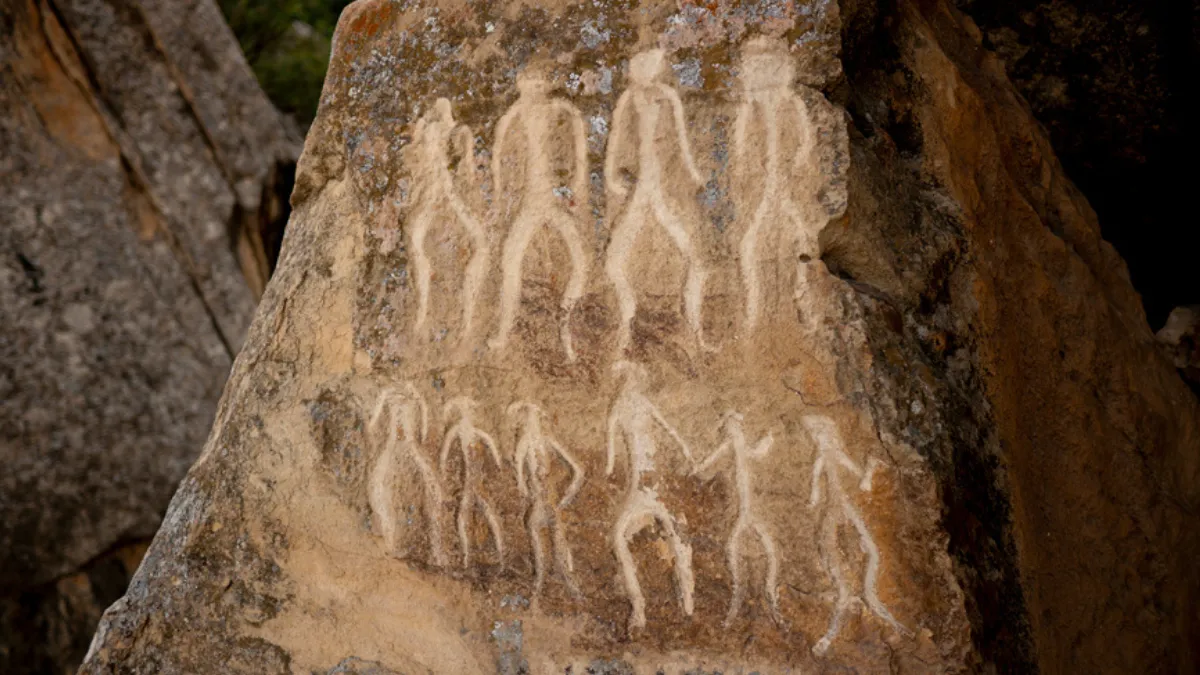
Rock carvings UNESCO sites represent some of the most profound and enduring forms of human expression. The first line of this article begins by acknowledging that Rock carvings UNESCO locations allow us to understand ancient societies through symbols, figures, and scenes preserved for thousands of years. These open-air archives stretch across continents and eras, offering a rare opportunity to witness creativity, spirituality, and daily life as understood by early civilizations. From the Arctic Circle to the African savannas and the mountains of South Asia, these sites illustrate humanity’s shared desire to communicate and record experiences long before the invention of writing.
The significance of rock carvings lies not only in their age but also in their diversity. Each UNESCO-recognized site reflects a specific cultural environment, yet together they form a global narrative. These carvings help researchers trace the evolution of belief systems, economic activities, migration patterns, and artistic traditions. For travelers, they offer a journey into the origins of symbolic thought and creativity. For historians and archaeologists, they provide context for understanding the earliest stages of societal development. As we explore these sites more closely, it becomes clear why Rock carvings UNESCO locations occupy a special place in the world’s heritage.
Understanding Rock Carvings in the Context of UNESCO Recognition
UNESCO designates certain rock art sites because of their outstanding universal value. Many of these carvings date back thousands of years, depicting humans, animals, celestial scenes, rituals, and patterns that convey deep cultural meaning. The craftsmanship varies—some figures are abstract, others detailed and realistic. Yet all are bound by the same essence: the desire to communicate something important.
Rock carvings emerged at different points in time depending on the region. Some appeared during the Upper Paleolithic period, while others were created in the Bronze Age or later. UNESCO recognition ensures these carvings are studied, preserved, and protected from natural erosion, vandalism, and industrial development.
One of the key reasons Rock carvings UNESCO sites are crucial is because they provide rare evidence of intangible cultural traditions. Many societies that produced rock art did not leave behind written records. Their stories and beliefs survive primarily through drawings and symbols on stone surfaces. These carvings act as historical witnesses, providing a portal into lost worlds and ancient identities.
Global Diversity of Rock Carvings UNESCO Sites
Rock carvings appear in many regions, each with its unique artistic style and meaning. Scholars often categorize them based on their motifs, such as hunting scenes, animal depictions, geometric signs, and human rituals. Despite geographical distances, certain themes appear consistently across continents, suggesting shared aspects of early human experience.
For example, reindeer, elk, and whale carvings appear in Arctic regions, reflecting a dependence on cold-climate wildlife. In Africa, carvings of cattle and wild animals reveal the importance of herding and hunting. In Asia, representations of chariots, celestial symbols, and agricultural scenes demonstrate cultural and technological evolution.
UNESCO’s protected sites include thousands of individual carvings displayed across rocky landscapes, cliff walls, and exposed plateaus. These places are often located far from modern settlements, emphasizing the ancient roots of human occupation and exploration.
A Closer Look at Key Rock Carvings UNESCO Locations
Below is a table providing an overview of some globally recognized UNESCO sites featuring significant rock carvings. This table is intended to help readers understand their importance at a glance.
| UNESCO Site Name | Country | Estimated Age | Key Features | Cultural Significance |
|---|---|---|---|---|
| Alta Rock Carvings | Norway | 4200–500 BCE | Reindeer, boats, hunting scenes | Offers insight into Arctic hunter-gatherer life |
| Bhimbetka Rock Shelters | India | Over 10,000 years | Human figures, animals, geometric patterns | One of the earliest records of human settlement in South Asia |
| Twyfelfontein | Namibia | 2000–6000 years | Animals, footprints, ritual symbols | Reflects spiritual traditions of early African hunter-gatherers |
| Tamgaly Petroglyphs | Kazakhstan | Bronze Age | Sun-headed deities, chariots | Shows Central Asian ritual and mythological traditions |
| Chongoni Rock Art Area | Malawi | 2000+ years | Agriculture scenes, initiation symbols | Highlights the transition from hunter-gatherer to farming societies |
These examples represent only a fraction of Rock carvings UNESCO sites worldwide. Each of them contributes unique information that enriches our understanding of ancient cultural landscapes.
Artistic Techniques Behind Rock Carvings
Rock carvings were created using tools such as stone hammers, chisels, and sharpened objects. Early artists used pecking, scraping, incising, or polishing to shape symbols into stone. The durability of these materials ensures their survival across millennia, although many remain vulnerable to erosion.
Some carvings are deep and bold, making their shapes and outlines clearly visible. Others are faint, suggesting they may have been ceremonial or restricted to certain members of the community. Techniques varied based on the hardness of the rock and the purpose of the artwork.
Rock carvings are often accompanied by rock paintings in many locations, though only carvings are discussed here. The combination of both in some areas shows a sophisticated artistic tradition with long-lasting influence.
Cultural Interpretations of Rock Carvings UNESCO Sites
Interpreting ancient carvings requires careful study. Many carvings likely served multiple purposes—ritualistic, educational, communicative, or decorative. For hunter-gatherer groups, depictions of animals may have been tied to spiritual beliefs or hunting practices. For early agricultural societies, carvings might reflect a shift toward settled life and organized communities.
Some rock carvings are believed to represent mythological figures or cosmological beliefs. Others may be records of seasonal migrations, trade routes, or community events. While not all meanings are fully understood, modern researchers rely on ethnographic studies, oral traditions, and comparative archaeology to decode their symbolism.
The global presence of Rock carvings UNESCO sites demonstrates that symbolic expression was not confined to one region or culture. It was a universal aspect of early human development.
Importance of Preserving Rock Carvings
Preserving rock carvings is essential for protecting cultural memory. Many carvings are exposed to harsh weather, climate change, and human interference. UNESCO-listed areas receive legal protections, monitoring, and conservation efforts to prevent further damage.
Preservation includes creating replicas for study and display, limiting visitor access to sensitive areas, and establishing research programs. These efforts ensure that future generations can continue studying and appreciating these ancient expressions of humanity.
Rock carvings also generate cultural pride among local communities. They provide opportunities for sustainable tourism, archaeology, and educational programs that encourage respect for ancient traditions.
Rock Carvings UNESCO as a Window Into Human Evolution
Rock carvings are much more than artistic artefacts. They show the evolution of human cognition—our ability to plan, symbolize, and communicate complex ideas. The presence of similar symbols in distant regions points to shared patterns of thought despite geographical isolation.
These carvings document the earliest known attempts to depict identity, environment, and belief. They show how humans adapted to their surroundings, formed communities, and developed rituals that shaped their societies.
As archaeological research advances, new discoveries continue to reshape our understanding of rock art. Scientific techniques such as laser scanning and pigment analysis help reveal hidden details.
Cultural Legacy of Rock carvings UNESCO Sites in the Modern World
Rock carvings UNESCO locations carry a cultural legacy that remains relevant today. They influence indigenous communities, travelers, researchers, and policymakers. For many locals, these carvings are sacred reminders of ancestral presence. For tourists, they offer an immersive journey into ancient history. For scholars, they serve as essential primary sources.
Their preservation helps promote cross-cultural dialogue, emphasizing humanity’s shared heritage. Whether carved in the Arctic tundra or African hillsides, these symbols remind us of the creativity that binds human societies across thousands of years.
Tourism and Responsible Exploration
Tourism plays a significant role in sustaining UNESCO sites. However, responsible travel is essential. Visitors are encouraged to follow established paths, avoid touching carvings, and respect local guidelines.
Interpretive centers, guided tours, and educational markers help visitors understand the carvings’ significance without causing harm. Responsible tourism ensures that the beauty and importance of these sites remain undiminished.
Rock carvings UNESCO sites often lie within national parks or protected reserves, providing scenic landscapes for exploration. Travelers can combine cultural learning with natural beauty, making these destinations meaningful and memorable.
Scientific Contributions and Future Research
Scientific research continues to uncover new information about ancient populations through Rock carvings UNESCO sites. The carvings provide data on climate patterns, wildlife distribution, migration habits, and cultural development.
Future research may reveal more about the methods used to create carvings, their chronological placement, and their symbolic meanings. Advanced technologies such as digital mapping and 3D modeling allow for detailed documentation without damaging the sites.
Global collaboration among archaeologists ensures that interpretations become more accurate and culturally sensitive. As a result, rock carvings remain a dynamic field of study that contributes to historical knowledge on multiple levels.
Also read: North Cape (Norway): A Journey to the Edge of the European Continent
Conclusion
Rock carvings UNESCO sites stand as lasting monuments to human expression, ingenuity, and connection to the natural world. Their global distribution shows how ancient societies sought to record experiences, convey beliefs, and communicate through enduring symbols carved into stone. These sites reveal the early stages of artistic development, spiritual traditions, and social organization, offering a window into the past that remains relevant today.
As we protect and study these carvings, we preserve not just art but the essence of ancient humanity. Their significance extends far beyond archaeology; they shape modern understanding of identity, culture, and continuity. Through conservation and responsible engagement, we ensure that the stories etched into stone remain vibrant chapters of our shared human heritage.
This exploration of Rock carvings UNESCO locations highlights their timeless legacy, cultural richness, and essential value as one of the world’s most remarkable forms of expression.