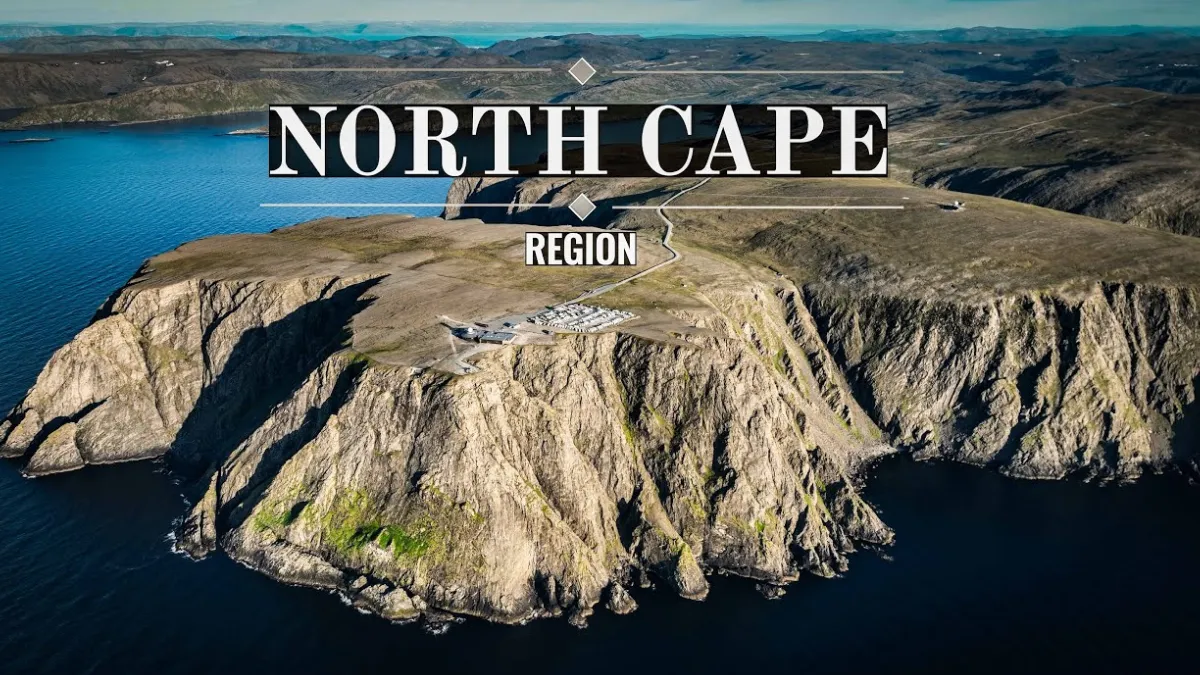
North Cape (Norway) has long been celebrated as one of the most dramatic and symbolic destinations in northern Europe, attracting travelers who seek the feeling of standing at the edge of the continent. Rising nearly 300 meters above the Arctic Ocean, this rugged headland offers sweeping panoramas, extreme weather conditions, and a profound sense of isolation that defines the essence of the Arctic Circle. For many visitors, the first glimpse of its massive cliff face marks the beginning of an unforgettable adventure.
Located on the island of Magerøya in Norway’s Finnmark region, the cape has evolved from a remote landmark reached only by explorers and fishermen into a well-connected travel destination that welcomes visitors from across the world. Despite its accessibility today, the environment retains a pristine and untouched character. Strong winds, vast tundra, midnight sun, and polar nights shape its identity, creating an atmosphere that is both harsh and captivating. The experience of traveling to the northernmost accessible point of mainland Europe remains a thrilling pursuit for adventurers, photographers, and cultural enthusiasts alike.
The Geography and Significance of North Cape (Norway)
The location of North Cape (Norway) gives it a unique place in European geography. Many consider it the symbolic northern tip of continental Europe, though technically, the nearby Knivskjellodden peninsula extends slightly farther north. Still, North Cape has become the cultural and touristic icon, largely because of its towering cliffs and the dramatic encounter between land and sea.
Positioned at 71 degrees north, it lies deep within the Arctic Circle, making it one of the most accessible high-latitude destinations in the world. The region surrounding the cape consists of vast plateaus, rocky coastlines, and scattered settlements that maintain traditional Arctic lifestyles. The island itself is connected to the mainland by the North Cape Tunnel, one of the longest subsea road tunnels globally, which allows year-round access except in severe weather.
The remoteness of this northern landscape is central to its appeal. Travelers often describe the sensation of arriving at the cape as a moment of introspection, standing before the open ocean where the next landmass is the frozen territory of Svalbard. The combination of natural beauty, geographic symbolism, and climatic extremes has made the cape a definitive Arctic landmark.
Climate Patterns and Natural Phenomena
Weather at North Cape (Norway) is unpredictable, shaped by cold ocean currents, Arctic winds, and high-latitude conditions. While summers bring milder temperatures and stunning visibility, winters are dominated by snowstorms, icy roads, and deep darkness. These contrasts define the experience of visiting throughout the year.
One of the most remarkable natural spectacles is the midnight sun, which lasts from mid-May to late July. During this time, the sun remains above the horizon for 24 hours, bathing the plateau in an unbroken golden glow. Visitors can stand at the cape in what feels like a perpetual sunset, casting long shadows and illuminating the Arctic waters in warm tones. Many travelers time their visit specifically to witness this natural wonder.
Conversely, the winter months bring polar nights, when the sun does not rise for weeks. Although the landscape remains immersed in darkness, the sky often glows with shades of blue, violet, and gray. Northern lights frequently dance across the horizon during this season, turning the cape into a prime location for aurora viewing.
Reaching the Cape: Roads, Tunnels, and Travel Challenges
The journey to North Cape (Norway) is as memorable as the destination itself. Most travelers access the area via the E69 highway, which winds across Magerøya through mountain passes and frozen plains. The North Cape Tunnel, stretching more than seven kilometers and sinking deep below sea level, is a significant engineering achievement that connects the island to the mainland.
Winter travel requires readiness. Snowplows operate constantly, and convoys may be formed when weather conditions deteriorate. Authorities often regulate passage to ensure safety, especially during blizzards. Summer, by contrast, offers smoother travel, and the roads remain open for long hours under the midnight sun.
Cruise ships also frequently visit the region, docking at the nearby port of Honningsvåg. From there, buses ferry passengers to the cliff’s edge. Hiking options exist too, though they require stamina and experience due to rugged terrain and quickly shifting weather.
History and Cultural Importance
The cultural story of North Cape (Norway) dates back centuries. The first recorded visitor arrived in the 16th century when the English explorer Richard Chancellor named the landmark. Over time, the cape became a reference point for sailors navigating the treacherous Arctic waters.
Indigenous Sámi communities have long inhabited the surrounding areas, relying on fishing, herding, and crafting. Their cultural imprint is visible today in local museums, artwork, and traditional practices that reflect a deep connection to the Arctic environment.
By the 19th and 20th centuries, the cape had transformed into a symbol of exploration. Travelers from around the world made the journey as a personal milestone, sometimes writing their names in books stored in small huts along the cliffs. Today, the modern visitor center stands as a testament to its historical and cultural evolution.
Attractions and Experiences at the Cape
The visitor center at North Cape (Norway) is built directly into the cliff, blending seamlessly with the surrounding rock formations. Inside, it offers exhibitions on Arctic history, geology, and cultural heritage. A panoramic cinema showcases the changing seasons of the region, providing a vivid look at the environment’s extremes.
Outside, the iconic Globe Monument stands as the symbol of the cape, marking the northern edge for countless photographs. Nearby benches and pathways allow visitors to explore viewpoints along the plateau. On clear days, the horizon stretches endlessly, and seabirds soar above the waves crashing against the cliffs.
During winter, guided snowmobile tours and aurora-viewing excursions are common. Summer brings hiking routes, birdwatching opportunities, and road trips across the island’s fishing villages. The combination of seasonal experiences makes the cape a destination worth exploring more than once.
Mystique and Adventure Surrounding North Cape (Norway)
The sense of adventure associated with North Cape (Norway) has grown over the years as more travelers seek unique and immersive experiences. The cliff’s stark surroundings, shaped by Arctic forces, contribute to its reputation as a place where nature commands full attention. Standing there, many visitors feel the pull of history, geography, and human curiosity blending together in a single moment.
Artists, photographers, writers, and explorers often describe the cape as a meeting point between the known and the unknown. The shifting colors of the sky, the sweeping winds, and the raw silence shape a distinct atmosphere. Whether approached through icy roads or under endless sunlight, the journey becomes a reflection of the landscape’s timeless character.
Seasonal Travel Guide
The best time to visit depends entirely on the type of experience a traveler seeks:
- Summer (June to August): Ideal for sightseeing, comfortable weather, and midnight sun. Roads remain fully accessible.
- Autumn (September to October): Offers beautiful colors and increasing aurora activity.
- Winter (November to March): Perfect for northern lights, snow-covered landscapes, and a more dramatic Arctic experience.
- Spring (April to May): Transition period with melting snow and longer days.
Each season reveals a different facet of the cape, making it a year-round destination for those intrigued by the extremes of nature.
Simple Informative Table
| Category | Details |
|---|---|
| Location | Magerøya Island, Finnmark region, Norway |
| Latitude | Approximately 71° North |
| Best Time to Visit | June–August for midnight sun; November–March for northern lights |
| Key Attraction | Globe Monument and cliff viewpoint |
| Accessibility | Via E69 Highway, buses from Honningsvåg, or cruise ship excursions |
| Popular Activities | Sightseeing, photography, hiking, aurora viewing, cultural tours |
Local Culture and the Arctic Identity
Life in the region surrounding North Cape (Norway) reflects the resilience of Arctic communities. Fishing remains the backbone of local economies, with cod, king crab, and other cold-water species supporting livelihoods for generations. The towns and villages on Magerøya display small wooden houses, harborfront docks, and cultural traditions rooted in the sea.
Sámi heritage enriches the cultural landscape. Traditional reindeer herding, handicrafts, and storytelling play an essential role in preserving their identity. Visitors often encounter local markets, performances, and exhibitions showcasing these traditions. Respect for nature, seasonality, and the delicate Arctic ecosystem defines the daily rhythm of life here.
Also read: Rockefeller Center: The Beating Heart of New York City’s Culture and History
The Cape in Modern Tourism
Today, North Cape (Norway) stands as one of the most visited Arctic destinations in Europe. Modern infrastructure ensures year-round access while preserving the rugged, open character that makes the journey memorable. Sustainable tourism initiatives aim to protect wildlife, reduce environmental impact, and support local communities.
Many travelers combine their visit with broader tours across northern Norway, including Tromsø, Alta, and the Lofoten Islands. The cape often marks the symbolic culmination of these journeys, offering a dramatic finale to an exploration of the Arctic.
Also read: Brooklyn Bridge: A Historic Symbol of Innovation and Connection in New York City
The Enduring Legacy of Standing at the Edge
The enduring appeal of North Cape (Norway) lies in its ability to evoke powerful emotions. Travelers arrive expecting a viewpoint, but many leave with something more profound: a memory formed from the interplay of vast landscapes, historical echoes, and the sensation of standing at a boundary shaped by nature.
Whether illuminated by the midnight sun or shrouded in polar night, the cliff instills a sense of connection to the broader world. It reminds visitors of the extremes of geography, the resilience of Arctic cultures, and the timelessness of the northern seas. Each experience at the cape becomes a personal story, shaped by the unique conditions of the moment and the journey taken to reach this iconic point.
In every season, North Cape (Norway) remains one of the most remarkable destinations for those seeking an authentic encounter with the far north. It represents more than a geographical marker; it embodies the beauty, solitude, and mystery of the Arctic, leaving a lasting impression on anyone who makes the journey.