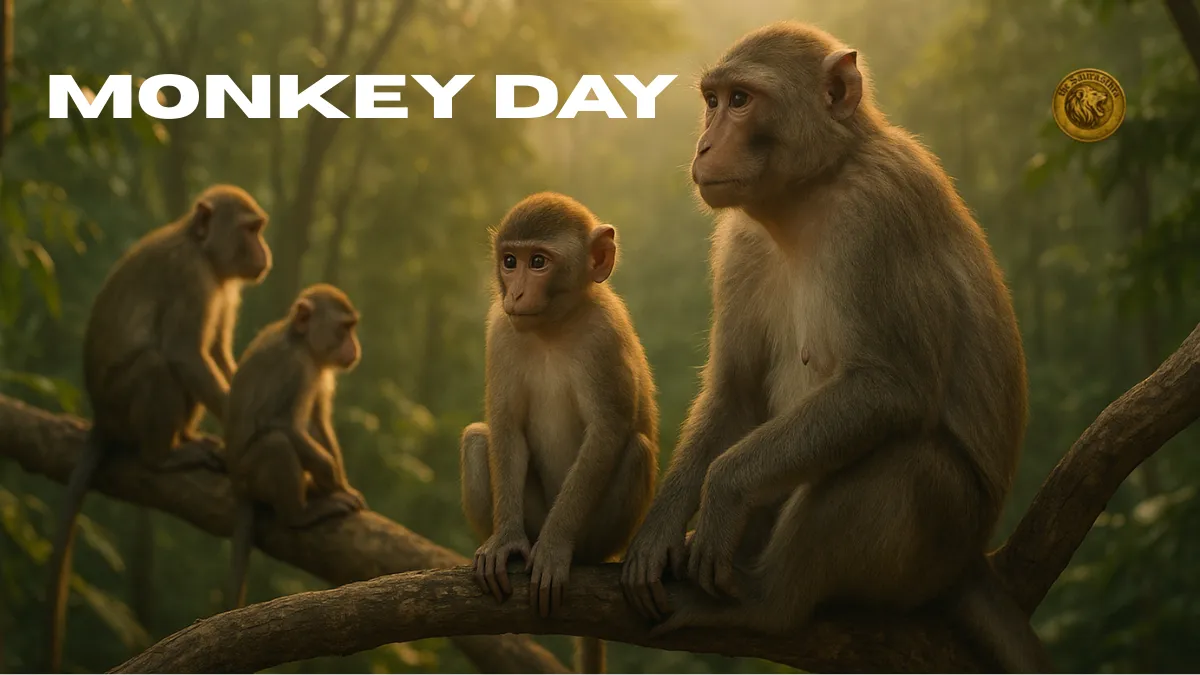
Monkey Day? is a question many people encounter each year in mid-December, often sparking curiosity about its origin, meaning, and growing global relevance. What began as a lighthearted observance has evolved into a day that blends education, conservation awareness, popular culture, and admiration for one of the most intelligent and adaptable animal groups on Earth. Monkeys have shared landscapes, myths, and histories with humans for thousands of years, and this annual occasion offers an opportunity to reflect on that unique relationship.
The Origin and Meaning of Monkey Day?
The story behind Monkey Day? is surprisingly informal. The observance originated in the early 2000s when a group of students and artists began marking December 14 as a day dedicated to monkeys and other primates. Over time, the idea spread beyond classrooms and art circles, gaining attention from animal lovers, conservationists, and cultural commentators. Without being tied to any official institution, the day grew organically, largely through word of mouth, creative expression, and online communities.
Unlike many globally recognized observances, Monkey Day? does not focus on ceremony or formal rituals. Its appeal lies in its simplicity. It invites people to pause and acknowledge monkeys not just as entertaining animals, but as complex beings with social structures, emotions, and ecological importance.
Why Monkeys Matter to the Natural World
Monkeys play a critical role in maintaining healthy ecosystems. Many species are seed dispersers, helping forests regenerate by spreading seeds across wide areas. Their foraging habits influence plant diversity, and their presence often indicates the overall health of an ecosystem.
Scientifically, monkeys have contributed significantly to our understanding of behavior, cognition, and social interaction. Studies of primate societies have offered insights into cooperation, conflict resolution, parenting, and communication—traits that closely parallel human behavior. This is one of the reasons monkeys continue to fascinate researchers and the general public alike.
Monkey Day? and Cultural Connections
Across cultures, monkeys appear in folklore, religion, and art. In South Asia, the monkey deity Hanuman symbolizes devotion, strength, and loyalty. In East Asian traditions, monkeys are associated with cleverness and protection against evil. African folktales often portray monkeys as tricksters, reflecting their intelligence and curiosity.
Monkey Day? provides a modern platform to revisit these cultural narratives. Through literature, film, street art, and digital media, people share stories that highlight how monkeys have influenced human imagination across centuries.
How Monkey Day? Is Observed Today
There is no single way to observe Monkey Day?, and that flexibility has helped it gain global appeal. Some people use the day to learn about endangered primate species, while others participate in educational events hosted by wildlife organizations and zoos. Artists and writers often share monkey-themed work, and educators use the occasion to engage students with lessons on biodiversity and conservation.
Social media has also played a role in popularizing the day. Photographs, illustrations, and informative posts help spread awareness, especially among younger audiences. While the tone is often playful, the underlying message frequently centers on respect for wildlife and the challenges monkeys face in the modern world.
Threats Facing Monkeys Worldwide
Despite their adaptability, many monkey species are under serious threat. Habitat loss due to deforestation, urban expansion, and agriculture remains the most pressing issue. Illegal wildlife trade, climate change, and human-wildlife conflict further endanger populations across Asia, Africa, and South America.
Monkey Day? serves as a reminder that admiration alone is not enough. Awareness must translate into action, whether through supporting conservation organizations, promoting responsible tourism, or advocating for stronger wildlife protection laws. Even small efforts can contribute to long-term change when multiplied across communities.
Educational Value of Monkey Day?
From a journalistic and educational perspective, Monkey Day? offers a valuable entry point into broader discussions about biodiversity and environmental responsibility. Schools, universities, and nature centers often use the occasion to introduce topics such as evolution, animal intelligence, and conservation science.
By framing these subjects around monkeys—animals that many people already find relatable and engaging—educators can make complex ideas more accessible. This approach helps foster empathy and curiosity, particularly among students encountering environmental issues for the first time.
Key Facts About Monkeys
| Aspect | Information |
|---|---|
| Number of species | Over 260 recognized monkey species worldwide |
| Main habitats | Tropical forests, savannas, mountains, and urban areas |
| Diet | Fruits, leaves, insects, seeds, and small animals |
| Social structure | Often live in complex social groups |
| Conservation status | Many species are classified as vulnerable or endangered |
The Role of Media and Storytelling
Media coverage has played an important role in shaping public perception of Monkey Day?. Documentaries, news features, and opinion pieces often highlight both the charm and the vulnerability of monkeys. Storytelling helps bridge the gap between scientific data and emotional understanding, making conservation issues more relatable.
Films and books featuring monkeys, whether fictional or documentary-based, have also contributed to the day’s popularity. These narratives often emphasize intelligence, resilience, and adaptability—qualities that resonate strongly with human audiences.
Also read: International Mountain Day: Understanding the Significance of the World’s High Altitudes
Looking Ahead: The Future of Monkey Day?
As environmental concerns become increasingly urgent, Monkey Day? is likely to take on greater significance. What began as a casual celebration now has the potential to become a meaningful annual checkpoint for reflecting on humanity’s relationship with wildlife. Its informal nature allows it to adapt to changing times, embracing new platforms and perspectives without losing its core spirit.
The continued growth of Monkey Day? will depend largely on how individuals and communities choose to engage with it. Whether through learning, creative expression, or conservation support, the day offers a reminder that even small observances can carry powerful messages.
Also read: International Volunteer Day: A Global Celebration of Service, Solidarity, and Collective Action
Conclusion
Monkey Day? stands as a unique example of how a simple idea can grow into a global moment of reflection, curiosity, and awareness. By celebrating monkeys, the day also encourages deeper thinking about biodiversity, coexistence, and responsibility. In a world where natural habitats are shrinking and species face unprecedented challenges, such moments of collective attention matter more than ever.