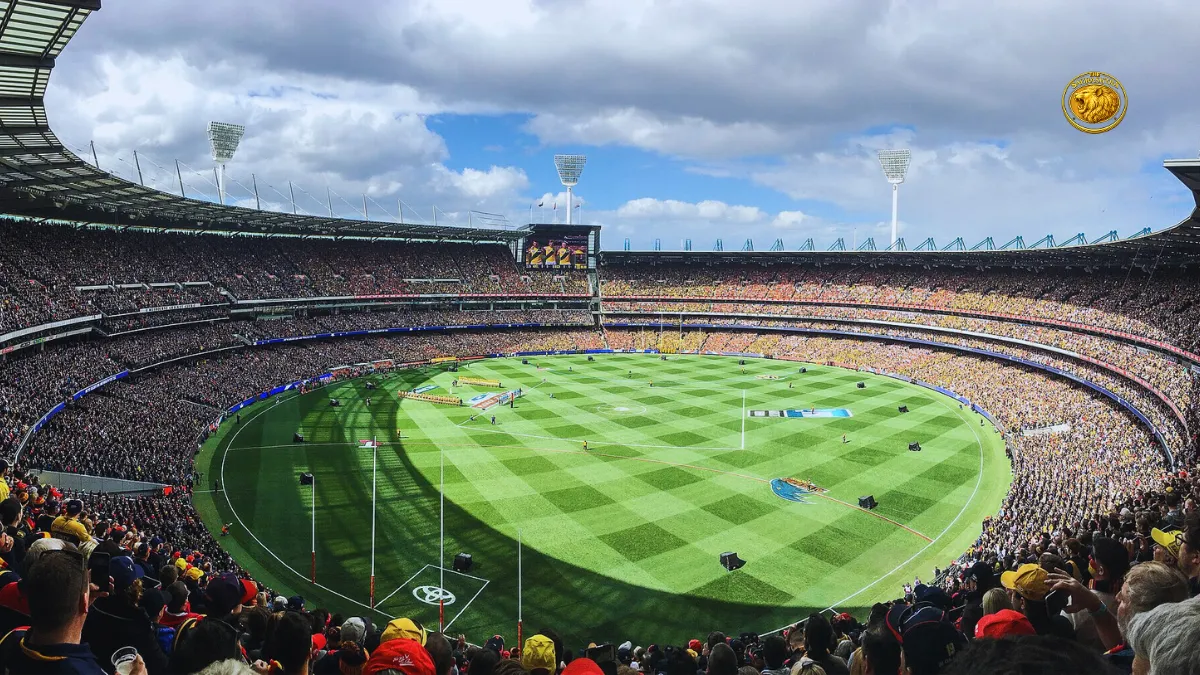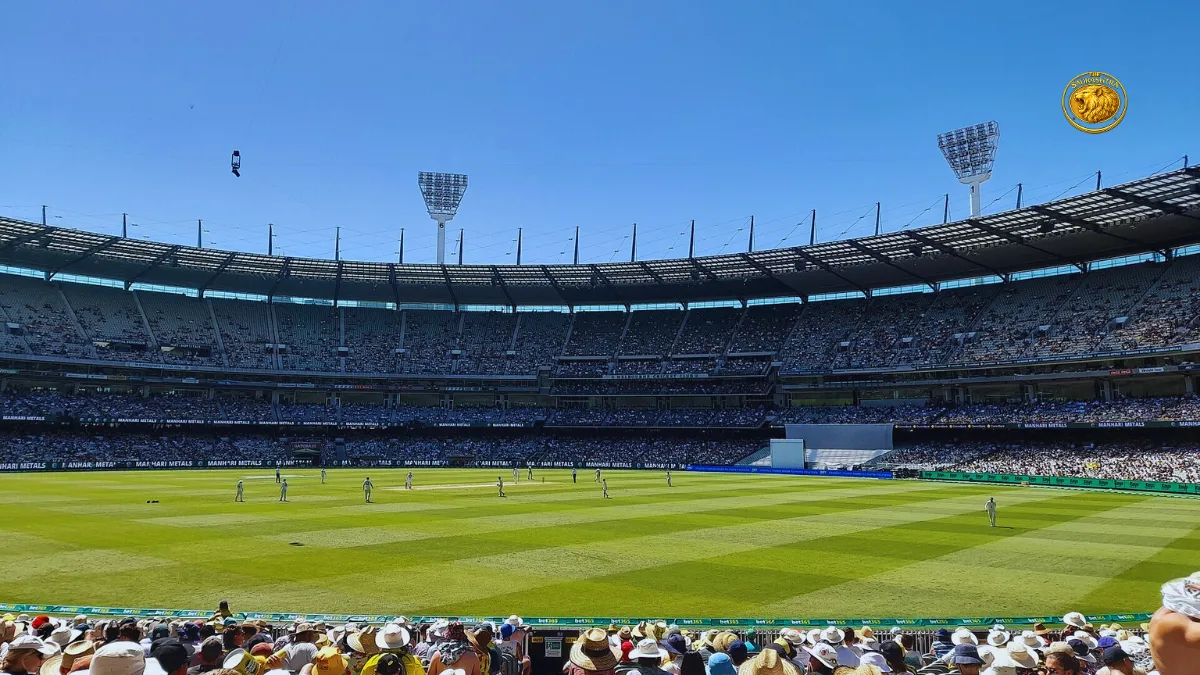
The melbourne cricket ground pitch report remains one of the most searched topics among cricket fans across the globe, especially ahead of high-profile matches. The iconic Melbourne Cricket Ground—popularly known as the MCG or simply “The G”—is not just a stadium but a historic sporting landmark that has shaped the evolution of cricket for more than a century.
From iconic Test matches to thrilling World Cup finals, the MCG has consistently delivered memorable moments. Understanding the pitch conditions here is crucial for everyone—players, analysts, and fantasy cricket enthusiasts alike. This comprehensive report provides a detailed breakdown of pitch behavior, match conditions, historical records, and strategies—all based on the ‘Melbourne Cricket Ground Pitch Report.’
Overview of Melbourne Cricket Ground
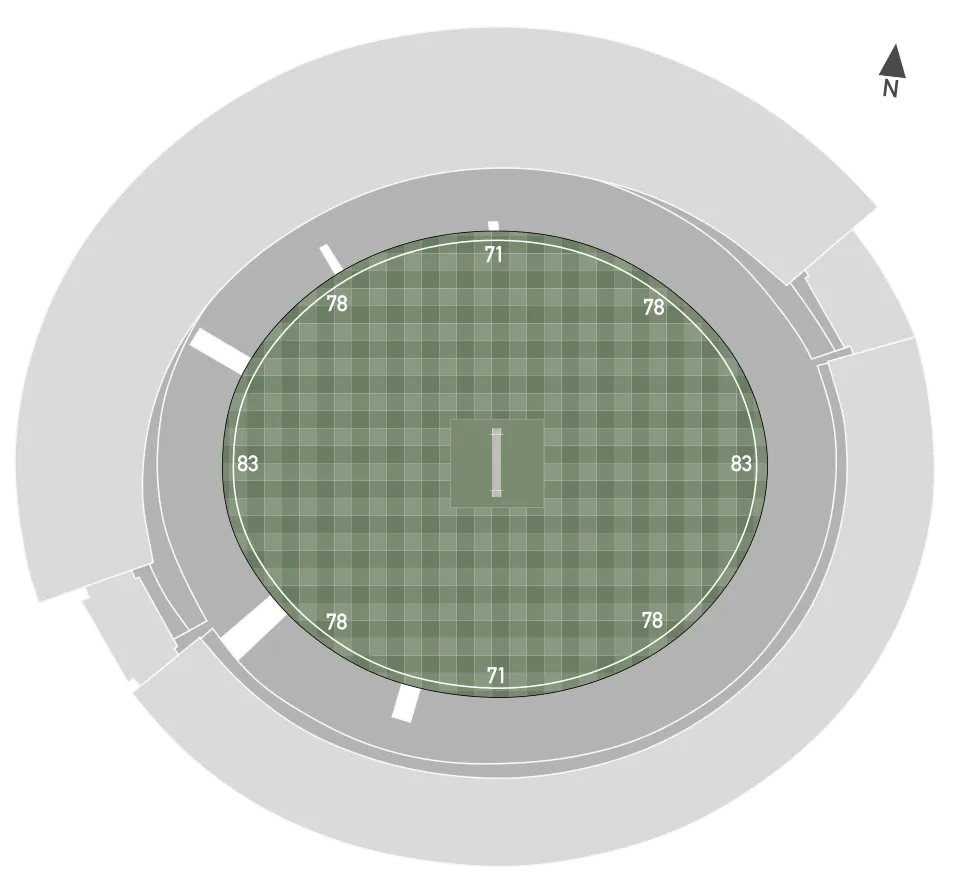
The Melbourne Cricket Ground stands as Australia’s premier sporting venue and one of the largest stadiums in the world. Established in 1853, it has hosted numerous iconic cricket matches along with other major sporting events.
Key Details of MCG
| Feature | Details |
|---|---|
| Also Known As | MCG |
| Established | 1853 |
| Capacity | ~90,000+ |
| Playing Area | 172.9 m (length), 147.8 m (width) |
| Ends | Members End, Great Southern Stand End |
| Floodlights | Since March 1985 |
| Home Teams | Australia, Victoria |
| Pitch Type | Grass (Drop-in Pitch) |
| Curator | David Sandurski |
Beyond cricket, the venue has hosted sports such as Australian Rules Football, soccer, rugby, and even served as the centerpiece of the 1956 Summer Olympics.
Historical Significance of the MCG
For over 100 years, the MCG has been at the heart of Australia’s sporting culture. Located just east of Melbourne’s central business district, it is easily accessible and regularly attracts massive crowds.
The stadium once had a capacity exceeding 120,000 before modernization reduced it to around 90,000–100,000 with improved seating comfort. Structures like the Great Southern Stand, Ponsford Stand, and Members’ Reserve contribute to its grand architecture.
The ground has witnessed legendary encounters such as:
- The 1982–83 Ashes Test between Australia national cricket team and England cricket team
- The thrilling 1987–88 clash between Australia and New Zealand national cricket team
- The 1992 Cricket World Cup Final
Melbourne Cricket Ground Pitch Report: Nature of the Surface
The melbourne cricket ground pitch report consistently highlights one key feature—balance. The pitch generally offers equal assistance to both batsmen and bowlers, making contests highly competitive.
Unlike traditional pitches, the MCG uses drop-in pitches prepared externally and installed in the center. This unique system slightly alters pitch behavior compared to other venues.
General Pitch Characteristics
- True and consistent bounce
- Medium to fast pace
- Balanced support for bat and ball
- Slight assistance for spinners in later stages
Format-Wise Pitch Behavior
Test Matches
In Test cricket, the melbourne cricket ground pitch report reveals a dynamic surface that evolves significantly over five days.
- Day 1: Fresh pitch with bounce and seam movement favors fast bowlers
- Day 2–3: Surface flattens, making batting easier
- Day 4–5: Cracks develop, aiding spinners and reverse swing
Fast bowlers thrive early, especially under overcast conditions. However, disciplined batsmen can build large innings as the match progresses.
One Day Internationals (ODIs)
In ODIs, the pitch behaves in a more batting-friendly manner.
- Good bounce helps stroke play
- New ball offers swing for pacers
- Slight slowdown in second innings
Teams often prefer to bat first and post competitive totals.
T20 Matches
The melbourne cricket ground pitch report for T20 cricket indicates a high-scoring venue with unique challenges:
- Large boundaries reduce six-hitting frequency
- Fast outfield ensures quick boundaries
- Variation bowlers (slower balls, cutters) are effective
Average Scores at MCG
Understanding scoring trends is essential when analyzing the melbourne cricket ground pitch report.
| Format | Average Score | Competitive Score |
|---|---|---|
| Test (1st Innings) | 300–350 | 400+ |
| ODI | 260–280 | 300+ |
| T20 | 160–170 | 180+ |
Bounce and Pace Analysis
One of the defining features of the melbourne cricket ground pitch report is its reliable bounce.
- Batsmen can trust the surface for shot-making
- Fast bowlers benefit from extra carry
- Short-pitched deliveries are particularly effective
The pitch speed is generally medium-fast, though it can vary depending on preparation and weather.
Weather Impact on Pitch Conditions
Melbourne’s unpredictable weather plays a crucial role in shaping the pitch.
Weather Influence Breakdown
| Condition | Impact on Pitch |
|---|---|
| Cloudy | Swing and seam movement increase |
| Sunny | Dry surface favors batting |
| Rain | Moisture aids bowlers initially |
| Dew (Night Matches) | Helps chasing teams |
The melbourne cricket ground pitch report often changes significantly based on these conditions.
Toss Factor at MCG
The toss plays a strategic role at the MCG.
- Test Matches: Teams prefer batting first
- ODIs/T20s: Decision depends on dew and weather
If dew is expected, captains often choose to bowl first to gain an advantage while chasing.
Records and Memorable Performances
The MCG has been the stage for numerous historic achievements. It has hosted multiple World Cup matches and finals, showcasing its global importance.
Technically sound batsmen and fast bowlers with pace and bounce have historically performed well here.
Match Strategies Based on Pitch Report
The melbourne cricket ground pitch report helps teams plan their gameplay effectively.
For Batsmen
- Focus on timing rather than power
- Utilize gaps due to large boundaries
- Build innings patiently in Tests
For Fast Bowlers
- Exploit bounce and short deliveries
- Use swing with the new ball
- Maintain disciplined lines
For Spinners
- Bowl tight lines
- Use variations effectively
- Target worn areas in later stages
Key Factors Affecting the Pitch
Several elements influence the pitch conditions at the MCG:
- Pitch preparation by curators
- Weather conditions
- Match format
- Usage of the surface
Fresh pitches behave differently compared to used ones, making each match unique.
Comparison with Other Australian Grounds
Compared to other venues in Australia:
| Ground | Key Feature |
|---|---|
| Perth | Extra pace and bounce |
| Sydney | Spin-friendly |
| Melbourne (MCG) | Balanced conditions |
The melbourne cricket ground pitch report highlights its versatility, making it suitable for all types of players.
Fantasy Cricket Tips
For fantasy cricket players, the melbourne cricket ground pitch report is extremely valuable.
- Pick top-order batsmen
- Include fast bowlers, especially in Tests
- Select all-rounders for balanced points
Recent Trends at the MCG
Recent matches suggest that limited-overs pitches at the MCG have become more batting-friendly.
- Higher scoring games
- Easier chasing due to dew
- Consistent bounce remains in Tests
Strengths and Weaknesses of the Pitch
Strengths
- Balanced contest between bat and ball
- True bounce aids shot-making
- Suitable for all formats
Weaknesses
- Large boundaries restrict aggressive batting
- Early movement can challenge inexperienced players
Also Read: Melbourne Cricket Ground: 10 Mind-Blowing Facts That Make MCG the World’s Most Legendary Stadium
Conclusion: on Melbourne Cricket Ground Pitch Report
The melbourne cricket ground pitch report clearly establishes the MCG as one of the most balanced and dynamic cricket venues in the world. It offers something for everyone—batsmen, bowlers, and all-rounders—while ensuring competitive and exciting matches.
Its ability to adapt to different formats, combined with weather influence and pitch evolution, makes every game unique. Whether it’s a historic Test match or a high-scoring T20 clash, the MCG continues to deliver world-class cricketing action.
For fans, analysts, and fantasy players, understanding the melbourne cricket ground pitch report provides a crucial edge in predicting match outcomes and player performances.