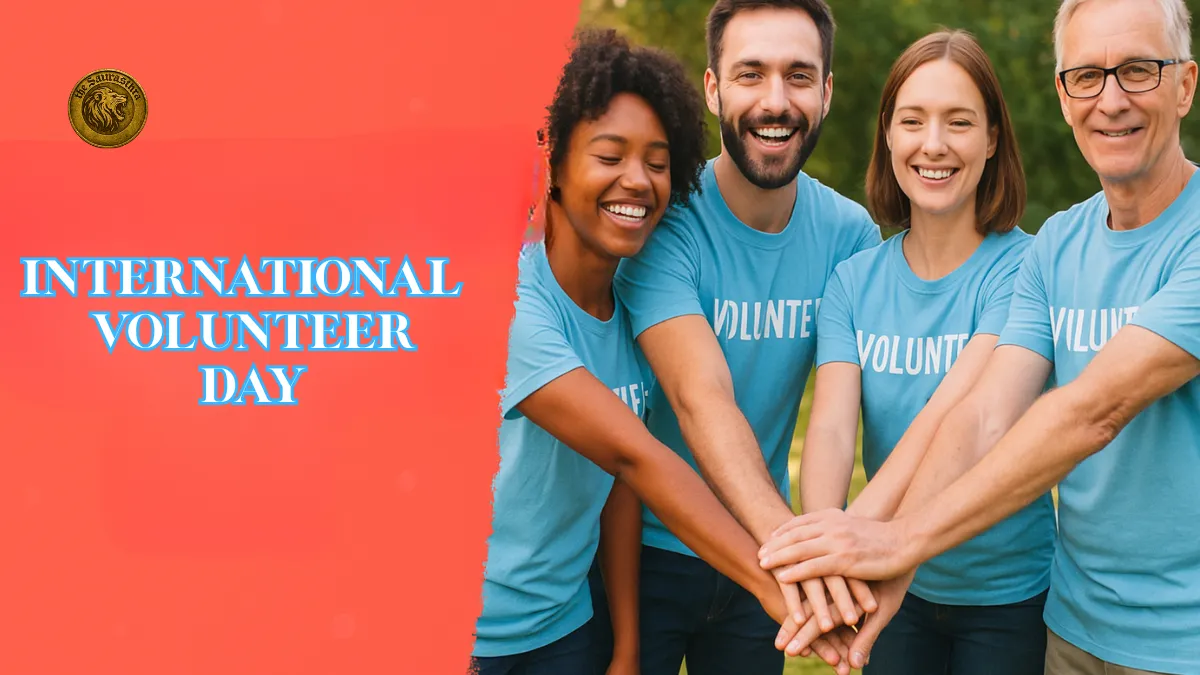
International Volunteer Day: Volunteering is often seen as a simple act of kindness, a gesture aimed at helping others. Yet, those who volunteer consistently know that the rewards extend far beyond the recipients of their generosity. It is a practice that nourishes the soul, enriches the mind, and fosters a sense of belonging that modern life frequently lacks. On International Volunteer Day, celebrated annually on December 5th, the world takes a moment to recognise the profound impact volunteers have on societies and communities. But the celebration is also a reminder of how giving time and energy to others can transform our own lives in remarkable ways.
Volunteering is much more than a charitable act. It fills unseen voids in our lives, connects us to communities, and injects meaning into our routines. In a world that often feels fast-paced, self-centred, and overwhelming, stepping outside oneself to assist others creates a rare space for reflection, growth, and emotional rejuvenation. From fostering social connections to reducing stress and improving mental well-being, the benefits of volunteering are both tangible and transformative.
Volunteering Instills a Sense of Purpose
One of the most immediate effects of volunteering is the sense of purpose it brings. Life often falls into repetitive cycles—work, chores, and digital distractions dominate our schedules. In such routines, it’s easy to feel like a passive observer in one’s own community. Volunteering changes that. When you commit to a cause, whether it’s supporting a local charity, participating in community projects, or simply helping an individual in need, you step into a role that matters.
Purpose does not require grand gestures. Even small acts like serving food at a shelter, planting trees, mentoring a young person, or walking rescue dogs can instil a profound feeling of usefulness. These acts, often modest and unseen by the larger world, remind volunteers that their efforts make a real difference. On International Volunteer Day, organisations worldwide celebrate these contributions, highlighting how small actions collectively drive meaningful change.
Building Connections and Expanding Your Social Circle
Modern life often limits our social interactions to work colleagues, family, and close friends. Volunteering breaks these boundaries. It brings together people of different ages, backgrounds, and perspectives who share a common goal. These shared experiences can forge deep, enduring friendships based not on convenience but on shared values and experiences.
Meeting people through volunteering exposes individuals to diverse stories, lifestyles, and cultures, fostering empathy and understanding. These new connections cultivate a sense of belonging that is increasingly rare in the fragmented social landscapes of modern cities. Through volunteering, individuals become part of communities, no longer just spectators but active participants in shaping a better world.
Volunteering Boosts Confidence and Self-Efficacy
Engaging in volunteer work often reveals hidden strengths. Tasks that might initially seem simple—coordinating events, mentoring, or assisting with logistics—can help individuals discover capabilities they didn’t realise they had. This newfound confidence naturally extends into other areas of life. Volunteers tend to speak up more, tackle challenges with courage, and recognise their ability to make a meaningful contribution.
Over time, these small victories accumulate, fostering a quiet but enduring self-assurance. Volunteering demonstrates, in a very tangible way, that everyone has something valuable to offer. This lesson is central to the ethos of International Volunteer Day, which celebrates not just what volunteers give, but what they gain in return.
Breaking the Monotony of Everyday Life
Repetition can dull even the most fulfilling routines. Volunteering offers a refreshing departure from the ordinary, introducing variety and spontaneity. By dedicating a few hours to helping others, volunteers disrupt their usual cycles of work and domestic chores. This shift provides perspective, re-energises the mind, and infuses daily life with a sense of excitement. Even a small commitment each month can make a week feel fuller, more balanced, and more connected to the wider world.
Cultivating Gratitude and Perspective
Volunteering fosters gratitude by providing a clear perspective on one’s own circumstances. Witnessing the challenges faced by others—whether it’s poverty, illness, or social isolation—encourages a shift in focus. The minor inconveniences and frustrations of daily life shrink in comparison, allowing volunteers to appreciate what they have.
This sense of gratitude has a ripple effect, enhancing overall mental health and resilience. Volunteers often report feeling more grounded, happier, and more appreciative of life’s simple pleasures. The practice of giving time to others thus becomes a powerful antidote to the pervasive sense of “never enough” that modern life can provoke.
Reducing Stress and Enhancing Mental Well-being
Volunteering functions as a natural stress-reliever. By focusing attention outward—on practical tasks and the needs of others—volunteers temporarily escape the cycle of rumination and worry. This diversion is a mental reset, one that is often more effective than conventional productivity techniques.
Over time, this habitual shift in focus builds resilience. Regular volunteers frequently experience lower stress levels, improved mood, and increased emotional stability. The act of helping, in essence, provides a therapeutic benefit that nurtures mental health without formal counselling or structured interventions.
Gaining New Perspectives on Life
Volunteers are often exposed to life experiences vastly different from their own. This exposure cultivates empathy, patience, and a broader understanding of human resilience. By observing and assisting people from diverse backgrounds, volunteers gain insight into struggles that may have previously felt distant or abstract.
This expanded worldview not only enriches personal growth but also enhances interpersonal relationships. Volunteers develop a deeper appreciation for shared humanity, fostering tolerance and compassion that extends beyond the volunteer setting.
Learning Practical Skills
While the emotional benefits of volunteering are profound, the practical skills gained are equally valuable. Volunteers enhance their teamwork, communication, problem-solving, and organisational abilities. Unlike traditional learning environments, volunteer experiences often provide hands-on opportunities without the pressure of performance metrics.
These skills transfer seamlessly into personal and professional life. Volunteers become more effective listeners, better collaborators, and more adaptable in complex situations. The subtle development of these competencies can have long-lasting impacts, far beyond the volunteer setting itself.
Building Community and Belonging
Volunteering strengthens the social fabric of communities. Regular engagement allows individuals to familiarise themselves with their surroundings, recognise familiar faces, and build meaningful relationships. These interactions foster a sense of place and belonging, turning neighbourhoods from mere living spaces into thriving communities.
Feeling connected to one’s community is crucial for mental health. Volunteers are not just residents—they are active contributors to local well-being. This connection aligns closely with the spirit of International Volunteer Day, which encourages communities worldwide to recognise and celebrate the impact of collective effort.
Celebrating Small Wins and Finding Joy
One of the understated rewards of volunteering is the joy found in small successes. Unlike traditional career milestones or material achievements, the victories in volunteer work are often subtle: a smile from a child, a thank-you from someone in need, or the smooth running of a local initiative.
These small moments accumulate, creating a steady, enduring sense of fulfillment. Volunteers learn that happiness does not always come from grand accomplishments but often emerges from consistent, meaningful acts of kindness.
Achieving Life Balance
Life’s responsibilities can be overwhelming, consuming all available time and energy. Volunteering introduces balance, redirecting attention toward generosity, connection, and altruism. This balance reduces burnout and fosters a more rounded sense of self. By integrating giving into one’s life, stress remains manageable, and life gains a deeper layer of meaning.
Discovering Hidden Passions
Many volunteers begin their journey by chance—a friend’s invitation, a local community event, or a spontaneous decision. Through these experiences, individuals often uncover passions and interests they were previously unaware of, ranging from environmental conservation to mentoring, animal welfare, or social activism.
These newfound interests can influence future career paths, hobbies, and personal goals. Volunteering thus acts as a safe space for experimentation and self-discovery, offering opportunities to explore passions without pressure or expectation.
Physical and Emotional Wellness
Volunteering is linked to measurable health benefits. Research indicates that acts of altruism trigger the release of dopamine and oxytocin, chemicals associated with happiness, connection, and bonding. Beyond temporary “helper’s highs,” regular volunteering contributes to sustained improvements in emotional health, resilience, and overall well-being.
By participating in meaningful work, volunteers cultivate optimism and emotional stability. They leave their volunteer experiences lighter, more balanced, and more connected to the world around them.
Leaving a Lasting Impact
The most profound aspect of volunteering is the tangible and intangible impact it leaves on the world. While one person’s efforts may seem small in isolation, consistent contributions create ripples that affect individuals, communities, and causes in significant ways.
Volunteers witness the fruits of their labour in subtle but meaningful changes: improved community spaces, enhanced educational opportunities, or simply the well-being of those they assist. On International Volunteer Day, the world collectively recognises these contributions, reminding volunteers that their time, energy, and compassion are invaluable.
The Global Celebration of International Volunteer Day
Observed annually on December 5th, International Volunteer Day was established by the United Nations in 1985. It serves not only as a celebration of volunteerism but also as a call to action. Governments, non-governmental organisations, and community groups worldwide use the day to highlight the importance of volunteering, advocate for support, and share inspiring stories.
Each year, International Volunteer Day is themed to spotlight pressing global issues, from environmental conservation to social justice, health, and education. Through these themes, volunteers are recognised for their efforts and encouraged to continue contributing to sustainable development goals.
This day also underscores a vital truth: volunteering is not limited by age, experience, or resources. Anyone can participate. Whether contributing an hour each week, a day each month, or helping in emergency relief efforts, every act of volunteering matters.
Also read: Human Rights Day: A Global Call to Protect Dignity and Justice
How to Make the Most of International Volunteer Day
Participating in International Volunteer Day can be both fulfilling and transformative. Here are ways to get involved:
- Join Local Initiatives – Many community organisations host events, clean-ups, or awareness campaigns on this day.
- Support Charities – Financial donations, even small ones, help sustain volunteer-driven projects.
- Share Your Story – Inspiring others to volunteer by sharing experiences amplifies the impact.
- Mentor or Teach – Offer your skills and knowledge to those who can benefit from them.
- Participate Virtually – For those unable to be physically present, online volunteering options provide meaningful alternatives.
By actively participating, volunteers not only support causes but also experience the personal rewards that make volunteerism so powerful.
Also read: International Migrants Day 18 December: Understanding the Global Movement of People
Conclusion
Volunteering is far more than a noble gesture. It is a path to personal growth, social connection, and emotional wellness. From cultivating purpose and confidence to building skills, reducing stress, and fostering gratitude, the benefits of volunteering are profound and multifaceted.
On International Volunteer Day, the world recognises the immeasurable contributions of volunteers. Yet, beyond a single day of celebration, volunteering offers continuous opportunities to make a difference—not only in the lives of others but also in one’s own. Each act of kindness, no matter how small, enriches communities, strengthens bonds, and leaves a lasting imprint on the world.
In the end, volunteering teaches a universal lesson: the simple act of showing up, offering time, and caring for others creates ripples of positive change that extend far beyond what the eye can see. It reminds us that in giving, we receive; in helping, we grow; and in connecting, we find the essence of what it means to be human.