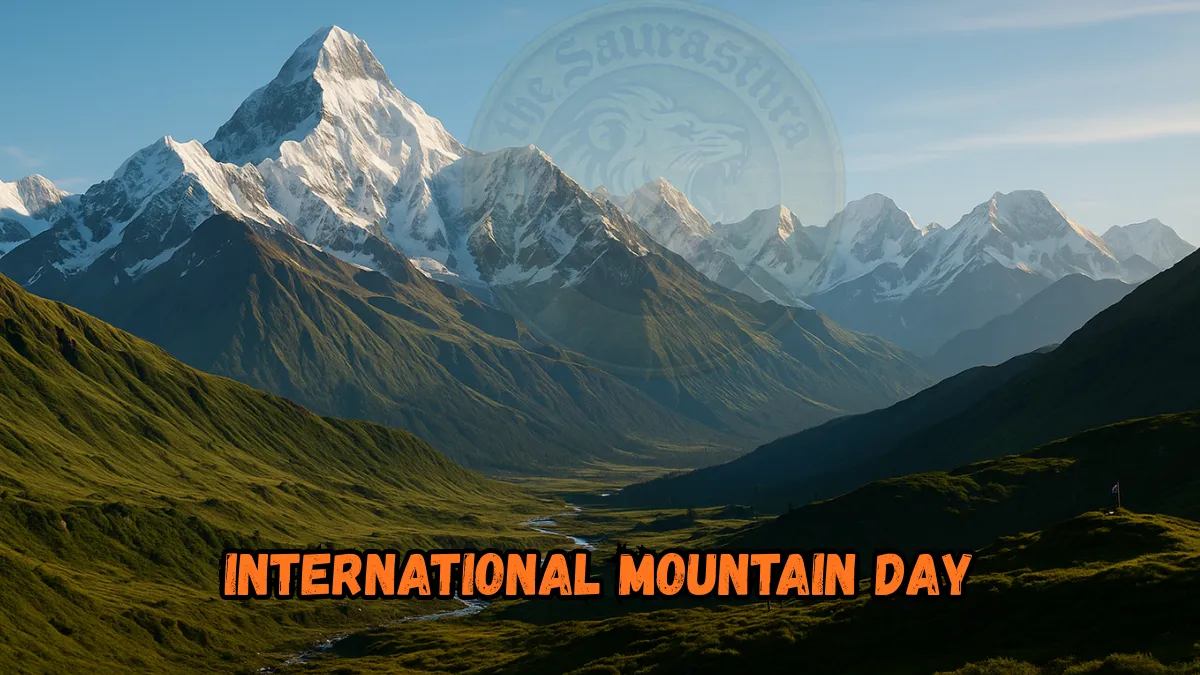
International Mountain Day is observed each year to highlight the ecological, cultural, and economic value of the world’s mountainous regions. Established to raise awareness about the diverse challenges faced by mountain ecosystems and the communities that depend on them, the day has evolved into a global call for conservation, sustainable development, and responsible tourism. As climate pressures intensify and populations grow, the need to protect mountain environments has never been more urgent. From serving as critical water towers for humanity to sheltering unique biodiversity, mountains play a pivotal role in sustaining life across continents.
The idea behind International Mountain Day goes beyond a symbolic observance. It encourages governments, organizations, researchers, and local communities to examine the long-term sustainability of mountain regions. These towering landscapes reveal much about how societies interact with nature and how fragile ecological systems can be when exposed to unchecked exploitation or rapid climate shifts. As more people turn to mountain regions for livelihood, recreation, and cultural identity, the importance of responsible stewardship becomes increasingly central to global environmental discussions.
Mountains cover around one-quarter of Earth’s land surface and influence weather systems, water cycles, and agricultural practices. Many of the world’s most iconic rivers originate in these high-altitude regions, irrigating farms and sustaining billions of people downstream. International Mountain Day draws attention to this interconnectedness, reminding the world that protecting mountain ecosystems benefits everyone, not just those who live in or near them. Understanding their complexities requires a holistic view, examining ecological, economic, and sociocultural dimensions in unison.
Global Importance of Mountains
Mountains provide essential ecosystem services that often go unnoticed until they are threatened. These regions regulate atmospheric circulation, store freshwater, and serve as biodiversity hotspots. They support agriculture, forestry, and traditional practices that have shaped human civilizations for centuries. Observing International Mountain Day helps ensure these contributions are acknowledged in policymaking and environmental management.
Freshwater is perhaps the most vital contribution of mountain regions. Snow-capped peaks and glaciers act as natural reservoirs, releasing water gradually through seasonal melting. This process supports drinking water supplies, hydroelectric power, agriculture, and industry. As global temperatures rise, glaciers retreat, altering water availability and threatening communities that depend on steady seasonal flows. Recognizing these challenges is one of the key goals of those who promote International Mountain Day across various sectors.
Mountain biodiversity is equally significant. Many species found in high-altitude environments are endemic, meaning they exist nowhere else in the world. These species have adapted to harsh climates, steep soils, and fluctuating temperatures. Their survival depends on the stability of the ecosystems that support them. The decline of mountain habitats can lead to irreversible biodiversity loss, affecting ecological balance. International Mountain Day encourages the study and preservation of these delicate ecological networks, recognizing that their loss could create cascading effects across global ecosystems.
Communities and Cultures of Mountain Regions
Millions of people live in mountain regions, relying on agriculture, pastoralism, artisanal crafts, and tourism for their livelihoods. These communities preserve unique cultural identities shaped by the environment around them. Their traditional knowledge systems provide valuable insights into sustainable land management, climate adaptation, and natural resource preservation.
Mountain cultures often emphasize harmony with nature. Their practices—ranging from terraced farming to rotational grazing—reflect generations of experience navigating difficult terrain and unpredictable weather patterns. Yet these communities frequently face hardships, including limited access to education, healthcare, transportation, and economic opportunities. International Mountain Day aims to bring global attention to these disparities, promoting investment and development strategies that respect cultural heritage while improving quality of life.
As tourism in mountain regions expands, balancing economic benefits with environmental protection has become a major challenge. The influx of visitors can strain local infrastructure, increase waste, degrade trails, and threaten fragile habitats. Responsible tourism models, promoted during International Mountain Day discussions, encourage visitors to minimize their ecological footprint, support local economies, and respect cultural traditions.
Mountain Ecosystems Under Threat
Despite their resilience, mountains face mounting threats from climate change, deforestation, mining, pollution, and unregulated tourism. Rising temperatures have accelerated glacier melt, altered weather patterns, and increased the frequency of natural disasters such as landslides and flash floods. The consequences extend far beyond mountain boundaries, affecting agriculture, water security, and economic stability across entire regions.
Deforestation, often driven by expanding agriculture or fuel collection, destabilizes soils and reduces biodiversity. Mining activities can contaminate water sources and disrupt ecosystems that are already vulnerable. Unplanned urbanization further strains natural resources. International Mountain Day seeks to mobilize broader environmental action to address these issues, emphasizing long-term strategies such as reforestation, protected areas, and sustainable resource management.
The threat of climate-induced migration is growing as mountain communities lose access to arable land, stable water supplies, or safe living conditions. These shifts carry social and economic implications, increasing pressure on already crowded lowland areas. International Mountain Day highlights the need for global cooperation in supporting climate adaptation initiatives that protect both people and ecosystems.
A Brief Overview of Mountain Statistics
The following table provides a simple overview of key facts related to global mountain regions that are commonly referenced in discussions surrounding International Mountain Day:
| Aspect | Description |
|---|---|
| Global land coverage | Approximately 25% of Earth’s land surface |
| Percentage of global population living in mountains | Roughly 15% |
| Contribution to global freshwater supply | About 60–80% of the world’s freshwater originates from mountains |
| Number of global biodiversity hotspots that include mountain regions | More than half |
| Major threats | Climate change, deforestation, mining, soil erosion, unregulated tourism |
| Key role in agriculture | Supports terrace farming, livestock grazing, and specialized crops |
| Importance for energy | Significant source of hydropower generation |
Climate Challenges and Future Risks
The urgency emphasized on International Mountain Day stems largely from the accelerating impacts of climate change. Glacier retreat has become one of the most visible signs of environmental stress in high-altitude ecosystems. Scientists have documented shrinking ice masses in regions such as the Himalayas, Andes, Rockies, and Alps. These changes not only affect water availability but also increase the risk of glacial lake outburst floods.
Warming temperatures also shift ecological zones upward, forcing plant and animal species into increasingly narrow habitat ranges. Some species may face extinction if they cannot adapt quickly enough. Tree lines are shifting, altering soil moisture, and modifying natural vegetation patterns. The resulting ecological imbalance affects pollinators, water cycles, and forest regeneration.
Weather patterns have become more unpredictable, leading to intense rainfall or prolonged droughts. Mountain agriculture, which already operates under challenging conditions, becomes even more vulnerable. International Mountain Day amplifies calls for climate resilience programs that incorporate traditional knowledge, modern science, and community participation.
Sustainable Mountain Development
Efforts to promote sustainable mountain development revolve around protecting natural resources, supporting local economies, and mitigating environmental risks. Policymakers, researchers, and community leaders increasingly recognize the value of integrated approaches that combine conservation with social and economic advancement.
Land management practices such as terracing, agroforestry, and rotational grazing help preserve soil health while ensuring agricultural productivity. Reforestation initiatives stabilize slopes, enhance biodiversity, and restore watershed functions. Sustainable tourism models encourage responsible travel, reduced waste, and respect for local traditions. International Mountain Day encourages the adoption of these practices worldwide.
Strengthening economies in mountain regions requires expanding access to markets, improving infrastructure, and fostering climate-resilient livelihoods. Mountain farmers often cultivate high-value crops such as apples, tea, herbs, and spices that thrive in cooler climates. Promoting these products through cooperative models and fair-trade systems can improve income stability.
Role of Education and Research
Education plays a crucial role in advancing mountain conservation. Schools, universities, and research institutions help generate scientific understanding of high-altitude ecosystems and the challenges they face. Community-based education programs raise awareness about sustainable practices, risk management, and climate adaptation strategies.
Research initiatives contribute to monitoring glacier mass, forecasting natural hazards, and assessing biodiversity trends. These findings guide policymakers in designing targeted interventions. Observing International Mountain Day encourages greater investment in scientific research and knowledge-sharing platforms that strengthen global collaboration.
Indigenous Knowledge and Mountain Resilience
Indigenous knowledge systems have guided mountain communities for centuries, emphasizing sustainable resource use and ecological balance. These practices offer valuable insights into adapting to changing climates, managing forests, and maintaining agricultural productivity. International Mountain Day recognizes the importance of protecting and integrating this knowledge into conservation strategies.
Traditional architecture in mountain regions often reflects an understanding of climatic conditions. Materials used for housing provide insulation, ventilation, and resistance to environmental stress. Likewise, local understanding of weather patterns helps communities prepare for seasonal variations and extreme events. Preserving this knowledge is essential to maintaining cultural identity and enhancing resilience.
Tourism, Conservation, and Economic Opportunities
Tourism is one of the most significant economic drivers in many mountain regions. From trekking and skiing to cultural exploration, visitors are drawn to the natural beauty and unique traditions of high-altitude destinations. While tourism provides employment and boosts local economies, it can also create strain when not managed responsibly.
Promoters of International Mountain Day advocate for tourism models that minimize ecological disruption, support local businesses, and educate visitors about environmental responsibility. Community-led tourism projects empower residents to shape development strategies while preserving cultural and ecological integrity.
Read also: International Volunteer Day: A Global Celebration of Service, Solidarity, and Collective Action
Mountains as Symbols of Inspiration
Mountains have long served as symbols of strength, endurance, and spiritual reflection. They inspire literature, art, religion, and philosophy across cultures. From sacred peaks to adventurous expeditions, mountains evoke a sense of wonder and humility. By celebrating International Mountain Day, societies acknowledge this powerful cultural significance alongside ecological importance.
Writers, poets, and explorers have documented their experiences in mountain landscapes for centuries, capturing the human fascination with these towering formations. Their accounts shape public appreciation for mountain conservation, influencing policy and cultural attitudes.
Read also: The Transformative Power of Volunteering: Celebrating International Volunteer Day
International Cooperation and Policy Frameworks
Protecting mountain ecosystems requires global cooperation. International organizations, including environmental agencies and development institutions, work together to design policies that promote sustainable mountain development. These initiatives aim to safeguard biodiversity, stabilize watersheds, and improve living conditions for mountain communities.
International Mountain Day reinforces the momentum behind these collaborative efforts. Cross-border mountain ranges such as the Himalayas, Andes, and Alps require coordinated environmental management, as ecological changes in one region can affect neighboring areas. Joint research, disaster preparedness strategies, and conservation agreements are essential.
Read also: International Migrants Day 18 December: Understanding the Global Movement of People
The Future of Mountain Conservation
Looking ahead, the protection of mountainous regions will require persistent commitment, scientific innovation, and public participation. Climate adaptation strategies must address glacier loss, unpredictable weather, and shifting agricultural conditions. Investments in sustainable infrastructure and renewable energy can help mountain communities thrive.
Education programs and public awareness campaigns inspired by International Mountain Day play a crucial role in engaging younger generations. As environmental challenges intensify, fostering a global sense of responsibility becomes essential for ensuring the long-term health of mountain ecosystems.
International Mountain Day serves as a reminder that mountains are more than geological formations. They are lifelines for millions, guardians of biodiversity, and cultural treasures. Their preservation is integral to global sustainability. By recognizing their significance and addressing the challenges they face, society can work toward a future in which mountain regions continue to flourish and support life in all its diversity.