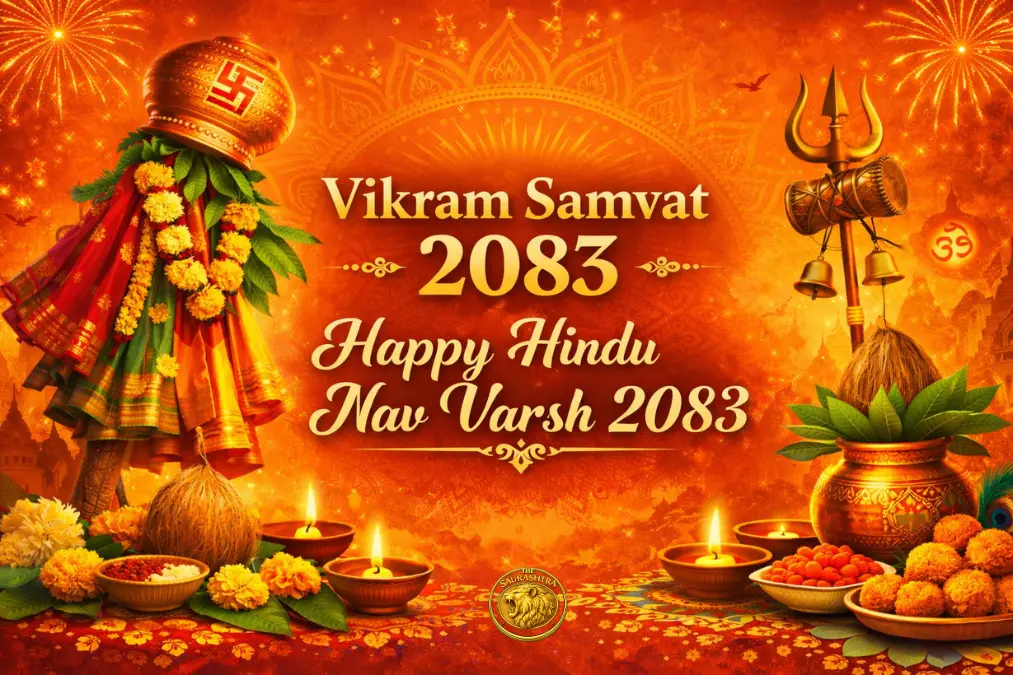
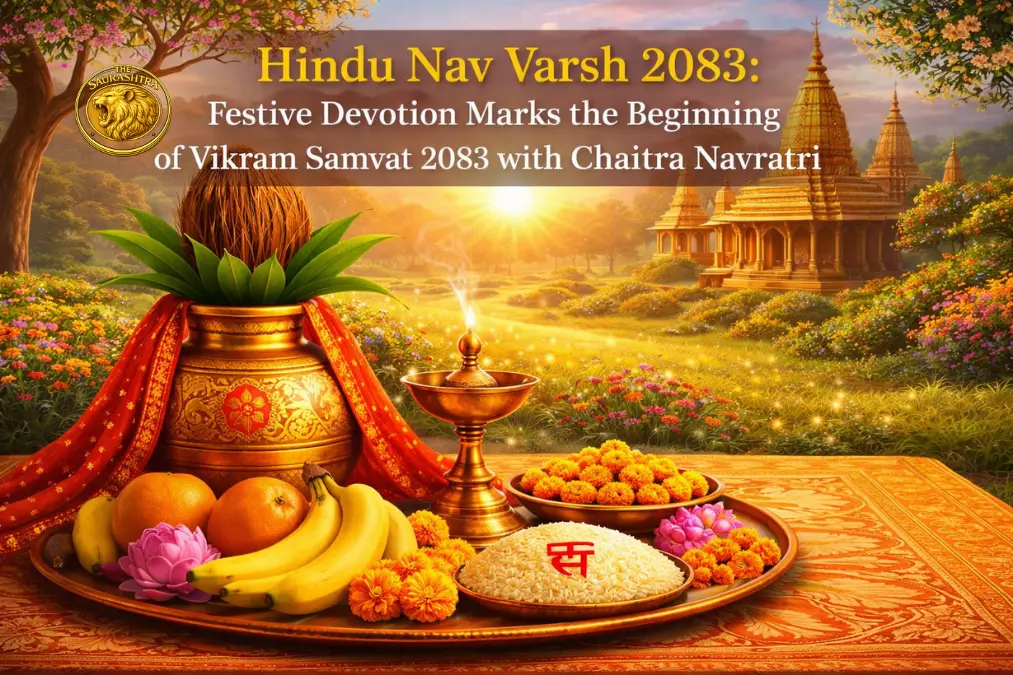
The arrival of hindu nav varsh will be celebrated across the country with immense devotion, joy, and spiritual enthusiasm as Vikram Samvat 2083 officially begins. This sacred occasion coincides with the start of Chaitra Navratri, one of the most significant festivals in the Hindu calendar, beginning on March 19. The nine-day festival dedicated to Goddess Durga will witness rituals, fasting, and prayers in homes and temples alike, marking a spiritually powerful transition into the new year.
This year’s celebrations come with unique astrological alignments, making the occasion even more special for devotees. Despite the presence of Amavasya (new moon) during the sunrise on the first day, religious scholars have clarified that the auspiciousness of Pratipada Tithi will still prevail, allowing all traditional rituals to proceed without interruption.
Spiritual Significance of Hindu Nav Varsh and Chaitra Navratri
The hindu nav varsh, which begins on the first day of the Chaitra month (Chaitra Shukla Pratipada), is deeply rooted in India’s ancient timekeeping system. It marks the beginning of a new lunar year and symbolizes renewal, prosperity, and spiritual awakening.
Chaitra Navratri, which starts on the same day, is dedicated to the worship of Maa Adishakti (the primordial divine feminine energy). Devotees observe fasts, perform rituals, and engage in spiritual practices to invoke strength, positivity, and blessings for the year ahead.
This period also represents a seasonal transition, known as the junction of seasons, making it an ideal time for spiritual cleansing and inner growth.
Unique Astrological Occurrence This Year
According to renowned astrologers, this year presents a rare situation where Amavasya Tithi overlaps with Pratipada Tithi during sunrise. Despite this, the traditions and rituals of Navratri and hindu nav varsh will continue as per established Hindu calendar principles.
Experts explain that although Amavasya remains at sunrise, Pratipada begins shortly afterward and continues throughout the day. Based on traditional Indian timekeeping methods, the presence of Pratipada across the day holds significance, allowing all rituals, including Kalash Sthapana, to be performed on March 19.
Astrologers emphasize that even though there is a technical “loss” (Kshaya) of Pratipada at sunrise, the Navratri festival will still be observed for the full nine days without any reduction in its spiritual importance.
Kalash Sthapana Muhurat: When to Begin the Rituals
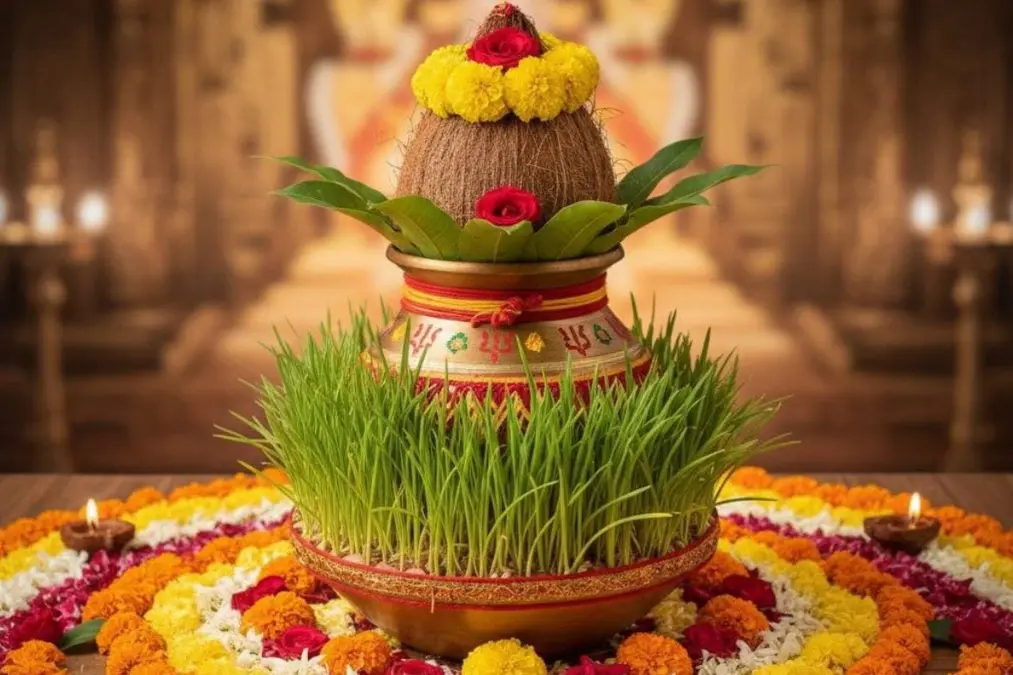
The installation of the sacred Kalash (holy pot), known as Kalash Sthapana, marks the formal beginning of Navratri rituals in households.
This year, the auspicious time for Kalash Sthapana begins in the morning and extends until early afternoon. Devotees who are unable to perform the ritual within the ideal timeframe can still carry it out later in the day or even at night.
Kalash Sthapana Timings
| Ritual | Date | Time |
|---|---|---|
| Kalash Sthapana (Ghatasthapana) | March 19 | 6:42 AM to 12:25 PM (Auspicious Period) |
| Alternate Timing | March 19 | After 12:25 PM until night |
This flexibility ensures that devotees across different regions can participate in the rituals according to their convenience while maintaining religious sanctity.
Nine Days of Devotion: Worship of the Nine Forms of Goddess Durga
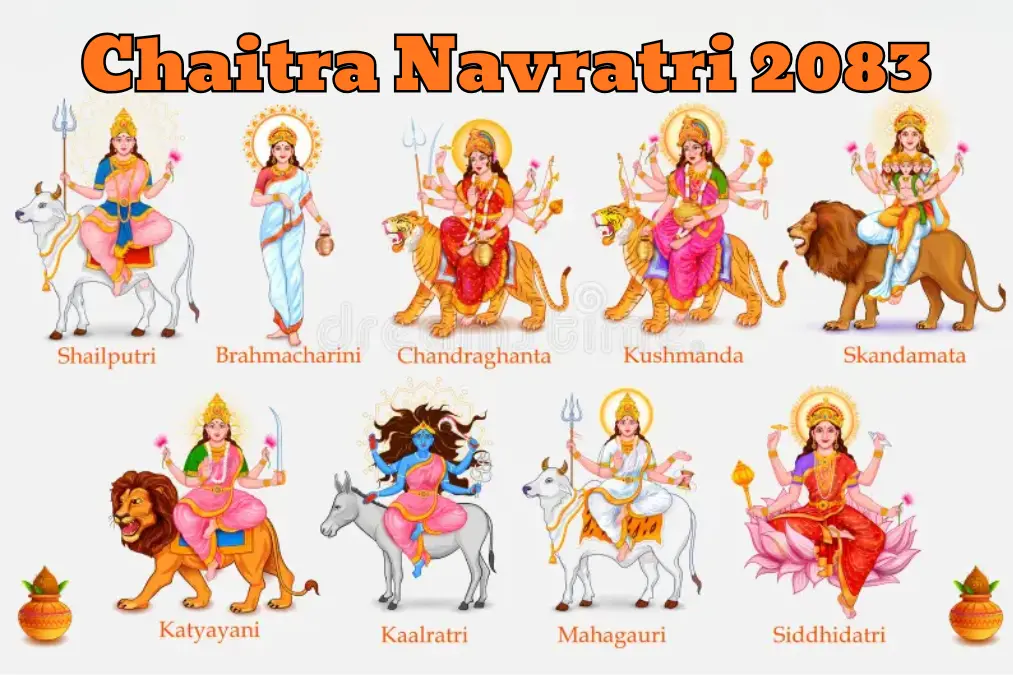
The nine days of Chaitra Navratri are dedicated to the nine divine forms of Goddess Durga, collectively known as Navadurga. Each day holds its own spiritual significance, and devotees offer prayers, observe fasts, and seek blessings for health, prosperity, and protection.
From March 19 to March 27, devotees will worship these forms sequentially, engaging in rituals, chanting, and meditation.
Important Rituals and Observances During Navratri
Apart from daily worship and fasting, several important rituals take place during the Navratri period. These include special fasts, night worship, and sacred pilgrimages.
Key Events and Rituals
| Event | Date & Time Details |
|---|---|
| Start of Navratri & Hindu Nav Varsh | March 19 |
| Surya Shashthi Vrat | Begins March 24, Parana on March 25 after sunrise offering |
| Mahanisha Puja | Night of March 25 |
| Annapurna Parikrama | March 25 (4:54 PM) to March 26 (2:32 PM) |
| Maha Ashtami Vrat | March 26 |
| Maha Navami Vrat | March 27 (Full day) |
| Havan & Purnahuti | March 27 (Before 12:30 PM) |
| Navratri Parana | After March 27 afternoon to March 28 (till 10:30 AM) |
Special Observances for Devotees
Not all devotees observe the full nine-day fast. Some choose to fast only on the first and last days, which are considered highly auspicious.
- Devotees observing limited fasts will keep their final fast on Maha Ashtami (March 26)
- The fast will be broken (Parana) on March 27
- For those observing the full Navratri fast, Parana can be done between March 27 afternoon and March 28 morning
These variations ensure that devotees can participate in the festival according to their capacity while still receiving spiritual benefits.
Ram Navami: Celebrating the Birth of Lord Rama
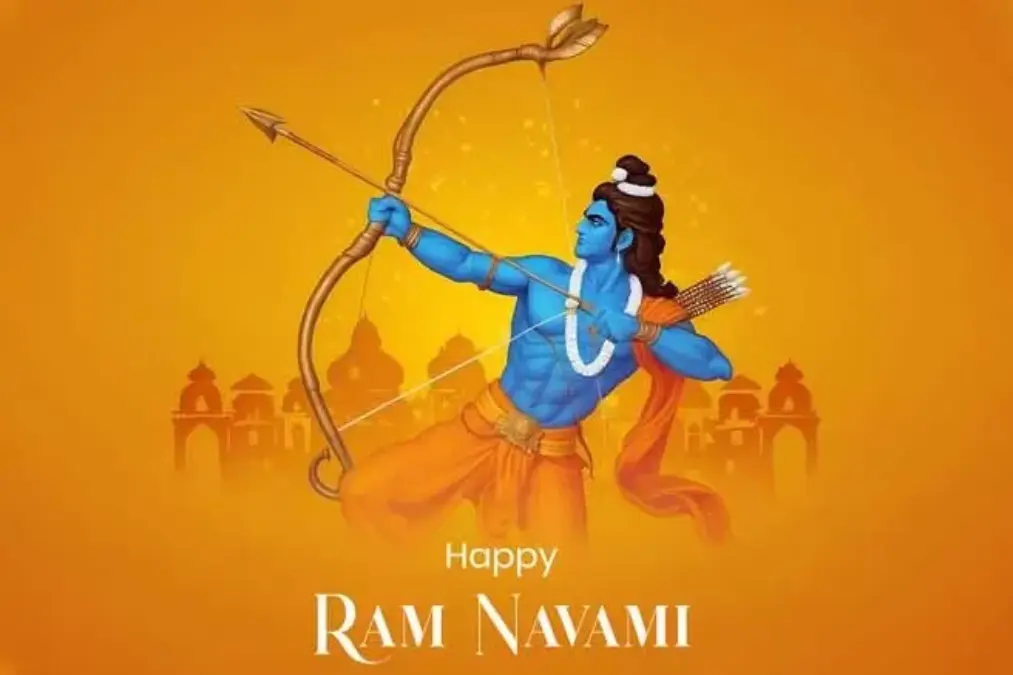
One of the most important highlights of this period is Ram Navami, which will be celebrated on March 27 across India.
This day marks the birth of Lord Rama, the seventh incarnation of Lord Vishnu and a central figure in Hindu tradition.
Temples will organize grand celebrations, including:
- Special decorations and tableaux (jhankis)
- Midday aartis
- Devotional songs and chanting
- Community prayers and storytelling
At noon, considered the time of Lord Rama’s birth, temples will conduct elaborate rituals, drawing thousands of devotees.
Cultural and Religious Importance of Hindu Nav Varsh
The hindu nav varsh is more than just the start of a new calendar year—it represents a fresh beginning filled with hope, discipline, and spiritual focus.
Key Aspects of Hindu Nav Varsh
- Spiritual Renewal: Encourages devotees to begin the year with prayers and positive intentions
- Seasonal Transition: Marks the shift from winter to spring, symbolizing growth and new life
- Cultural Unity: Celebrated across India in different forms, reflecting regional diversity
- Astrological Significance: Based on lunar calculations that align with cosmic cycles
In cities like Varanasi, the celebrations hold special significance due to the city’s deep-rooted spiritual heritage. Temples, ghats, and households come alive with chants, rituals, and vibrant festivities.
Why This Year’s Celebration is Special
This year’s hindu nav varsh stands out due to the rare alignment of lunar dates, which has sparked interest among astrologers and devotees alike.
Despite the overlap of Amavasya and Pratipada, religious experts confirm that:
- All rituals remain valid and auspicious
- The nine-day Navratri cycle is unaffected
- Devotees can perform all traditional practices without concern
This reassurance has brought clarity and confidence among followers preparing for the festival.
Also Read: Padma Awards 2026 Winners List Announced: India Honours 45 Unsung Heroes for Exceptional Service
Conclusion
The beginning of hindu nav varsh Vikram Samvat 2083 brings with it a wave of devotion, cultural richness, and spiritual awakening. As Chaitra Navratri commences on March 19, millions of devotees across India will engage in rituals, fasting, and prayers to seek divine blessings.
From Kalash Sthapana to Ram Navami celebrations, every moment of this sacred period reflects the deep connection between faith and tradition. With homes and temples filled with chants and devotion, the festival serves as a reminder of renewal, strength, and the eternal power of divine energy.
As the new year begins, the message remains clear—embrace positivity, uphold traditions, and step into the future with faith and hope.