The story of dhordo kutch begins in the heart of the Great Rann of Kutch, where an endless white horizon meets an ancient culture that has thrived for generations in one of India’s most extraordinary landscapes. dhordo kutch is not just a destination; it is an experience shaped by nature, tradition, and the remarkable resilience of the people who call this region home. From the shimmering salt desert to the vibrant handicrafts and the warmth of local hospitality, dhordo kutch offers an unforgettable blend of geography and culture that captivates travelers from across the world.
Located near the Indo-Pakistan border, this village has risen to international prominence as the gateway to the Rann Utsav, a seasonal festival celebrating the art, music, food, and heritage of Kutch. Yet, even beyond the festival, dhordo kutch stands as a testament to the rich diversity and unique charm of western India’s desert ecosystems. Visitors who arrive expecting a barren desert often leave with memories of incredible landscapes, heartfelt human stories, and a deeper appreciation for the traditions that shape this corner of Gujarat.
Understanding the Landscape of the White Desert
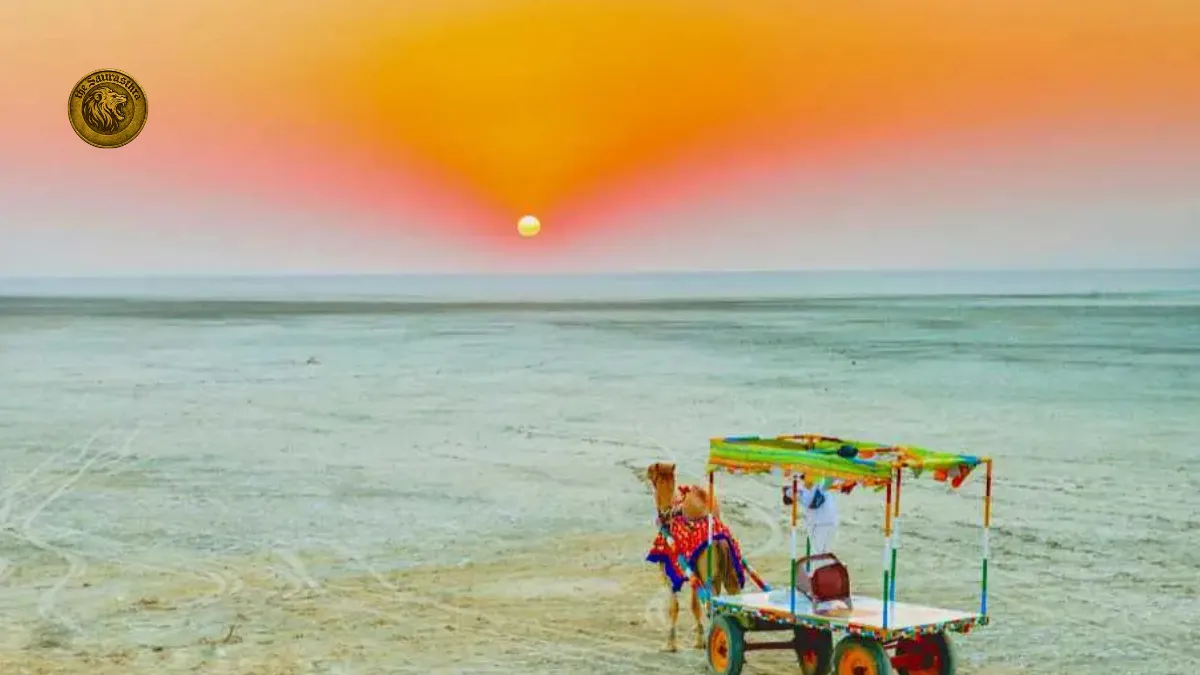
The most defining feature of dhordo kutch is the Great Rann itself, a vast salt marsh that transforms dramatically with the seasons. During the monsoon, water flows into the area, turning the region into a shallow wetland. When the water evaporates under the intense desert heat, a gleaming crust of salt is left behind, creating the surreal white desert that draws photographers, researchers, and adventure seekers.
Walking across this landscape feels like stepping into another world. The horizon stretches endlessly, and the ground beneath one’s feet reflects the changing colors of the sky. Whether at sunrise, when soft golden light illuminates the salt crystals, or during a full moon night, when the entire desert appears to glow, dhordo kutch offers vistas that remain etched in memory long after the journey ends.
Beyond its beauty, the white desert plays a significant role in the ecology and economy of the region. It supports migratory bird species, including flamingos and cranes, and provides a natural barrier that shapes the agricultural and pastoral lifestyles of local communities.
Cultural Tapestry of dhordo kutch
While the landscape is spectacular, the true soul of dhordo kutch lies in its people. The village is home to communities renowned for their craftsmanship, weaving traditions, embroidery styles, and folk music. Time-honored skills are passed down through generations, ensuring each piece of art tells a story rooted in identity and heritage.
Many travelers visit artisan homes to see firsthand how Kutch embroidery, bandhani tie-dye, leatherwork, and Rogan art come to life. Each style carries symbols from local folklore, daily life, and spiritual beliefs. The artisans of dhordo kutch work with precision and patience, often creating intricate designs entirely by hand.
Music and dance form another integral part of village life. Evenings are often filled with traditional songs accompanied by instruments like the jodiya pava, morchang, and bhorrindo. These performances offer deep insight into the emotions, celebrations, and histories of Kutch’s diverse communities.
Why dhordo kutch Has Become a Global Attraction
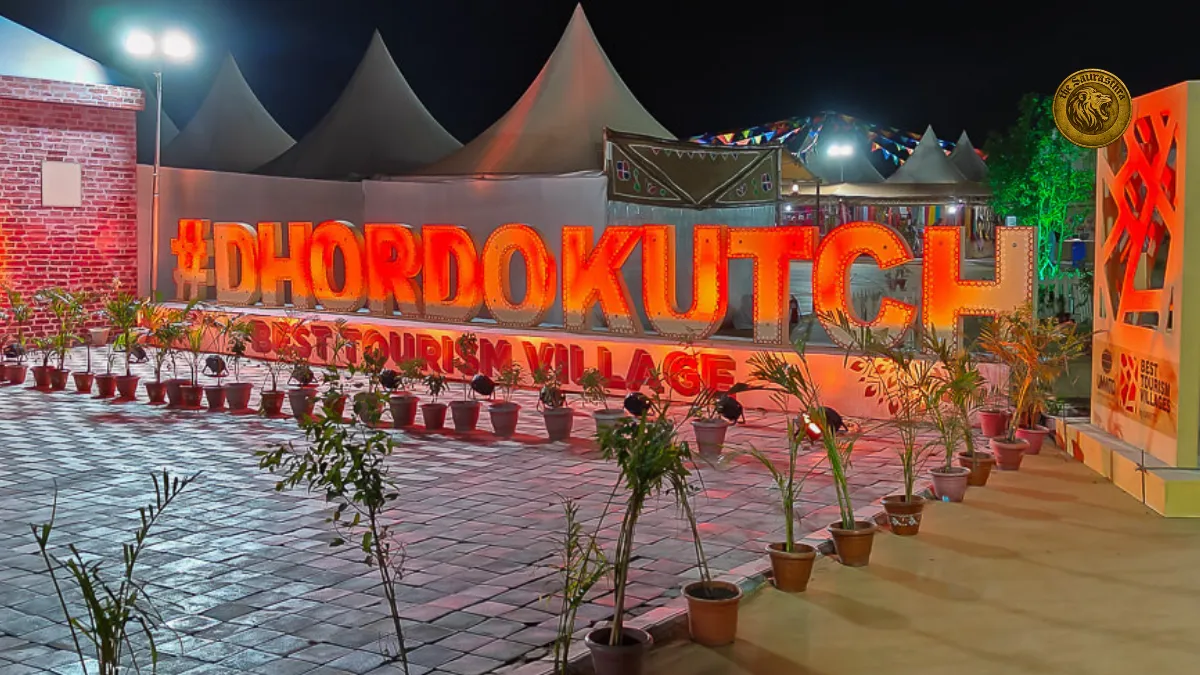
Apart from its cultural richness, dhordo kutch attracts visitors because of its accessibility and well-developed tourism infrastructure. The village’s transformation over the years has included improved roads, organized festival grounds, and curated experiences that highlight the region’s natural beauty and traditions.
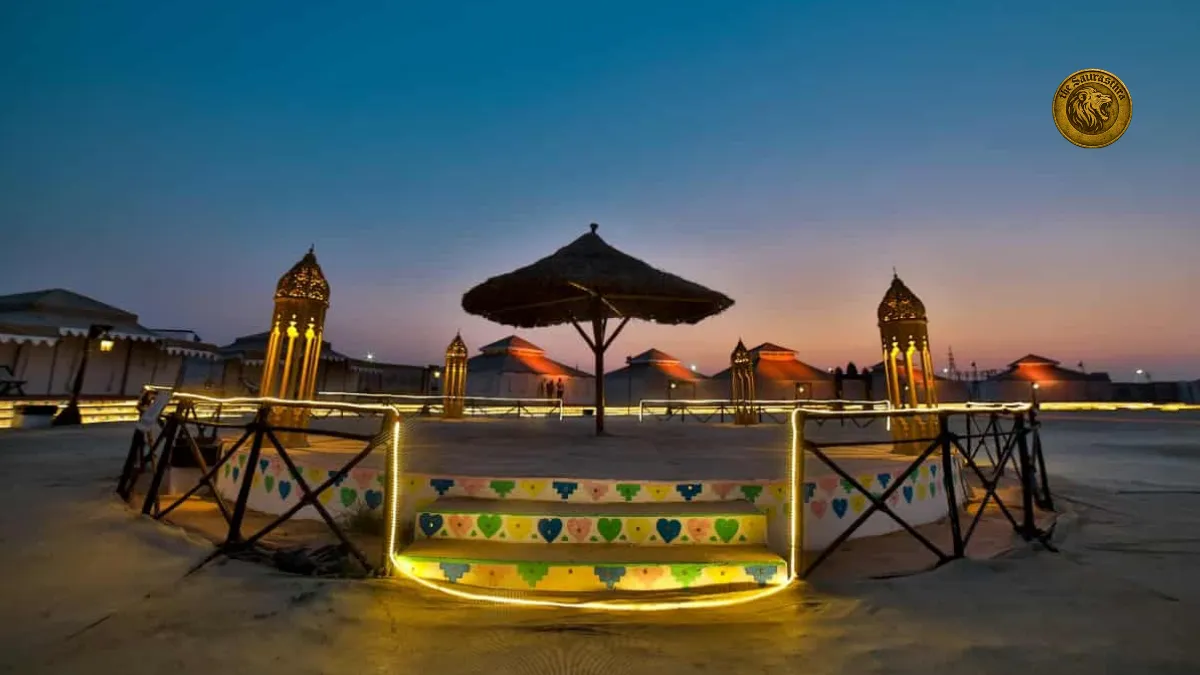
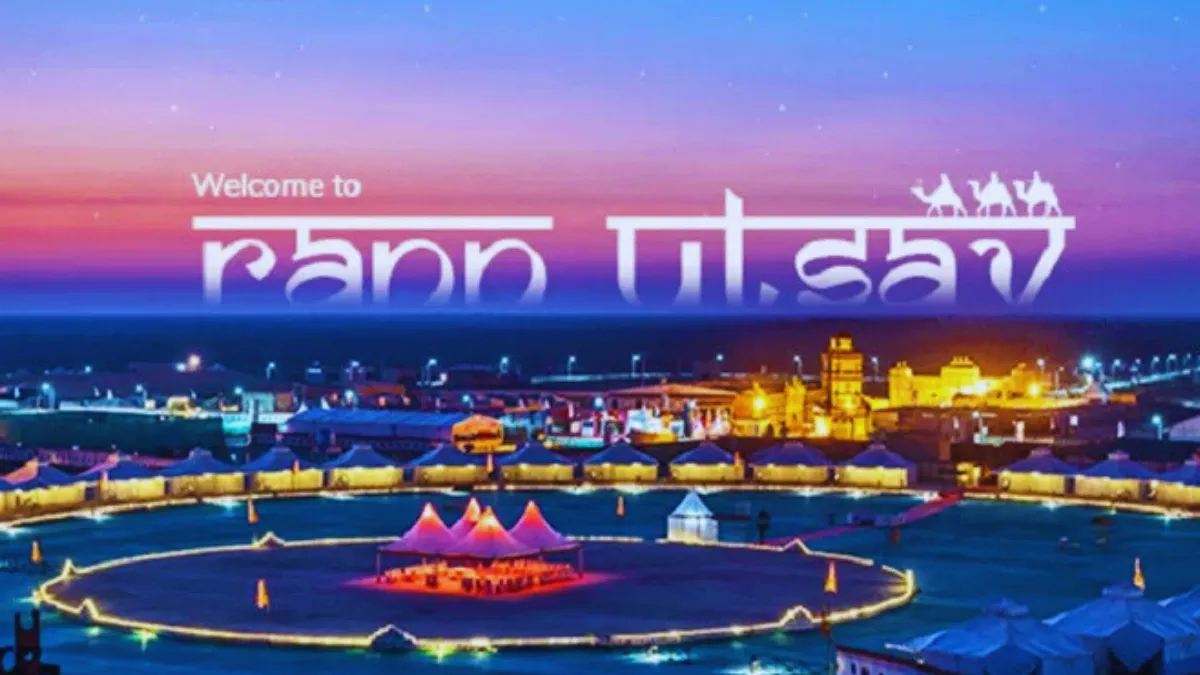
The popularity of the Rann Utsav has further elevated the fame of dhordo kutch. The festival showcases local food, crafts, adventure activities, and cultural performances. Travelers stay in tent cities designed to blend comfort with the desert’s raw charm, giving them an immersive experience of Kutchi lifestyle.
Season after season, people return for various reasons: some to witness the desert under moonlight, others to interact with master artisans, and many to simply feel the peace that comes from standing in an open white landscape unaffected by the rush of modern life.
Key Travel Information for Visiting dhordo kutch
Below is a simple and informative table containing essential details for planning a visit to dhordo kutch:
| Category | Information |
|---|---|
| Location | Dhordo Village, Kutch District, Gujarat, India |
| Nearest Major City | Bhuj (Approx. 80 km) |
| Best Time to Visit | November to February |
| Main Attraction | White Desert (Great Rann of Kutch) |
| Festival | Rann Utsav (Winter Season) |
| Entry Permit | Required for White Desert visit (issued near Dhordo checkpoint) |
| Weather | Hot days, cold nights during winter season |
| Popular Activities | Cultural shows, handicraft shopping, camel rides, photography |
| Nearby Attractions | Kalo Dungar, India Bridge, Hodka village, Bhuj city |
The Heartbeat of Local Life
Even with its growing fame, dhordo kutch retains an atmosphere of simplicity. Houses made from mud and clay, known as bhungas, display circular architecture designed to withstand harsh weather conditions and desert winds. These structures remain cozy in winter and cool in summer, showcasing the deep understanding local communities have of their environment.
Women in the village wear traditional Kutchi attire adorned with heavy embroidery and mirror work, while men often dress in turbans and dhotis that reflect the region’s identity. Daily life revolves around crafts, livestock rearing, and community gatherings, giving visitors a glimpse of a lifestyle that remains grounded in culture and tradition.
Village elders often share stories of the desert, the changing seasons, and the deep connection people feel with their land. This human connection is one of the most meaningful aspects of visiting dhordo kutch, as it reveals a world where tradition is not preserved in museums but lived every day.
The Role of dhordo kutch in Gujarat’s Tourism Growth
Over the past decade, Gujarat has invested significantly in promoting dhordo kutch as a major tourism hub. The region’s infrastructure has evolved to support larger footfall without compromising its cultural authenticity. This development has brought economic opportunities to local communities, encouraging them to revive traditional crafts and actively participate in tourism-related businesses.
The growth of dhordo kutch has also highlighted the importance of preserving natural landscapes. Authorities have taken steps to protect fragile desert ecosystems while ensuring responsible tourism practices. This balance between development and conservation is vital for sustaining the region’s unique identity.
Experiencing the White Desert at Night
Among the most unforgettable moments in dhordo kutch is witnessing the white desert under the moonlight. The salt marsh reflects the sky like a natural mirror, turning the entire landscape into a glowing expanse of silver. The silence of the desert makes the experience feel almost otherworldly.
Full-moon nights during the Rann Utsav attract thousands of visitors, yet the desert’s vastness offers space for quiet reflection. Many travelers describe the experience as meditative, a moment where the boundaries between earth and sky seem to dissolve.
Exploring Beyond dhordo kutch
Although dhordo kutch is the centerpiece of the region’s tourism, the surrounding areas offer equally engaging experiences. Kalo Dungar, the highest point in Kutch, provides panoramic views stretching into the desert. The India Bridge, located near the border, highlights the strategic importance of the region.
Nearby artisan villages like Hodka and Nirona are also popular. Nirona is especially known for Rogan art, a rare craft practiced by only a handful of families in India. Bhuj, the cultural capital of Kutch, houses museums, palaces, markets, and historical sites that offer a deeper understanding of the region’s past.
Traditions That Define dhordo kutch
The traditions of dhordo kutch reflect centuries of adaptation to the environment, shaped by both challenges and creativity. Whether through intricate embroidery, haunting folk melodies, or architectural ingenuity, these traditions form the foundation of the village’s identity. Travelers who interact with local communities gain an appreciation not only for the artistry but for the enduring spirit that defines the people of this region.
The prominence of dhordo kutch today is a reminder that even remote landscapes hold immense cultural and historical significance. As more visitors arrive each year, the responsibility to protect and preserve this heritage becomes increasingly important.
Why dhordo kutch Leaves a Lasting Impact
For many travelers, dhordo kutch is not merely a destination but a journey into a world shaped by simplicity, harmony, and resilience. The combination of its striking white desert, rich cultural expressions, and welcoming communities creates a powerful emotional connection.
The experience is unlike typical tourist spots—it encourages reflection, appreciation, and discovery. Whether exploring artisan workshops, walking across the salt desert, or watching the sunset paint the horizon with warm hues, every moment in dhordo kutch carries a sense of authenticity.
Read also: What is Saurashtra Called? A Historical and Cultural Exploration of a Timeless Region
Conclusion
dhordo kutch stands today as one of India’s most captivating cultural and natural landscapes. It offers an inspiring blend of desert beauty, human heritage, and timeless traditions that continue to draw travelers from near and far. Its evolution from a quiet village to a global tourist attraction reflects both the resilience of its people and the magnetic charm of the white desert.
As visitors discover the wonders of dhordo kutch, they carry with them stories of a place where nature and culture exist in rare harmony. The village remains a symbol of Gujarat’s rich identity and a reminder that some of the world’s most extraordinary destinations are rooted in the strength and spirit of local communities.