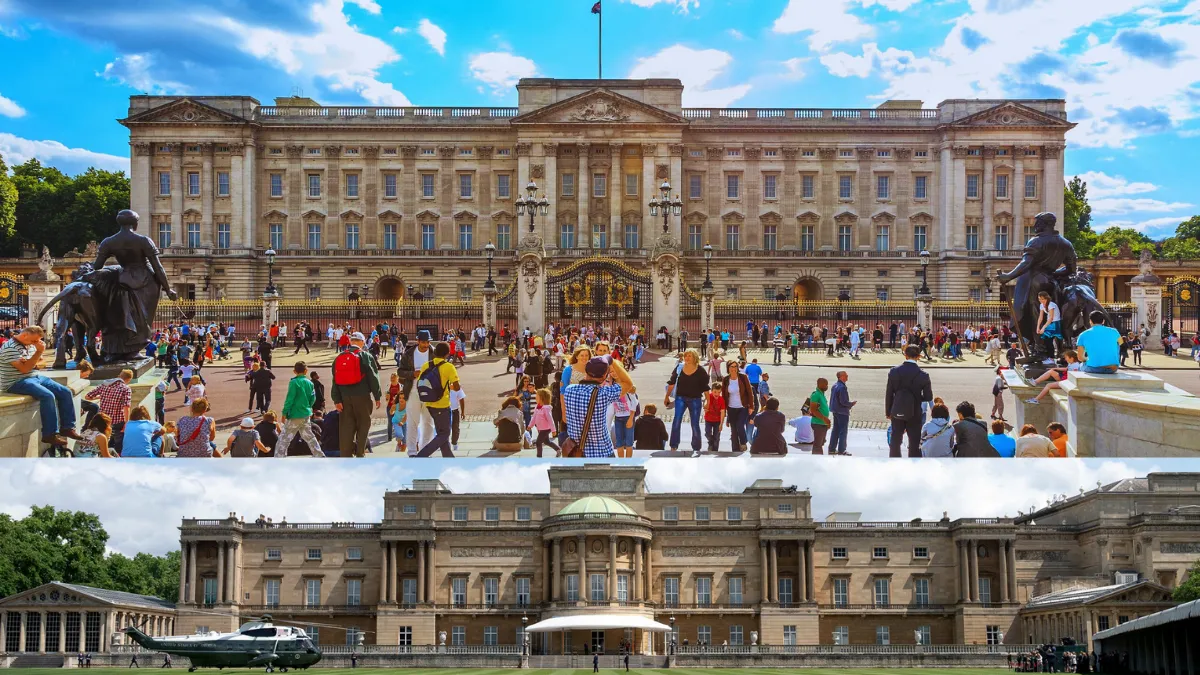
buckingham palace stands at the heart of London not only as an architectural landmark but also as a living institution that reflects centuries of British history, politics, and royal tradition. For millions around the world, it represents continuity, ceremony, and the evolving role of monarchy in a modern democracy. Far more than a grand building, it functions simultaneously as a royal residence, a working palace, and a national symbol.
Origins and Early Transformation
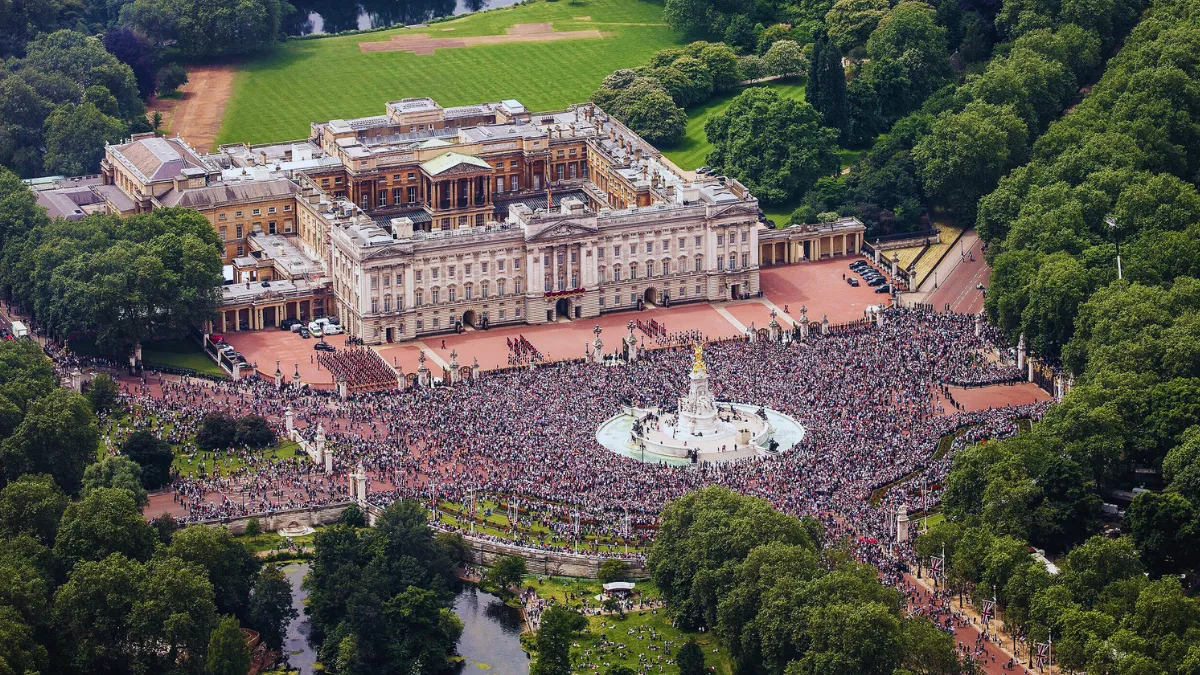
The story of buckingham palace did not begin with royalty. Originally constructed in 1703 as Buckingham House for the Duke of Buckingham, the building was a private townhouse on the outskirts of London. Its transformation into a royal residence began in 1761, when King George III acquired the property as a home for Queen Charlotte. At that time, it was still modest compared to the palaces of Europe, but its location and potential made it attractive to the crown.
Significant changes occurred during the 19th century, particularly under King George IV, who envisioned a palace worthy of imperial Britain. Architect John Nash was commissioned to expand and redesign the structure, giving it the grand scale and classical appearance that began to define it as a royal palace. Although Nash’s ambitious plans proved costly and controversial, they laid the foundation for the building recognized today.
Buckingham Palace as the Official Royal Residence
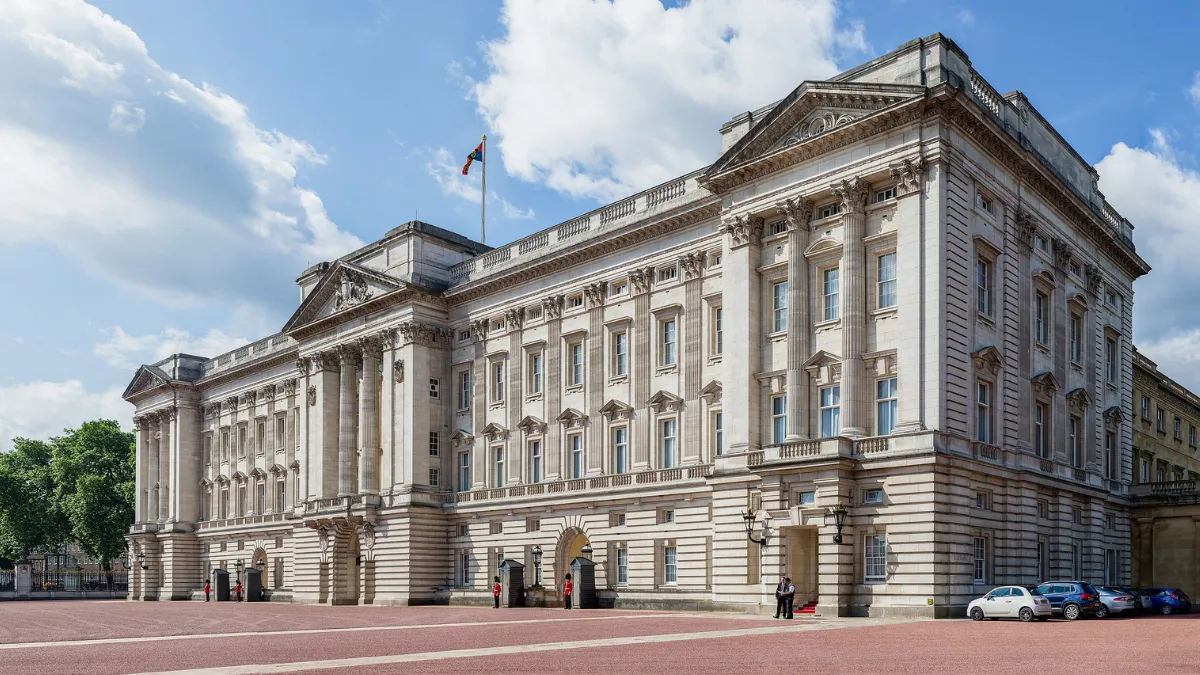
It was Queen Victoria who formally designated buckingham palace as the official London residence of the British monarch in 1837. From that moment, the palace became the epicenter of royal life. State banquets, diplomatic receptions, and ceremonial events all found a permanent home within its walls.
Over time, the palace adapted to the practical needs of monarchy. It expanded to include offices, staff quarters, and reception rooms, transforming it into a fully functioning administrative center. Today, while parts of the palace remain private, much of it is actively used for official duties, underscoring that it is not merely a historic relic but a working institution.
Architecture and Interior Spaces
Architecturally, buckingham palace reflects layers of history rather than a single artistic vision. The iconic East Front, completed in 1850, is perhaps its most recognizable façade, facing The Mall and featuring the famous balcony. This balcony has become a focal point for national celebrations, from royal weddings to jubilee appearances.
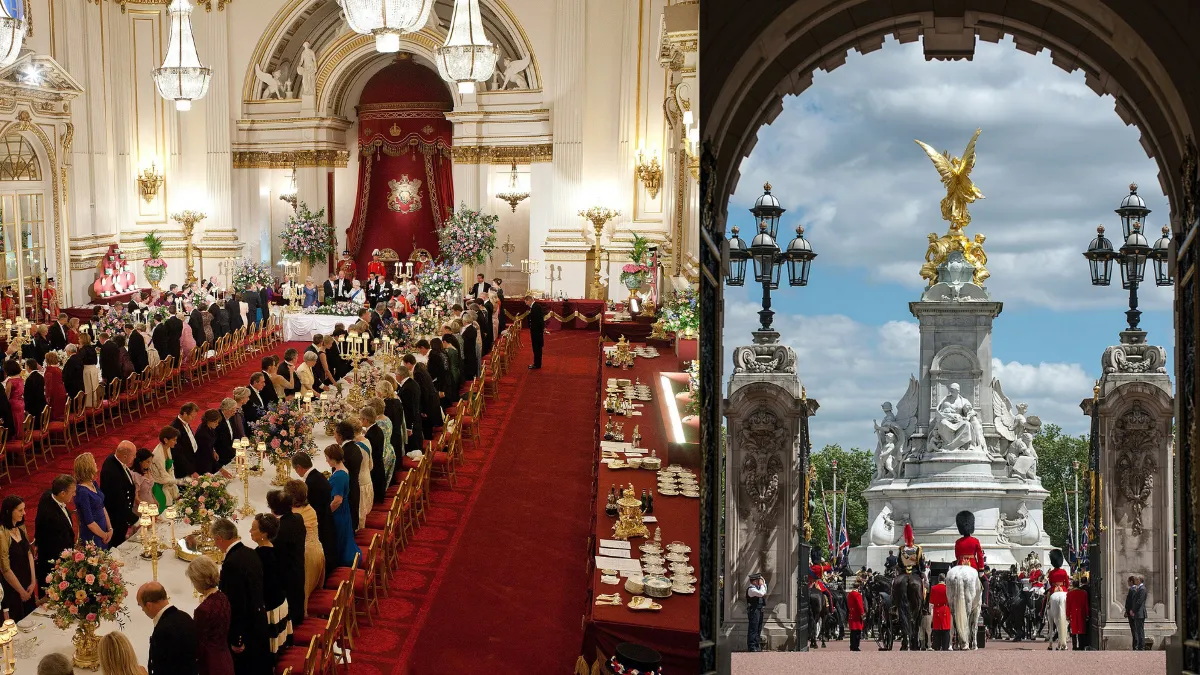
Inside, the palace contains over 700 rooms, including State Rooms used for official functions. These rooms house significant artworks, furniture, and historical artifacts from the Royal Collection. Gilded ceilings, chandeliers, and carefully curated interiors demonstrate how art and power have long been intertwined within the monarchy. Despite its grandeur, the palace has undergone modernization to meet contemporary standards, blending tradition with practicality.
The Ceremonial Role of Buckingham Palace
Few places are as closely associated with national ceremony as buckingham palace. Events such as the Changing of the Guard draw visitors daily, showcasing precision, ritual, and pageantry. State visits, during which foreign leaders are formally welcomed, highlight the palace’s diplomatic importance.
The palace also serves as a venue for honors and investitures, where citizens are recognized for contributions to public life. These ceremonies reinforce the connection between the monarchy and the people, presenting the palace not as an isolated symbol of privilege but as a space where national service is acknowledged.
Public Access and Tourism
Although it is a royal residence, buckingham palace is not entirely closed to the public. During certain periods, particularly in summer, visitors are allowed into the State King’s Rooms, offering a rare glimpse into royal life. This access has transformed the palace into one of London’s most visited attractions, generating revenue that supports the maintenance of historic properties.
Tourism has also reshaped the palace’s global image. For many international visitors, it serves as their first tangible encounter with British history. The careful balance between privacy, security, and openness reflects the monarchy’s broader challenge of remaining relevant in a transparent, media-driven world.
Key Facts About Buckingham Palace
| Aspect | Details |
|---|---|
| Location | City of Westminster, London |
| Original Construction | 1703 as Buckingham House |
| Official Royal Residence | Since 1837 |
| Number of Rooms | Over 700 |
| Primary Functions | Royal residence, ceremonies, state events |
| Public Access | Limited, seasonal State Room visits |
Buckingham Palace in Times of Change
Throughout history, buckingham palace has been shaped by moments of crisis and transformation. During World War II, it was bombed several times, symbolizing the shared hardships of the British people. Images of the damaged palace strengthened public solidarity and reinforced the monarchy’s role during national emergencies.
In the modern era, the palace has adapted to changing public expectations. Issues such as transparency, sustainability, and cost have become central to discussions about its future. Renovation projects now focus not only on preservation but also on efficiency and safety, ensuring the palace remains functional for generations to come.
Read also: The British Museum: A Living Archive of Human Civilization
Media, Culture, and Global Perception
Few buildings have been represented as widely in global media as buckingham palace. From films and documentaries to news broadcasts and literature, it occupies a central place in cultural imagination. These portrayals often oscillate between grandeur and scrutiny, reflecting public fascination with royal life.
The palace’s presence in popular culture has contributed to its mythic status. Yet behind the imagery lies a carefully managed institution that must balance symbolism with responsibility. This dual identity continues to shape how the monarchy is perceived both at home and abroad.
Read also: Tipu Sultan Original Photo British Museum: History, Myths, and the Truth Behind the Image
Conclusion: A Living Institution
buckingham palace endures because it has evolved while retaining its core symbolism. It is at once a historical monument, a workplace, and a stage for national life. Its walls have witnessed the rise and fall of empires, social change, and the transformation of monarchy itself.
As Britain continues to redefine its identity in the 21st century, the palace remains a powerful reminder of continuity amid change. Not frozen in time, it stands as a living institution—one that reflects the past, serves the present, and adapts for the future.