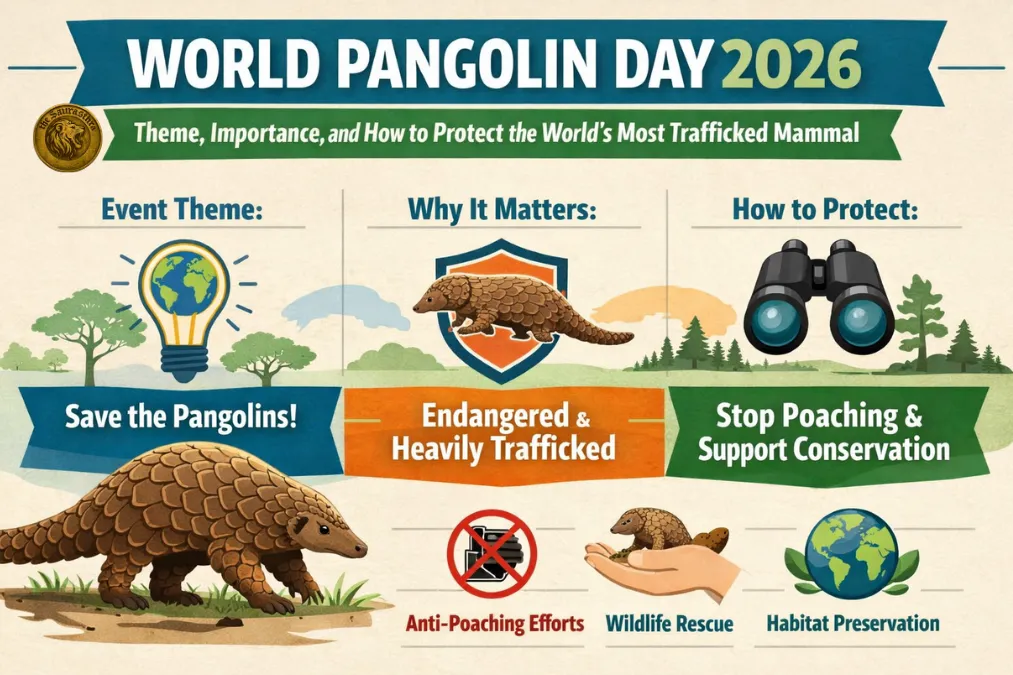
World Pangolin Day 2026 will be observed to raise global awareness about the urgent need to protect pangolins, one of the most illegally traded mammals on the planet. This important day is marked every year on the third Saturday of February, bringing together wildlife experts, conservation groups, students, and animal lovers to support pangolin protection.
In 2026, World Pangolin Day will fall on 21 February. The day serves as a reminder that despite being shy and harmless creatures, pangolins are facing serious threats due to illegal hunting and habitat destruction. Through awareness campaigns and conservation efforts, this global event encourages stronger action to safeguard these unique animals.
What Is World Pangolin Day 2026?
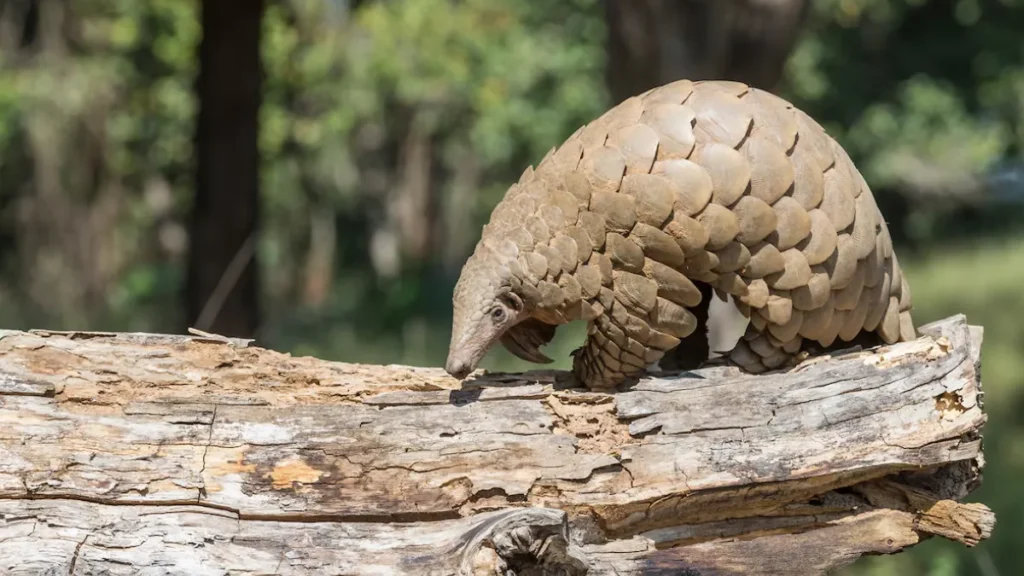
World Pangolin Day 2026 is an international awareness campaign focused on the conservation of pangolins. It was started by wildlife conservation organizations to highlight the growing dangers faced by these scaly mammals and to promote efforts to stop their illegal trade.
The day is supported by leading environmental bodies such as the International Union for Conservation of Nature and the World Wildlife Fund, along with many regional wildlife groups. Events often include educational seminars, social media awareness drives, school competitions, and wildlife documentaries.
The purpose of World Pangolin Day 2026 is not just to inform people but also to inspire meaningful action. It encourages governments to strengthen laws, communities to support conservation, and individuals to make responsible choices.
Understanding the Pangolin
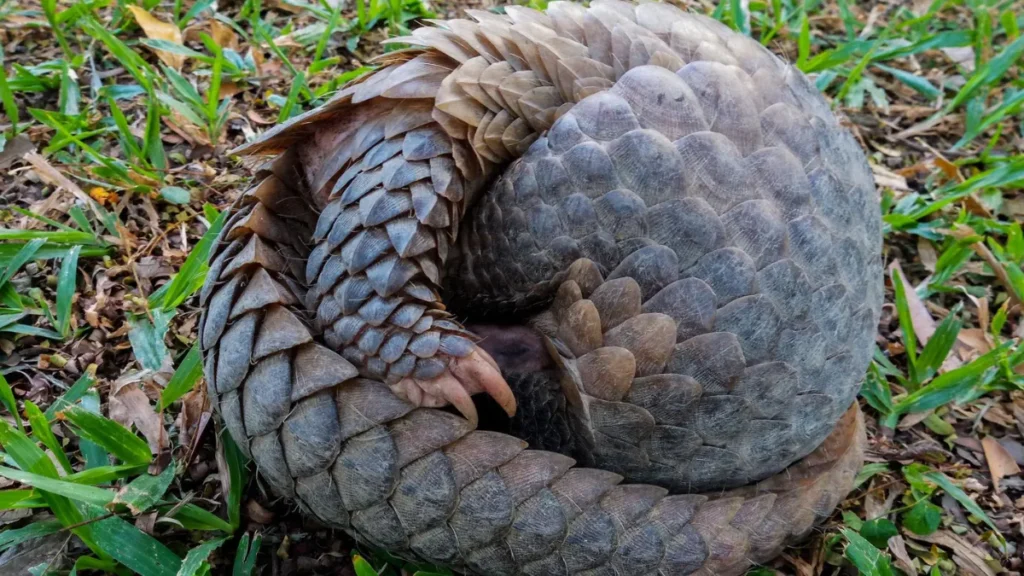
Pangolins are unique mammals covered in protective scales made from keratin, the same substance found in human nails. When they feel threatened, they roll into a tight ball to shield themselves from predators.
There are eight species of pangolins found across Asia and Africa. In India, the most recognized species is the Indian pangolin. These animals mainly feed on ants and termites, using their long, sticky tongues to catch insects.
Pangolins are quiet, non-aggressive animals that avoid human contact. Unfortunately, their defensive behavior does not protect them from poachers, making them easy targets in the illegal wildlife trade.
Why World Pangolin Day 2026 Matters
World Pangolin Day 2026 is important because pangolins are at risk of extinction. Over the past several decades, millions of pangolins have been captured and traded illegally. Their scales are used in certain traditional medicine practices, even though scientific research does not support such uses. In some regions, their meat is also consumed as a luxury item.
Besides poaching, habitat loss is another major threat. Forest clearing, urban expansion, and agricultural development reduce the natural environments where pangolins live and find food. Without safe habitats, their survival becomes increasingly difficult.
By observing World Pangolin Day 2026, conservationists aim to reduce demand for illegal wildlife products and promote stronger protection laws worldwide.
The Expected Theme of World Pangolin Day 2026
Each year, World Pangolin Day focuses on a specific conservation message. While the official theme for 2026 will be announced closer to the date, it is likely to emphasize global cooperation, habitat protection, and stricter action against wildlife trafficking.
Previous campaigns have focused on ending illegal trade and strengthening community-based conservation. World Pangolin Day 2026 is expected to continue promoting international partnerships and long-term conservation planning.
Illegal Wildlife Trade and Pangolins
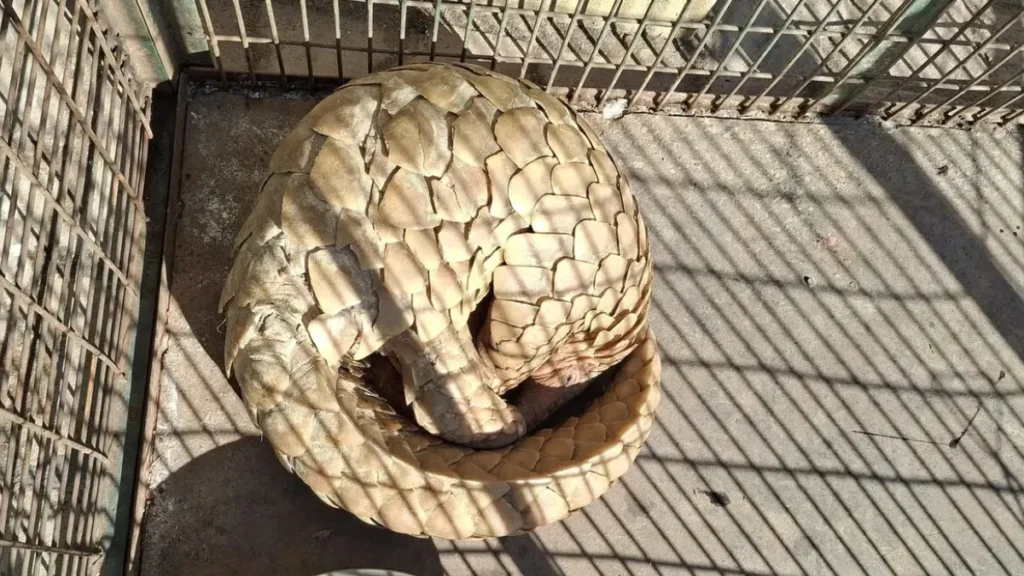
The illegal wildlife trade remains the biggest threat to pangolins. Criminal networks capture and smuggle them across borders for profit. Despite global bans, trafficking continues due to high demand in certain markets.
International agreements regulated by the Convention on International Trade in Endangered Species of Wild Fauna and Flora prohibit commercial trade of pangolins. However, enforcement challenges and limited awareness still allow illegal activities to continue.
World Pangolin Day 2026 will highlight the need for stronger border control, better monitoring systems, and strict punishment for offenders. Reducing consumer demand is equally important in ending the trade.
Pangolins in India
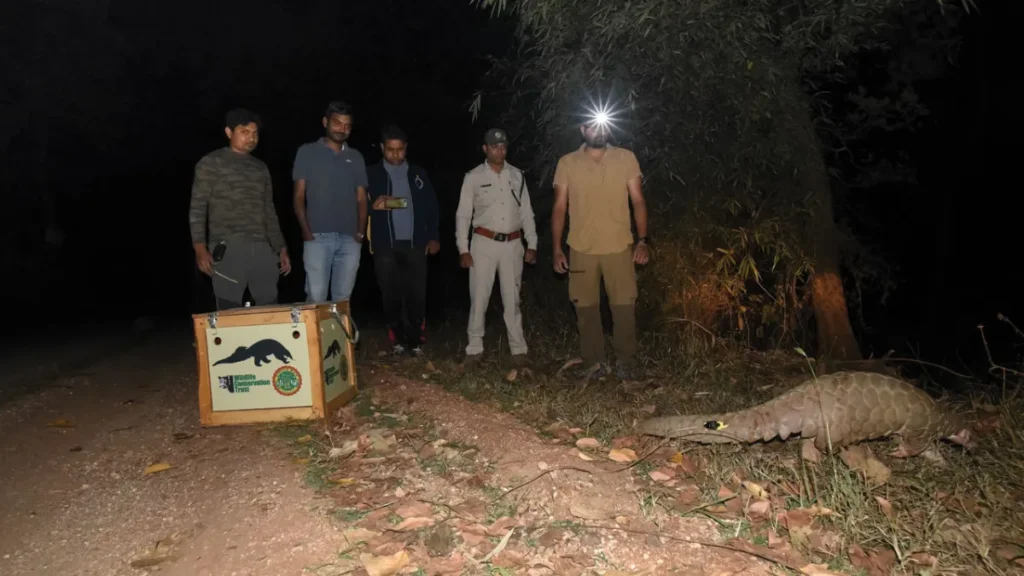
India is home to the Indian pangolin, which is legally protected under national wildlife laws. Despite strict protection, illegal hunting cases are occasionally reported.
Indian forest departments and wildlife NGOs are working hard to rescue captured pangolins and rehabilitate them in safe environments. Awareness programs in rural areas are helping reduce poaching and promote conservation.
World Pangolin Day 2026 in India will likely involve educational events, public awareness campaigns, and online initiatives to encourage citizens to support wildlife protection.
Ecological Role of Pangolins
Pangolins play a crucial role in maintaining ecological balance. By feeding on large numbers of ants and termites, they naturally control insect populations. This helps farmers protect crops and supports healthy forest ecosystems.
Their digging activities improve soil aeration and nutrient mixing, which benefits plant growth. Losing pangolins could disrupt this natural balance and negatively impact local environments.
World Pangolin Day 2026 reminds us that protecting pangolins also protects broader ecosystems.
How Communities Can Participate in World Pangolin Day 2026
Schools can organize educational sessions to teach children about wildlife conservation. Activities such as poster-making competitions, debates, and essay writing help spread awareness among young learners.
Local communities can host awareness walks, conservation talks, and online campaigns. Sharing reliable information through social media can quickly reach thousands of people.
Supporting wildlife conservation organizations through donations or volunteer work is another meaningful way to contribute.
What Individuals Can Do to Help
Every individual can play a role in protecting pangolins. Avoid purchasing products made from wildlife parts and support ethical, eco-friendly alternatives.
Stay informed about conservation issues and share accurate information with others. Reporting suspicious wildlife trade activities to authorities can also make a significant difference.
World Pangolin Day 2026 encourages people to take small but impactful steps that contribute to global conservation efforts.
Government and Global Cooperation
Governments must continue strengthening wildlife protection laws and improving enforcement systems. International collaboration is essential to stop cross-border trafficking.
Investing in forest conservation, research programs, and community education helps ensure long-term protection for pangolins. World Pangolin Day 2026 provides an opportunity for policymakers to renew their commitment to wildlife preservation.
Challenges Ahead
Despite increased awareness, pangolin conservation faces ongoing challenges. Limited funding, organized wildlife crime networks, and habitat destruction continue to threaten their survival.
Climate change may also affect their natural habitats and food sources. Addressing these issues requires long-term planning, consistent funding, and strong international cooperation.
World Pangolin Day 2026 serves as a platform to discuss these challenges and find practical solutions.
Also read: World Pulses Day 2026: Why World Pulses Day Matters for Health, Farmers, and the Planet
Looking Toward the Future
The survival of pangolins depends on collective global action. Conservation success stories from other species show that positive change is possible when awareness, laws, and community efforts work together.
By observing World Pangolin Day 2026 with dedication and responsibility, we can help secure a safer future for these extraordinary animals.
Protecting pangolins means protecting biodiversity, ecosystems, and the balance of nature itself. Through awareness, education, and action, we can ensure that future generations continue to share the planet with these remarkable creatures.