The first Arjuna Award winner holds a special place in Indian sports history because this honour marked the beginning of India’s official recognition of sporting excellence. When the Government of India introduced the Arjuna Award in 1961, it aimed to motivate athletes and celebrate outstanding performance at the national and international levels.
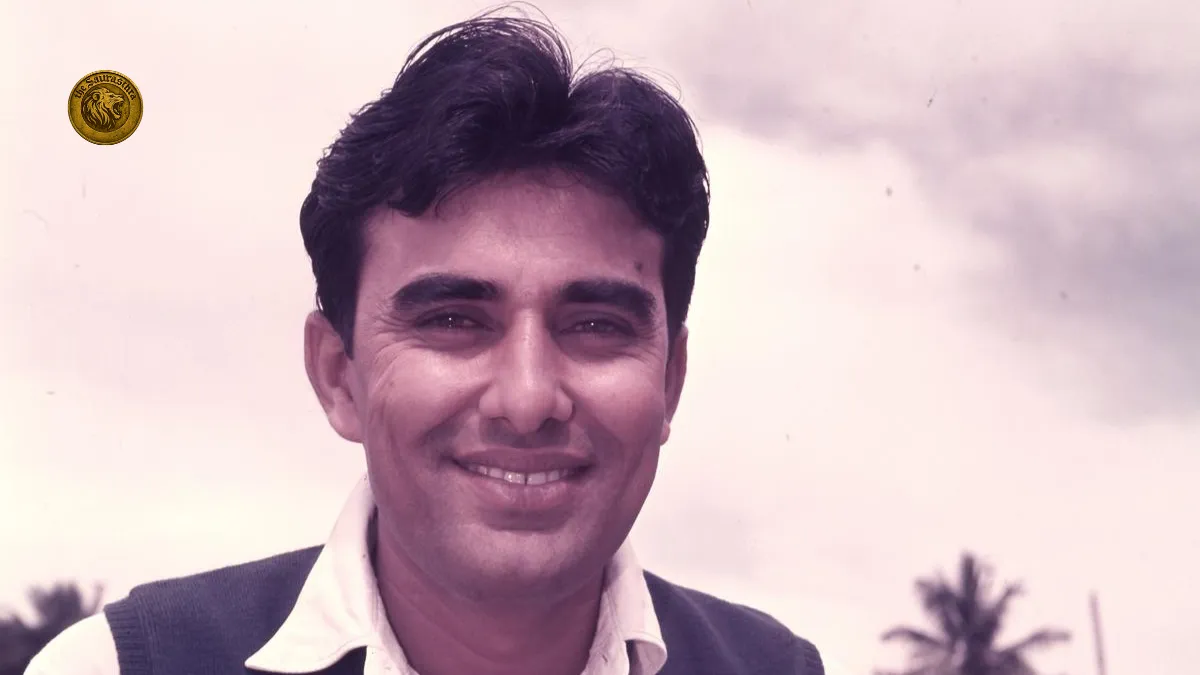
The first Arjuna Award winner is widely remembered as Salim Durani, the legendary Indian cricketer, who became one of the earliest recipients of this prestigious award. His achievement opened the door for generations of Indian sportspersons to be honoured for dedication, discipline, and excellence.
This article explains in detail who the first Arjuna Award winner was, why the award was started, its early history, selection process, and the long-lasting impact it has had on Indian sports.
Introduction to the Arjuna Award
The Arjuna Award is one of India’s highest sporting honours. It is presented every year by the President of India to recognize exceptional achievements in sports.
The award is named after Arjuna, the great warrior from the Mahabharata, who symbolises focus, courage, discipline, and skill. These qualities perfectly reflect the values expected from Indian athletes.
Since its beginning in 1961, the award has played a major role in encouraging sports culture across the country.
First Arjuna Award Winner in India
The first Arjuna Award winner was Salim Durani, who received the honour in 1961 for his remarkable contribution to Indian cricket.
Although multiple athletes were awarded in the very first year, Salim Durani is most commonly recognized as the first Arjuna Award winner because of his popularity, international impact, and historical importance in Indian cricket.
He became a symbol of sporting excellence during a time when Indian sports had limited global exposure.
Who Was Salim Durani?
Salim Moizuddin Abdul Ali Durani was born on 11 December 1934 in Kabul, Afghanistan. He later moved to India and represented the Indian national cricket team during the 1960s and early 1970s.
He was known for his fearless batting style, powerful six-hitting ability, and left-arm spin bowling. What made him special was his ability to entertain crowds while delivering match-winning performances.
His performances brought excitement to Indian cricket at a time when the sport was still developing in the country.
Why Salim Durani Became the First Arjuna Award Winner
Salim Durani earned the Arjuna Award due to several outstanding achievements:
He consistently performed at the international level against strong teams like England, West Indies, and Australia.
He played a key role in India’s overseas victories, especially in difficult conditions.
He was among the few Indian cricketers of that era who could change the course of a match single-handedly.
His contribution helped Indian cricket gain respect on the global stage.
Because of these reasons, Salim Durani became the first Arjuna Award winner associated with cricket.
Arjuna Award Year 1961: The Beginning
The year 1961 marked the historic launch of the Arjuna Award. In that year, the Government of India selected outstanding athletes from multiple sports.
Some of the earliest recipients included:
Salim Durani for cricket
P. K. Banerjee for football
Gurbachan Singh Randhawa for athletics
However, Salim Durani’s recognition became the most widely remembered, leading him to be popularly known as the first Arjuna Award winner in Indian sports history.
Importance of the First Arjuna Award Winner
The first Arjuna Award winner represented much more than individual success. It symbolised a national commitment toward sports development.
Before 1961, Indian athletes received very little formal recognition. The introduction of this award created a new identity for sportspersons and motivated young talent across the nation.
Salim Durani’s achievement showed that sporting excellence could bring national honour and long-term respect.
Selection Process of the Arjuna Award
The selection process for the Arjuna Award is highly structured and transparent.
A committee formed by the Ministry of Youth Affairs and Sports evaluates nominations based on:
International performance
Consistency over the previous four years
Leadership qualities
Discipline and sportsmanship
The recommendation is then sent for final approval before being presented by the President of India.
This system, which began with the first Arjuna Award winner, continues even today with strict evaluation standards.
What Does the Arjuna Award Include?
The Arjuna Award consists of:
A bronze statue of Arjuna
A certificate of honour
A ceremonial dress
A cash prize determined by the government
These components represent respect, tradition, and national pride.
The structure of the award has remained largely unchanged since the time of the first Arjuna Award winner.
Salim Durani’s Contribution to Indian Cricket
Salim Durani played 29 Test matches for India between 1960 and 1973.
Some of his notable achievements include:
Scoring crucial runs under pressure
Taking important wickets as a spin bowler
Helping India win matches overseas
Becoming a crowd favourite for his fearless sixes
He was one of the few cricketers whose name spectators would chant in stadiums, asking him to hit sixes on demand.
This popularity made his Arjuna Award recognition even more special.
Public Love and Popularity
One unique aspect of the first Arjuna Award winner was his strong bond with fans.
Crowds often shouted “Durani, sixer” from the stands, and he frequently delivered. This connection between player and audience was rare in that era.
His sportsmanship, humility, and approachable personality earned him respect beyond statistics.
How the Arjuna Award Changed Indian Sports
The introduction of the award after recognising the first Arjuna Award winner created long-term changes:
Athletes began receiving national attention
Sports careers gained social respect
Government investment in sports increased
Young players found motivation to compete internationally
The award helped transform sports from a hobby into a respectable profession in India.
Growth of the Arjuna Award After 1961
After the first year, the number of awardees gradually increased to include women athletes and lesser-known sports.
Over the decades, the Arjuna Award has honoured athletes from:
Hockey
Athletics
Wrestling
Badminton
Boxing
Weightlifting
Shooting
Archery
Chess
Para sports
This expansion followed the strong foundation laid by the first Arjuna Award winner.
Difference Between Arjuna Award and Major Dhyan Chand Khel Ratna
Many people confuse the Arjuna Award with the Khel Ratna Award.
The Arjuna Award recognises consistent performance over several years.
The Major Dhyan Chand Khel Ratna Award honours the highest level of sporting achievement.
The Arjuna Award came first in history, starting in 1961 with its first recipient, while the Khel Ratna was introduced later in 1991.
Legacy of the First Arjuna Award Winner
The legacy of the first Arjuna Award winner continues to inspire Indian athletes even today.
Salim Durani showed that talent combined with dedication can earn national respect. His achievement became a benchmark for excellence.
Every Arjuna Award ceremony still reflects the values he represented: commitment, courage, and consistency.
Interesting Facts About the First Arjuna Award Winner
Salim Durani was one of the few Indian cricketers born outside India to represent the national team.
He was known equally for his batting and bowling abilities.
He remained active in Indian domestic cricket long after his international career.
Even decades later, his name is associated with the origin of India’s sporting honours.
Why the First Arjuna Award Winner Is Still Relevant Today
Modern Indian athletes enjoy advanced training facilities, sponsorships, and international exposure. None of this existed in 1961.
The success of today’s champions is built on the foundation laid by early sports heroes like Salim Durani.
Remembering the first Arjuna Award winner helps us understand how far Indian sports has come.
Role of the Arjuna Award in Youth Inspiration
For young athletes, the Arjuna Award is not just a trophy. It is a dream.
The story of the first Arjuna Award winner proves that excellence can emerge even with limited resources if dedication is strong.
Many Olympic and world champions of India have openly stated that receiving the Arjuna Award was one of the proudest moments of their careers.
Challenges Faced by Early Award Winners
During the 1960s, athletes faced:
Limited training infrastructure
Minimal financial support
Lack of sports science
Few international opportunities
Despite these challenges, the first Arjuna Award winner achieved excellence, making his accomplishment even more remarkable.
Contribution Beyond Playing Career
After retiring from cricket, Salim Durani remained involved in sports promotion and mentoring.
His experience helped guide younger players and strengthen India’s sporting ecosystem.
This lifelong service to sports further justified his recognition as the first Arjuna Award winner.
Read also: WPL First Century Player Name: Complete Story of the Historic Record
Conclusion
The story of the first Arjuna Award winner is not just about one athlete receiving a trophy. It marks the beginning of a national movement to honour sporting excellence in India.
Salim Durani’s recognition in 1961 laid the foundation for one of the country’s most respected sports awards. His achievements, popularity, and dedication set the standard for generations to follow.
Today, when India celebrates Olympic medals, world championships, and global sporting success, it all traces back to that historic moment when the first Arjuna Award winner was honoured.
His legacy continues to inspire athletes, remind the nation of its sporting roots, and strengthen the spirit of Indian sports for the future.