Kathiawar peninsula is a historic and culturally rich region of western India that has played an important role in shaping the identity of Gujarat and the wider Indian subcontinent. Kathiawar peninsula is known for its deep-rooted traditions, royal heritage, diverse landscapes, and strong cultural values that continue to influence daily life even today.
Located along the western coast of India, this peninsula has witnessed ancient civilizations, powerful kingdoms, colonial influence, and the rise of modern India. Its story is not just about land and geography, but about people, languages, faith, trade, and resilience that have evolved over centuries.
Geographical Location and Natural Boundaries of Kathiawar Peninsula
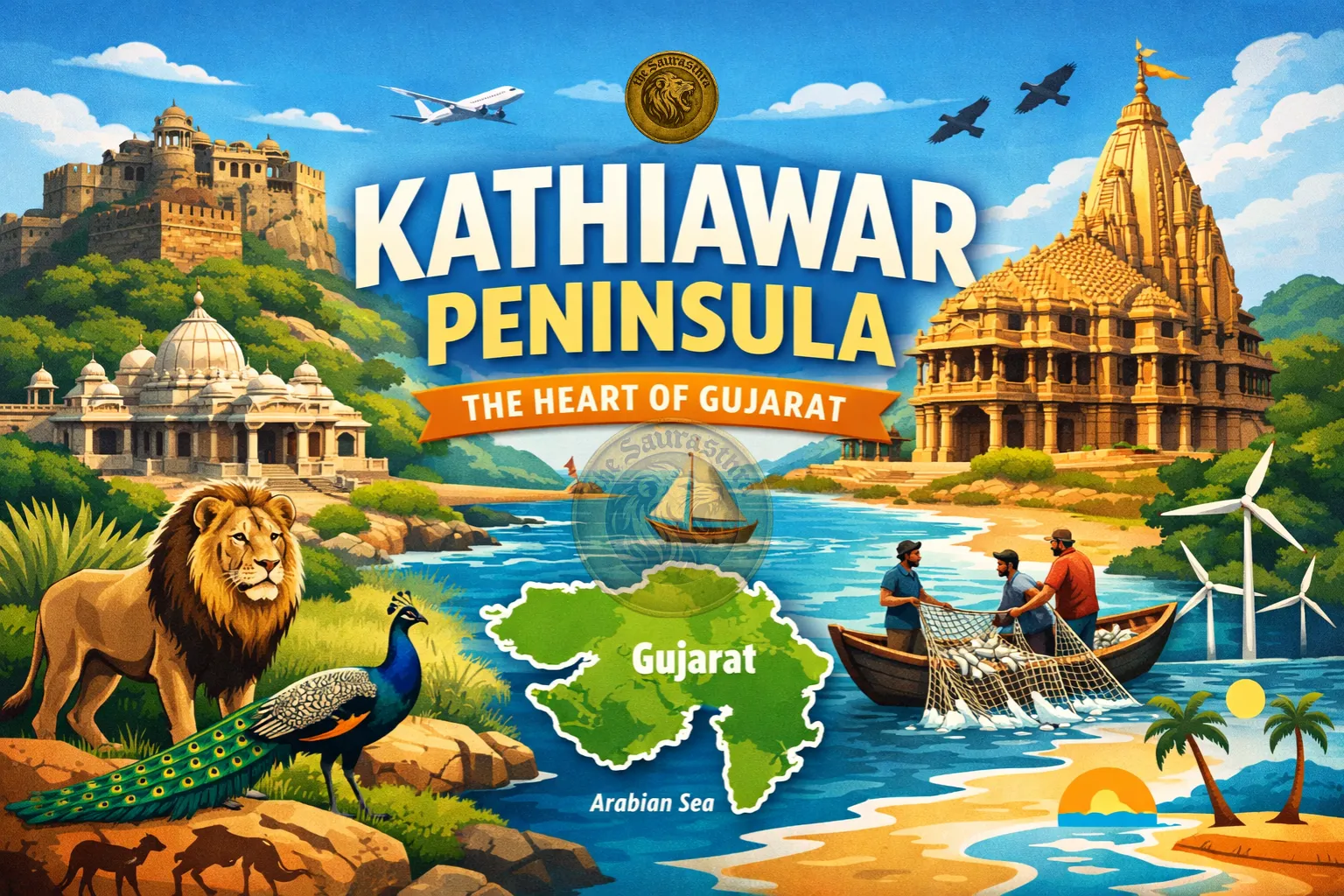
The kathiawar peninsula is situated in the western part of India and forms a large portion of the state of Gujarat. It is surrounded by the Arabian Sea on three sides, making it one of the most prominent peninsulas in the country.
To the north, the region connects with mainland Gujarat, while the coastline stretches across vast distances, creating natural harbors and fertile fishing grounds. The geography includes dry plains, rolling hills, rocky coastlines, and forested areas that support wildlife and agriculture.
The Gir forest area, rivers like Hiran and Shetrunji, and coastal belts together make the kathiawar peninsula environmentally diverse despite its semi-arid climate.
Historical Background of the Kathiawar Peninsula
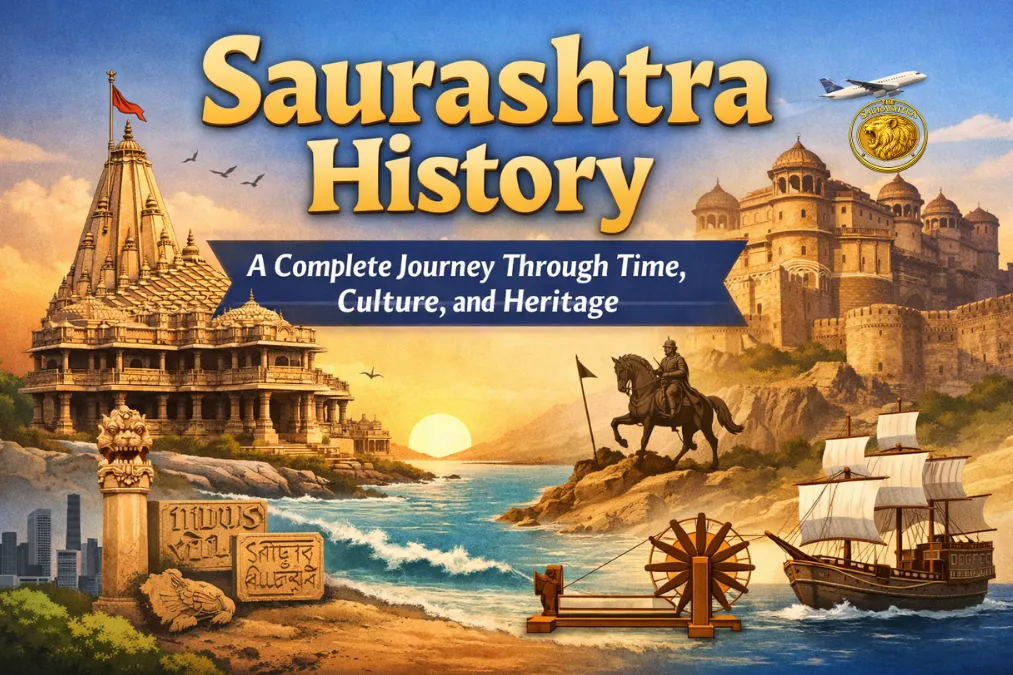
The history of the kathiawar peninsula goes back thousands of years. Archaeological evidence suggests that early settlements existed here during the Indus Valley Civilization period. Over time, the region became home to various dynasties, clans, and princely states.
Rajput rulers dominated the region for centuries, establishing kingdoms that valued honor, bravery, and loyalty. The peninsula later came under the influence of the Maratha Empire, followed by British colonial rule, during which Kathiawar consisted of many princely states under indirect British administration.
After India gained independence in 1947, these princely states were merged into the Indian Union, forming part of modern Gujarat.
Origin of the Name Kathiawar Peninsula
The name Kathiawar is derived from the Kathis, a warrior community that once held significant power in the region. Over time, their influence became so strong that the entire peninsula came to be known by their name.
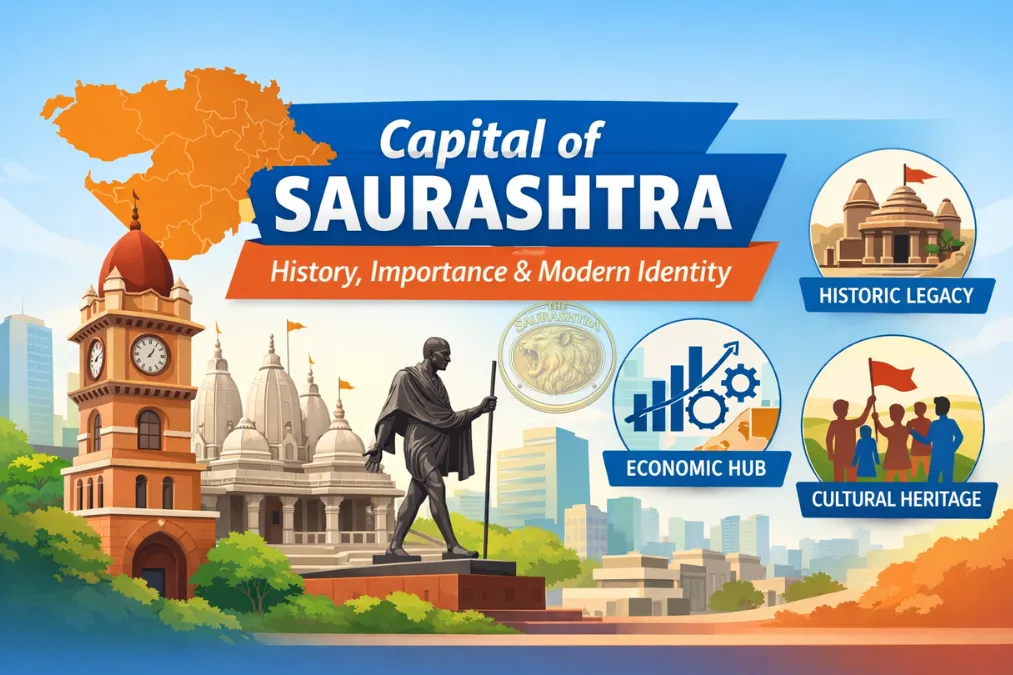
Historically, the region was also referred to as Saurashtra, a name that is still used officially and culturally. Today, both names are commonly recognized, though kathiawar peninsula remains deeply associated with heritage, tradition, and regional pride.
Cultural Identity of Kathiawar Peninsula
The kathiawar peninsula is famous for its strong cultural identity. People from this region are known for their hospitality, simplicity, and deep respect for traditions. Family values, community bonding, and social harmony are central to life here.
Festivals such as Navratri, Janmashtami, and Diwali are celebrated with enthusiasm, featuring traditional music, dance, and rituals that reflect centuries-old customs. Folk dances like Garba and Raas are an important part of cultural expression.
The region’s cultural practices reflect a blend of Rajput valor, devotional spirituality, and rural simplicity.
Languages Spoken in Kathiawar Peninsula
Gujarati is the primary language spoken across the kathiawar peninsula, but the local Kathiawadi dialect holds a special place in everyday communication. Kathiawadi is expressive, bold, and deeply rooted in local culture.
Hindi and English are also understood, especially in urban areas, while older generations preserve traditional expressions that reflect the region’s history and lifestyle.
Economy and Livelihood in Kathiawar Peninsula
The economy of the kathiawar peninsula has traditionally been based on agriculture, animal husbandry, and trade. Crops like groundnut, cotton, wheat, and millet are widely cultivated depending on rainfall and soil conditions.
Dairy farming plays a major role, with cattle and buffalo rearing being common across villages. Coastal areas depend heavily on fishing, salt production, and marine trade.
In recent decades, industries such as cement, textiles, chemicals, and renewable energy have grown, contributing to employment and economic development.
Religious and Spiritual Importance of Kathiawar Peninsula
Religion has always played a central role in the kathiawar peninsula. The region is home to many important Hindu, Jain, and Islamic religious sites that attract devotees from across India.
Temples dedicated to Krishna, Shiva, and other deities reflect deep devotional traditions. Jain temples showcase architectural excellence and spiritual discipline, while Sufi shrines highlight communal harmony.
The spiritual atmosphere of the region continues to guide social values, ethics, and daily routines.
Art, Architecture, and Royal Heritage
The kathiawar peninsula is renowned for its forts, palaces, stepwells, and temples that display a unique blend of Rajput, Mughal, and colonial architectural styles. Many princely families built grand structures that still stand as symbols of artistic excellence.
Stone carvings, intricate jharokhas, and ornate pillars reveal the craftsmanship of local artisans. Traditional arts such as embroidery, beadwork, and metal crafts continue to flourish in rural communities.
Food Culture of Kathiawar Peninsula
Food in the kathiawar peninsula is simple, flavorful, and deeply connected to local ingredients. Traditional meals often include bajra roti, garlic chutney, kadhi, vegetables, and dairy products.
The cuisine is known for its balance of spices, use of buttermilk, and reliance on seasonal produce. Sweets made from jaggery and milk are commonly prepared during festivals and special occasions.
Food here reflects the region’s climate, agricultural patterns, and cultural values of sharing and hospitality.
Climate and Environmental Conditions
The kathiawar peninsula experiences a hot and dry climate for most of the year, with moderate rainfall during the monsoon season. Summers can be intense, while winters are mild and pleasant.
Despite limited rainfall, traditional water conservation systems like stepwells, tanks, and rainwater harvesting have supported agriculture and settlements for centuries. Environmental awareness and conservation efforts are gaining importance in modern times.
Role of Kathiawar Peninsula in India’s Freedom Movement
The kathiawar peninsula contributed significantly to India’s struggle for independence. Many leaders, thinkers, and reformers from this region actively participated in freedom movements and social reforms.
The values of courage, sacrifice, and non-violence deeply influenced political thought and action, leaving a lasting impact on national history.
Modern Development and Urban Growth
Today, the kathiawar peninsula is witnessing steady urban growth and infrastructural development. Cities are expanding with better roads, ports, education institutions, and healthcare facilities.
Industrial zones and tourism projects are creating new opportunities while efforts are being made to preserve cultural heritage and environmental balance.
Tourism Potential of Kathiawar Peninsula
Tourism plays an important role in showcasing the beauty and heritage of the kathiawar peninsula. Visitors are drawn to its historic cities, wildlife sanctuaries, temples, beaches, and cultural festivals.
The region offers a unique experience that combines history, spirituality, nature, and traditional lifestyles, making it attractive for both domestic and international travelers.
Social Structure and Community Life
Community life in the kathiawar peninsula is built on cooperation, respect, and shared responsibilities. Villages function through strong social bonds where traditions guide everyday interactions.
Elders are respected, customs are followed with pride, and community events strengthen unity. Even in cities, people maintain close ties with their native villages.
Also read: What Is Kathiawar? A Complete and Simple Guide to the Historic Region of Gujarat
Future of Kathiawar Peninsula
The future of the kathiawar peninsula lies in balanced development that respects tradition while embracing progress. Sustainable agriculture, clean energy, education, and cultural preservation are key areas of focus.
As the region continues to grow, its people remain deeply connected to their roots, ensuring that the essence of kathiawar peninsula remains alive for generations to come.
Also read: What Is Saurashtra: History, Culture, Geography, and Importance of the Region
Conclusion
The kathiawar peninsula is more than a geographical region; it is a living heritage shaped by history, culture, faith, and resilience. From ancient civilizations to modern development, it has continuously evolved while preserving its unique identity.
With its rich traditions, diverse landscapes, and strong community values, the kathiawar peninsula stands as a powerful symbol of regional pride and cultural continuity in India.