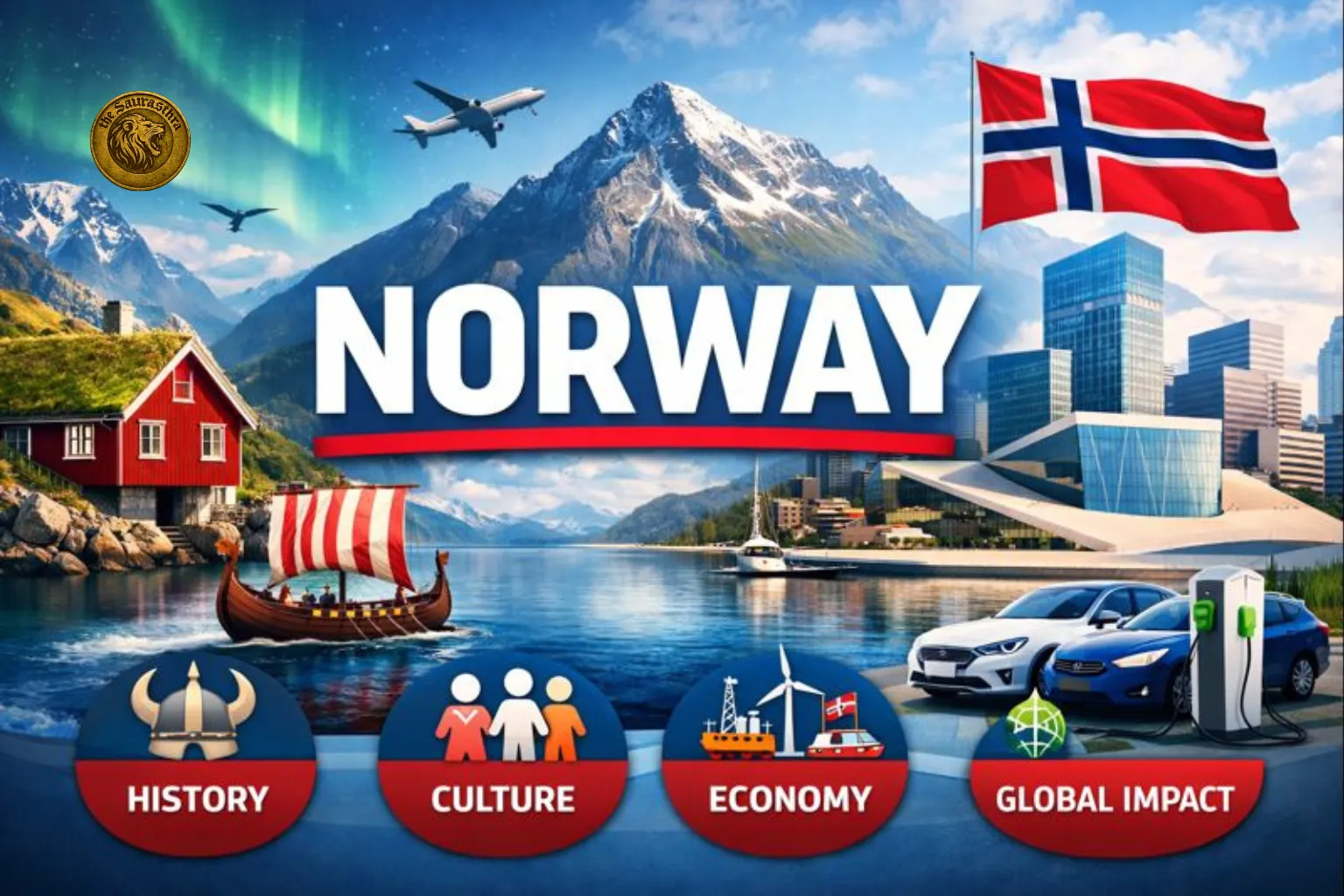
Norway is a country defined as much by its rugged land as by its people. Stretching along the western edge of the Scandinavian Peninsula, Norway occupies a unique position in Northern Europe, where towering mountains meet deep fjords and long winters shape both lifestyle and history. Known globally for its dramatic natural beauty, Norway’s geography has influenced its economy, culture, settlement patterns, and global identity for centuries.
This article explores the geographic foundations of Norway, including its physical landscape, climate zones, natural regions, and environmental characteristics that continue to define the nation’s role in Europe and the wider world.
Norway’s Location and Geographic Significance
Norway lies in Northern Europe, forming the western portion of the Scandinavian Peninsula. It shares land borders with Sweden to the east, Finland to the northeast, and Russia to the far northeast. To the west and north, Norway faces the North Atlantic Ocean, the Norwegian Sea, and the Barents Sea, giving the country one of the longest and most complex coastlines in the world.
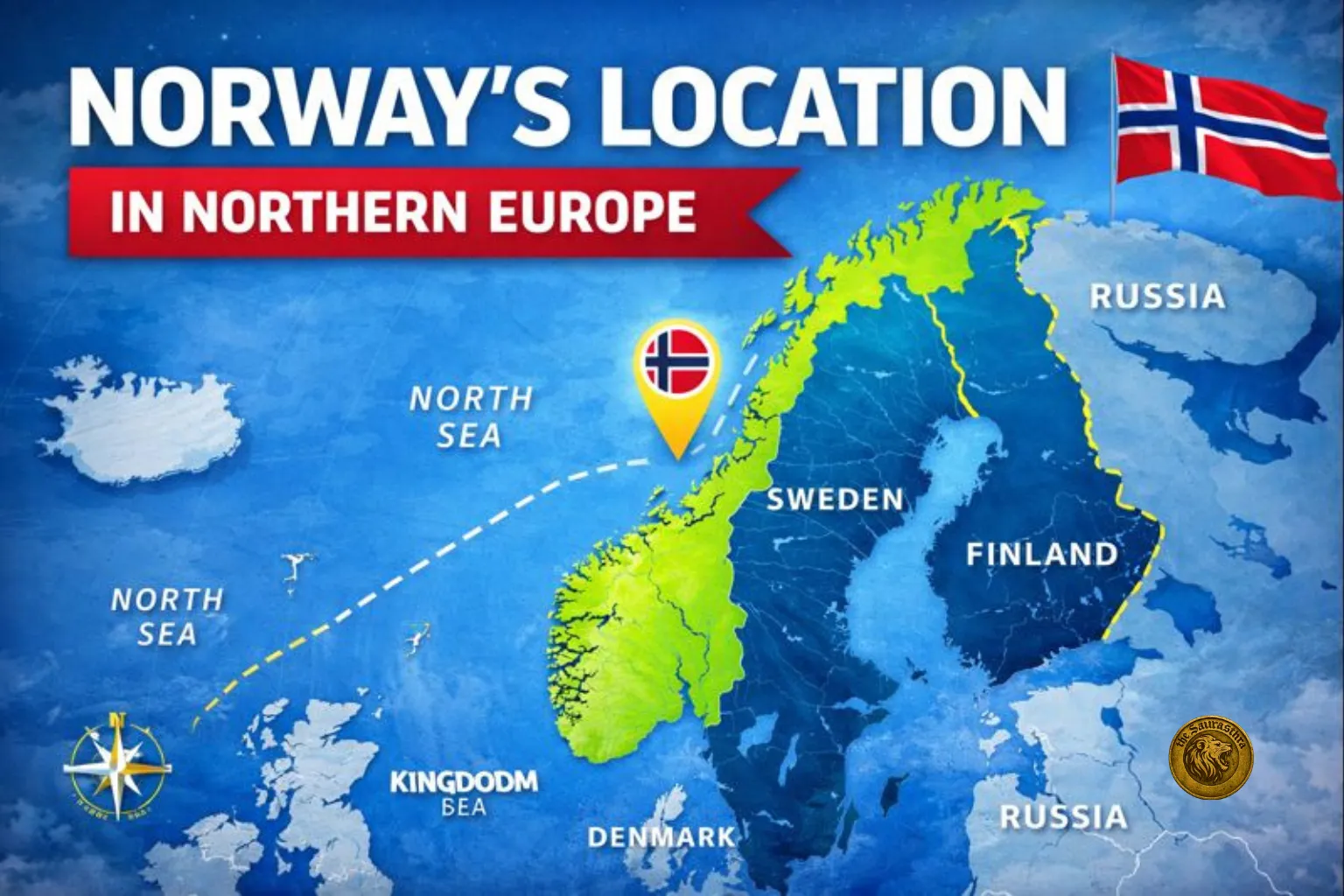
Despite its northern latitude, Norway has historically maintained strong connections with continental Europe through maritime trade. Its coastline, stretching for more than 25,000 kilometers when including fjords and islands, has served as both a gateway and a shield, shaping Norway’s seafaring traditions.
The Shape of the Land: Mountains, Fjords, and Plateaus
Norway’s terrain is dominated by mountains and high plateaus, the result of ancient geological processes and repeated glaciation during the Ice Ages. The Scandinavian Mountains, often called the Scandes, run along much of the country’s length, forming a natural barrier between Norway and Sweden.
Fjords: Norway’s Natural Signature
Among Norway’s most recognizable features are its fjords—long, narrow inlets carved by glaciers and filled with seawater. These fjords penetrate deep into the mainland, creating dramatic landscapes of steep cliffs and calm waters.
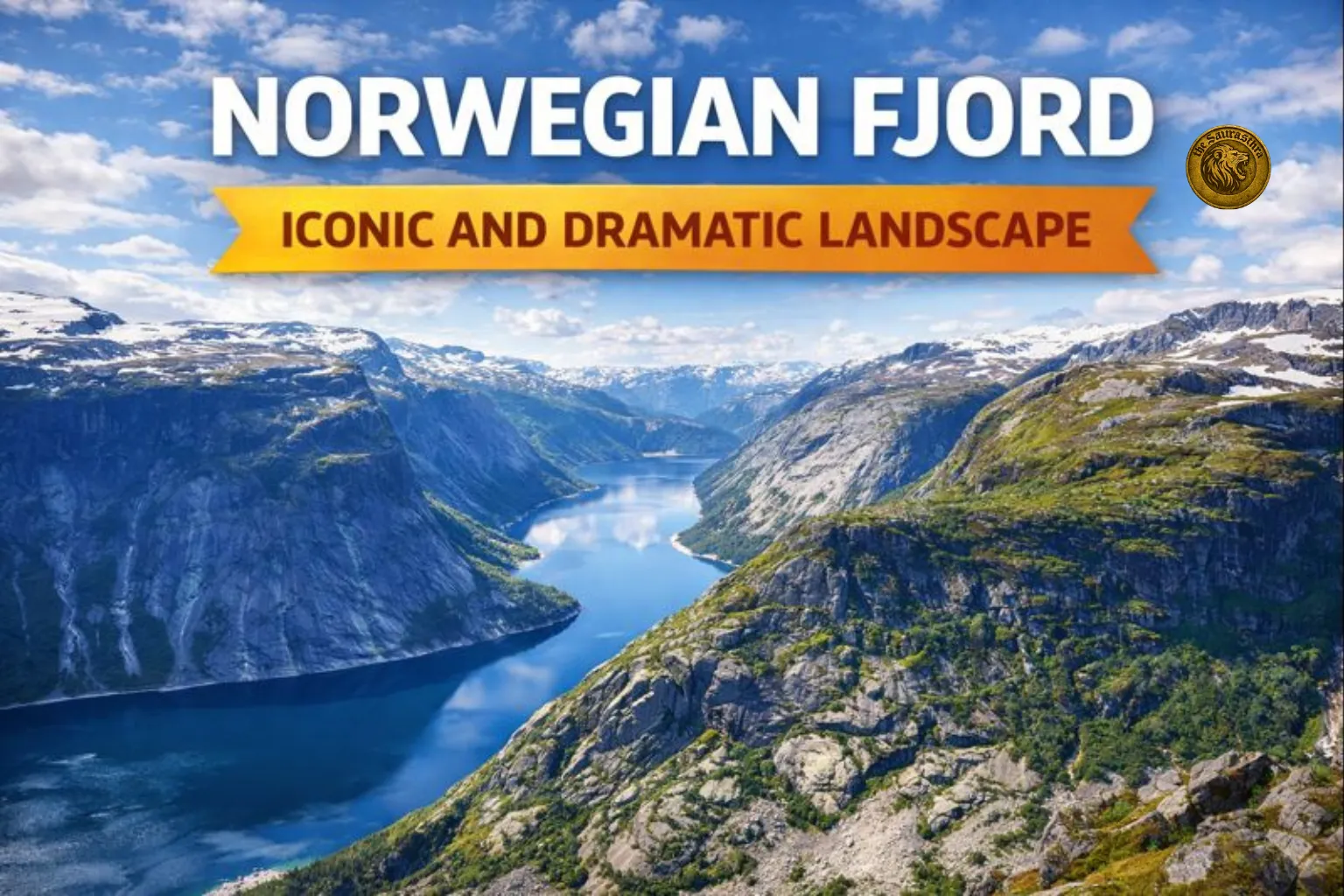
Fjords have historically provided sheltered harbors, enabling fishing communities and maritime trade to flourish even in remote areas. Today, they are also a cornerstone of Norway’s tourism industry and a symbol of the country’s natural heritage.
Climate of Norway: Cold Latitude, Mild Influence
Although Norway lies far north, its climate is surprisingly moderate for much of the country. This is largely due to the North Atlantic Current, an extension of the Gulf Stream, which brings warm ocean water along the Norwegian coast.
Regional Climate Differences
- Coastal Norway experiences mild winters and cool summers
- Inland and eastern regions have colder winters and warmer summers
- Northern Norway sees extreme seasonal variation, including the Midnight Sun in summer and Polar Night in winter
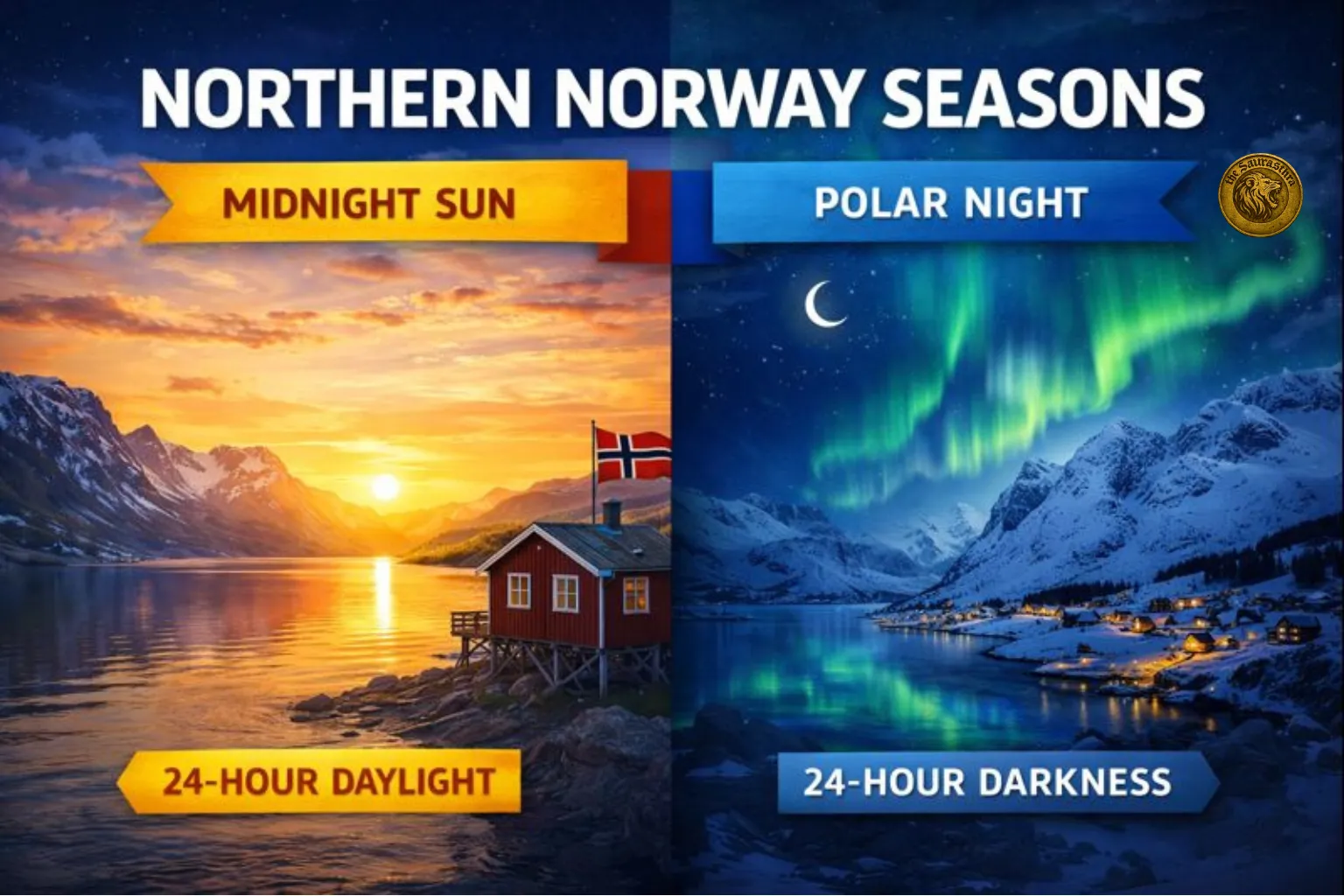
These climatic differences have influenced where people live, how agriculture developed, and how infrastructure is designed across the country.
Natural Regions and Ecosystems
Norway can be divided into several natural regions, each with distinct environmental characteristics.
Forested Lowlands
Southern and eastern Norway contain forested areas dominated by pine, spruce, and birch. These regions support agriculture, forestry, and most of Norway’s population.
Mountain and Arctic Zones
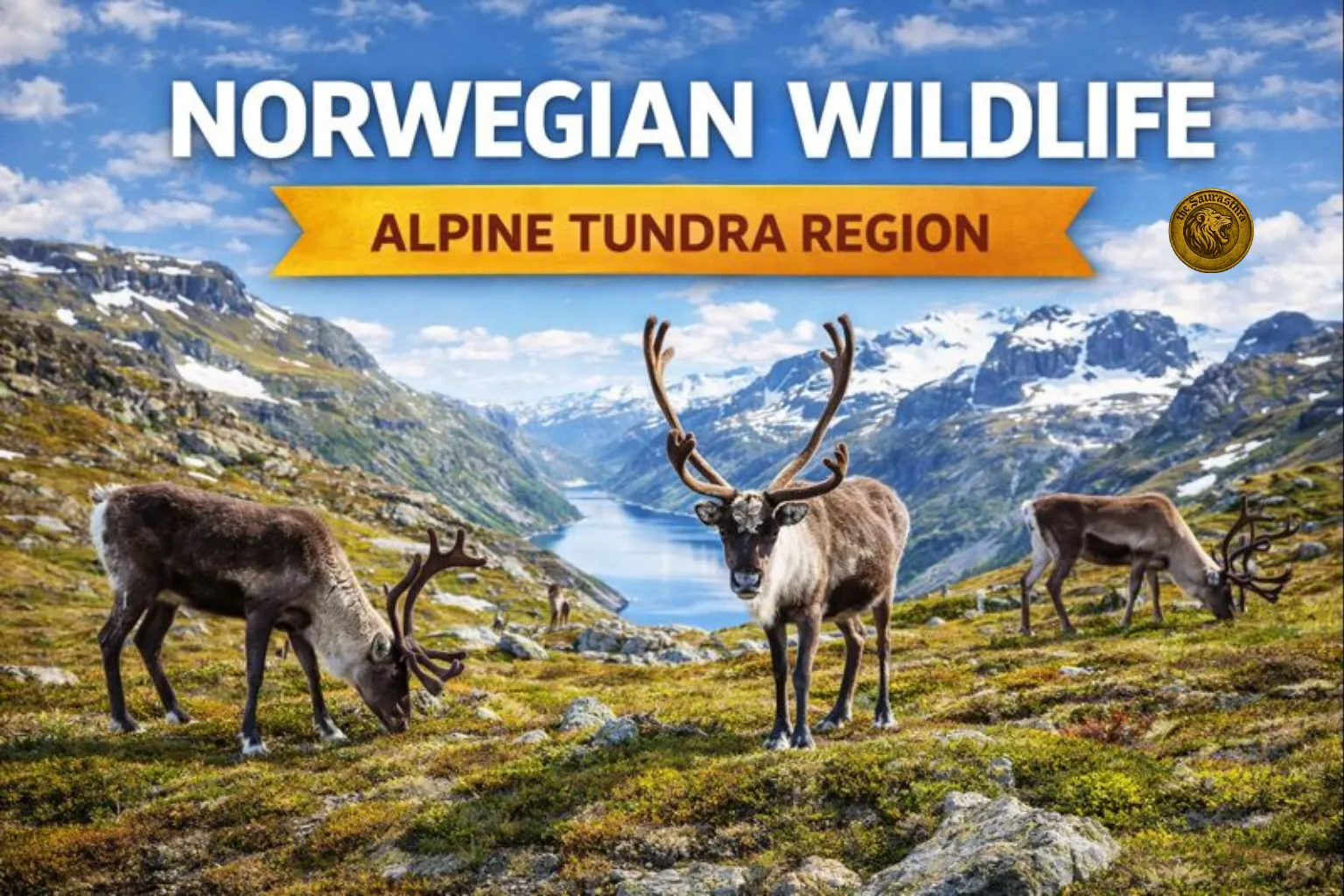
Higher elevations and northern latitudes are marked by alpine tundra, sparse vegetation, and harsh weather conditions. Wildlife adapted to cold environments, such as reindeer and Arctic foxes, are found here.
Water Resources and Glaciers
Norway has abundant freshwater resources, including rivers, lakes, and glaciers. These resources have been crucial for hydropower development, which supplies most of the country’s electricity.
Glaciers remain an important part of Norway’s landscape, particularly in western and northern regions, although climate change has led to noticeable retreat in recent decades.
Environmental Stewardship and Conservation
Norway places strong emphasis on environmental protection. Large areas of land are designated as national parks, preserving ecosystems and traditional landscapes. Environmental awareness is deeply embedded in public policy and national identity.
Why Geography Matters to Norway’s Global Role
Norway’s physical environment has shaped its economy, from fishing and shipping to energy production. Its geographic position has also influenced foreign policy, security concerns, and international cooperation in Arctic and maritime affairs.
History of Norway: From the Viking Age to a Modern Constitutional Nation
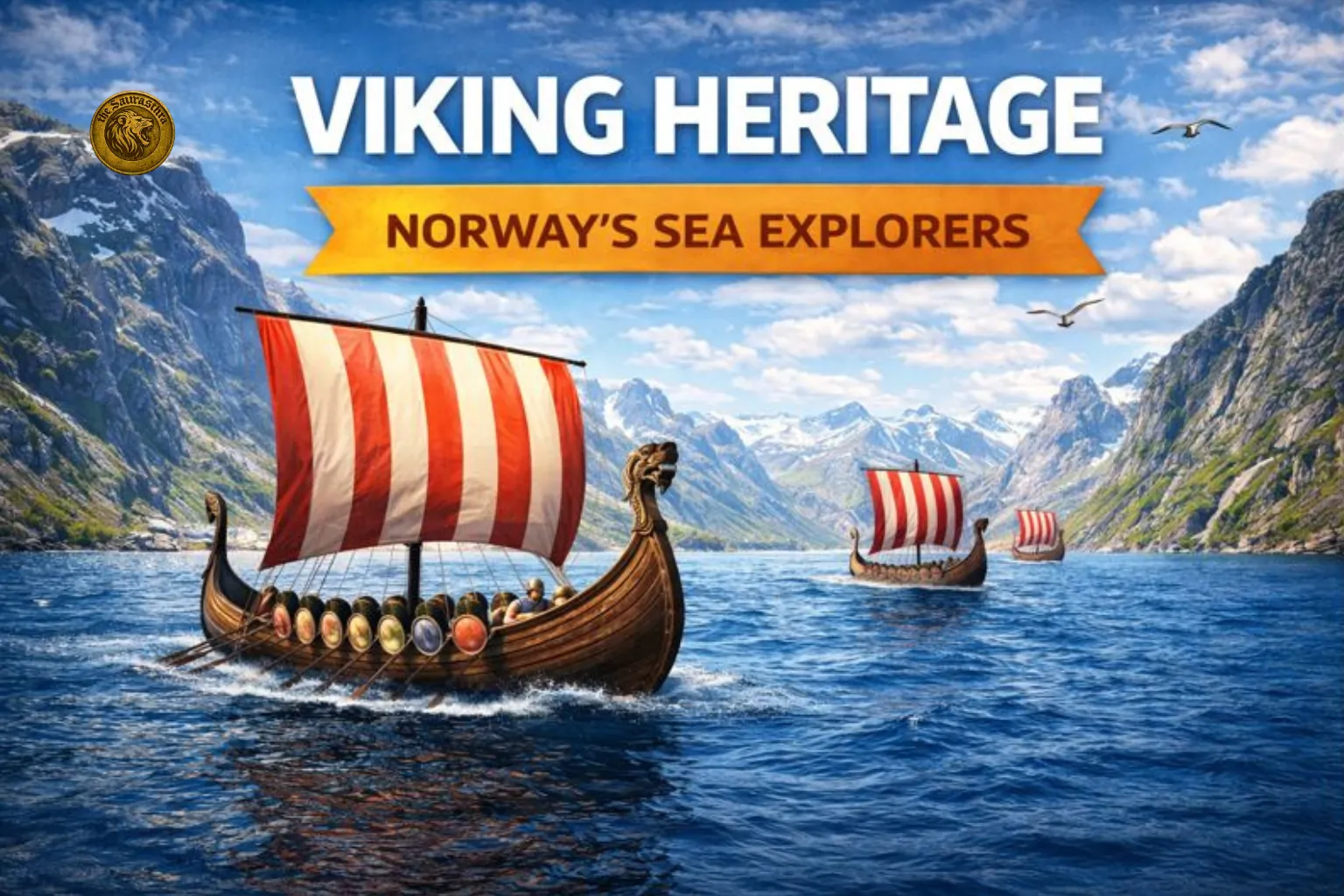
Norway’s history is a powerful story of survival, seafaring ambition, foreign rule, and ultimately, national self-determination. From the legendary Viking explorers who once ruled the seas to the emergence of a stable, democratic welfare state, Norway’s past has shaped its modern identity in profound ways. The country’s history is inseparable from its geography, climate, and relationship with the wider European world.
This article traces the historical journey of Norway, examining the key eras, political transformations, and cultural milestones that led to the modern Norwegian state known today.
Early Settlements and Prehistoric Norway
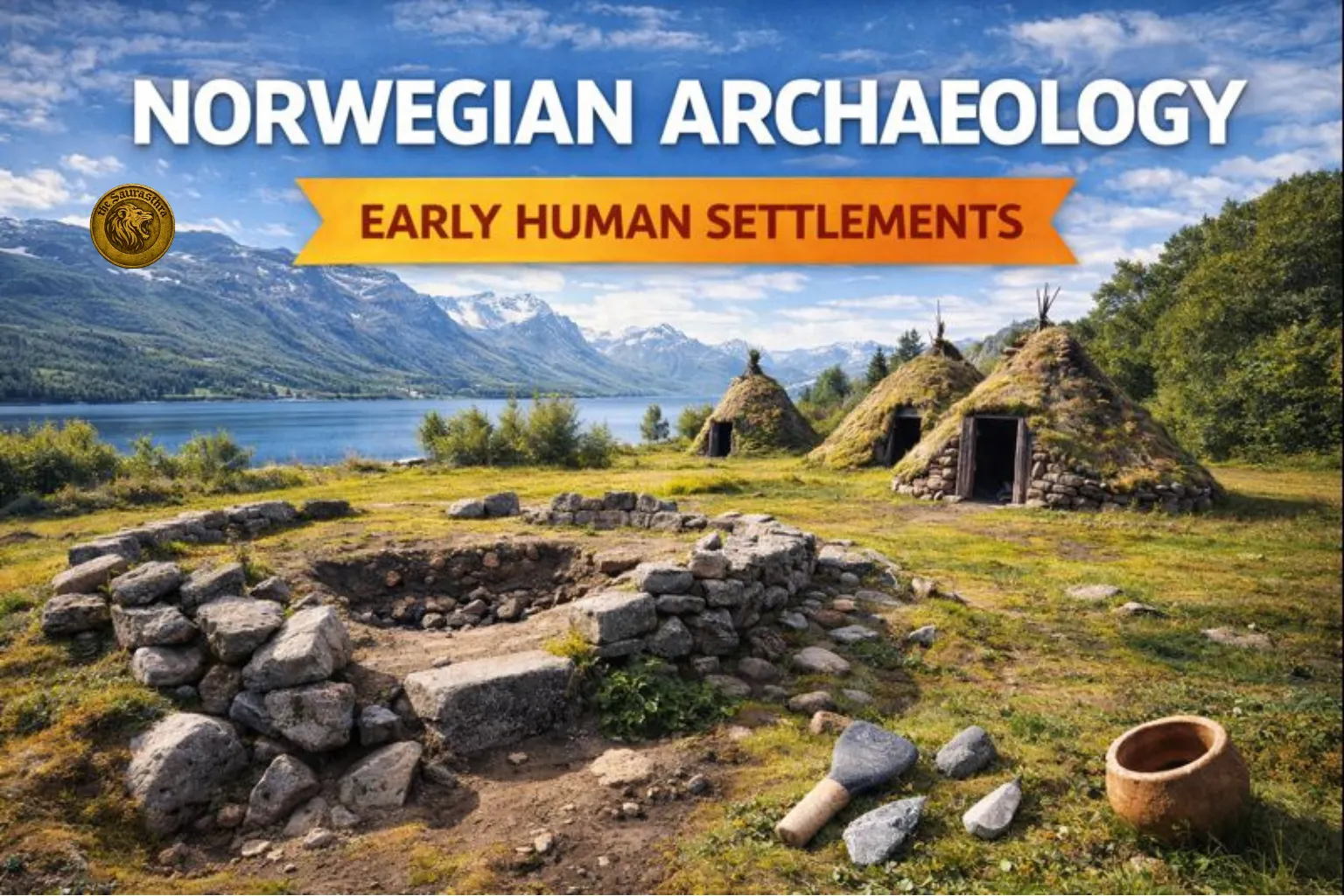
Human presence in Norway dates back to the end of the last Ice Age, around 10,000 BCE, when retreating glaciers made settlement possible. Early inhabitants lived as hunter-gatherers, relying on fishing, hunting, and seasonal migration.
Archaeological evidence suggests that early Norwegian communities were closely connected to nature, developing tools and social structures adapted to harsh northern conditions. Over time, agriculture slowly took hold, particularly in southern regions where the climate was more favorable.
The Viking Age: Norway’s Global Footprint
The Viking Age (circa 800–1050 CE) represents one of the most defining periods in Norway’s history. Norwegian Vikings were skilled sailors, traders, and explorers who ventured far beyond Scandinavia.
Exploration and Expansion
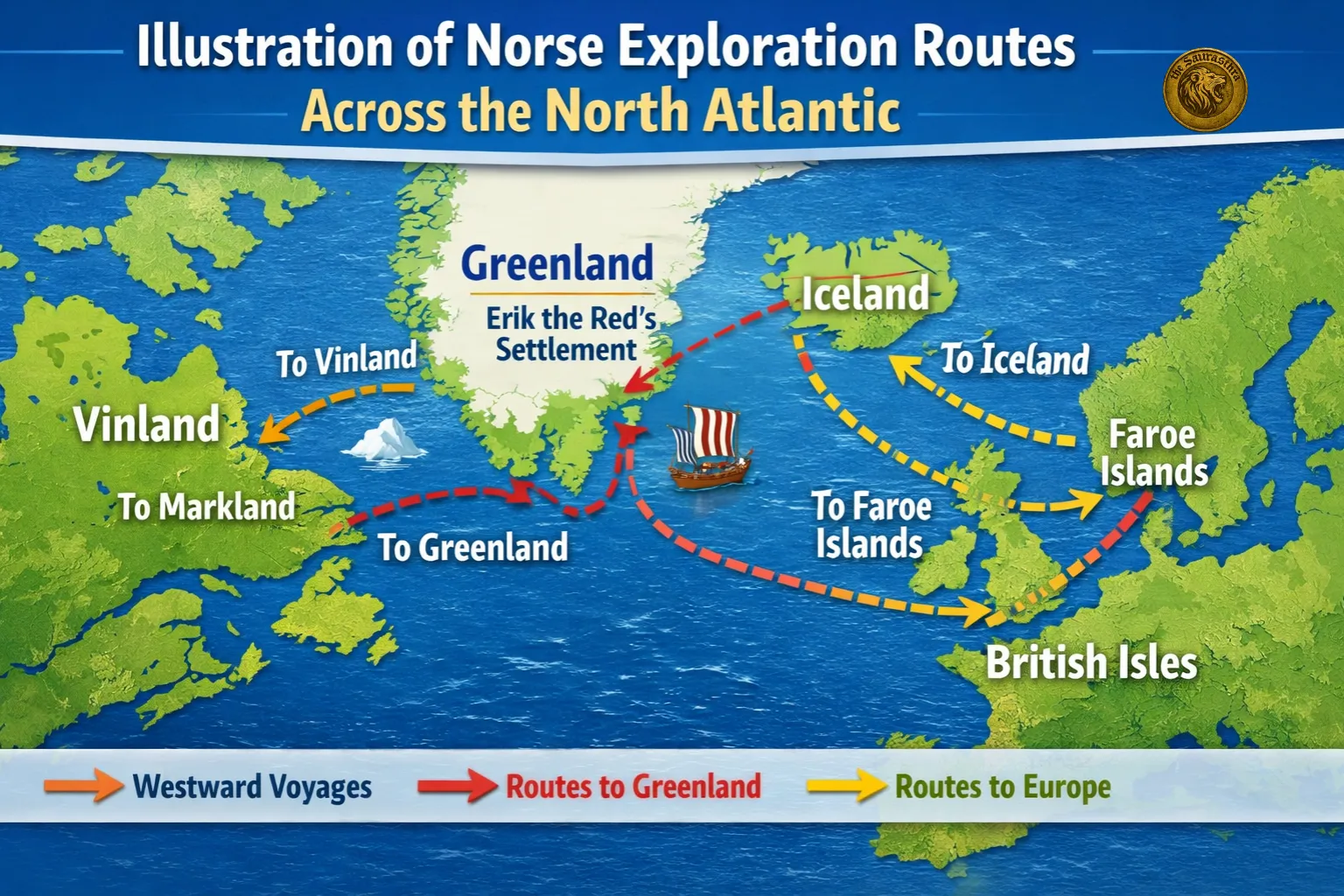
Norwegian Vikings played a key role in the exploration of the North Atlantic. They settled in:
- The Faroe Islands
- Iceland
- Greenland
- Parts of the British Isles
Some historical sources even credit Norse explorers with reaching North America centuries before Columbus.
Society and Power
During this era, Norway was not a unified kingdom but a collection of regional chieftaincies. Power was decentralized, and loyalty was often personal rather than institutional. Warfare, alliances, and trade all shaped political life.
The Unification of Norway
The process of unifying Norway into a single kingdom is traditionally associated with Harald Fairhair, who, according to historical accounts, consolidated power in the late 9th century. While full unification took generations, this period marked the foundation of Norwegian monarchy.
Christianity gradually replaced Norse pagan beliefs during this time, fundamentally changing Norway’s cultural and political landscape. The establishment of churches and religious institutions strengthened royal authority and tied Norway more closely to Europe.
The Middle Ages: Growth and Challenge
During the Middle Ages, Norway emerged as a recognized European kingdom. It developed legal systems, administrative structures, and trade networks, particularly through maritime commerce.
The Black Death
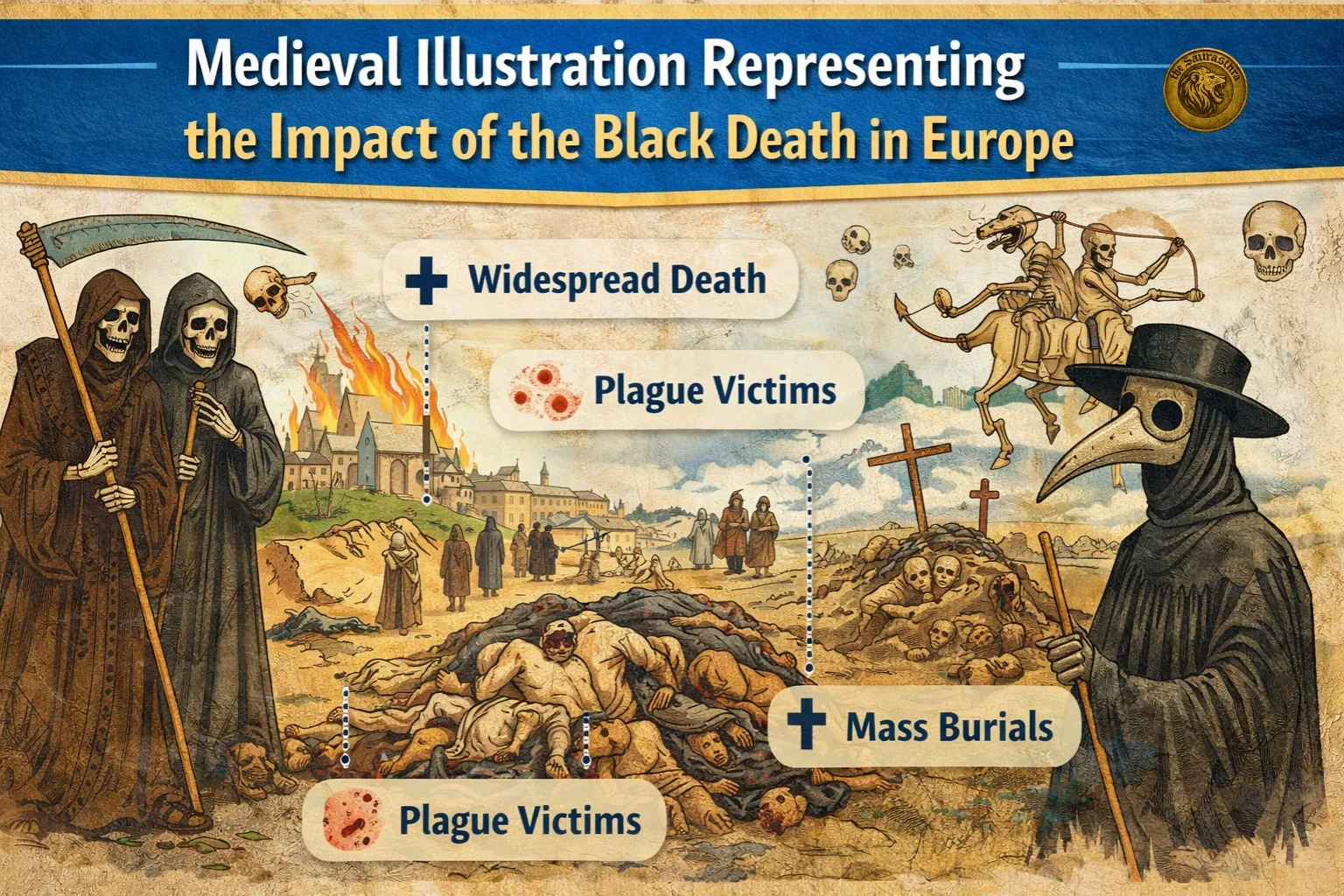
In the mid-14th century, Norway was devastated by the Black Death, which killed a significant portion of the population. The resulting labor shortages weakened the economy and reduced Norway’s political influence.
Union with Denmark: Loss of Independence
By the late Middle Ages, Norway entered a long period of political union, first with Denmark and later with Sweden.
Denmark–Norway (1380–1814)
For over four centuries, Norway was ruled from Copenhagen as part of the Denmark-Norway union. While Norway retained its identity, political power was concentrated in Denmark. Norwegian elites were limited, and the country’s resources were often used to support Danish interests.
This era deeply influenced Norwegian language, administration, and culture, leaving lasting marks still visible today.
1814: A Turning Point in Norwegian History
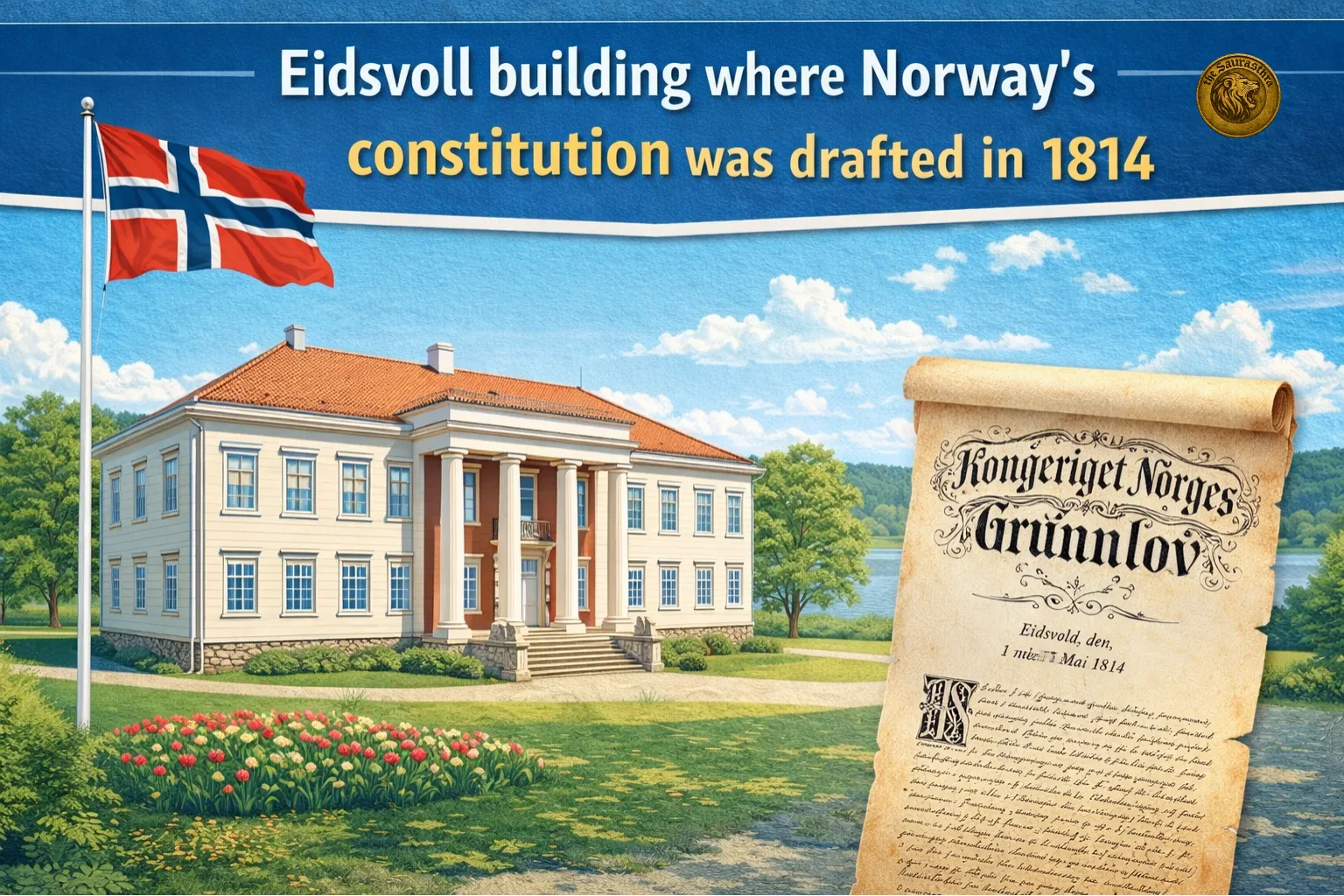
The year 1814 stands as one of the most important moments in Norway’s national story. Following the Napoleonic Wars, Denmark was forced to cede Norway to Sweden.
Rather than accepting this quietly, Norwegians drafted their own constitution, one of the oldest still in use today. Although Norway entered a union with Sweden, it retained significant autonomy and its own parliament.
Union with Sweden and Growing Nationalism
The union with Sweden lasted until 1905. During this period, Norwegian nationalism steadily grew. Cultural movements celebrated Norwegian language, folklore, and rural traditions as symbols of national identity.
Economic changes, including industrialization and expanded trade, strengthened Norway’s position and increased calls for full independence.
Independence in 1905
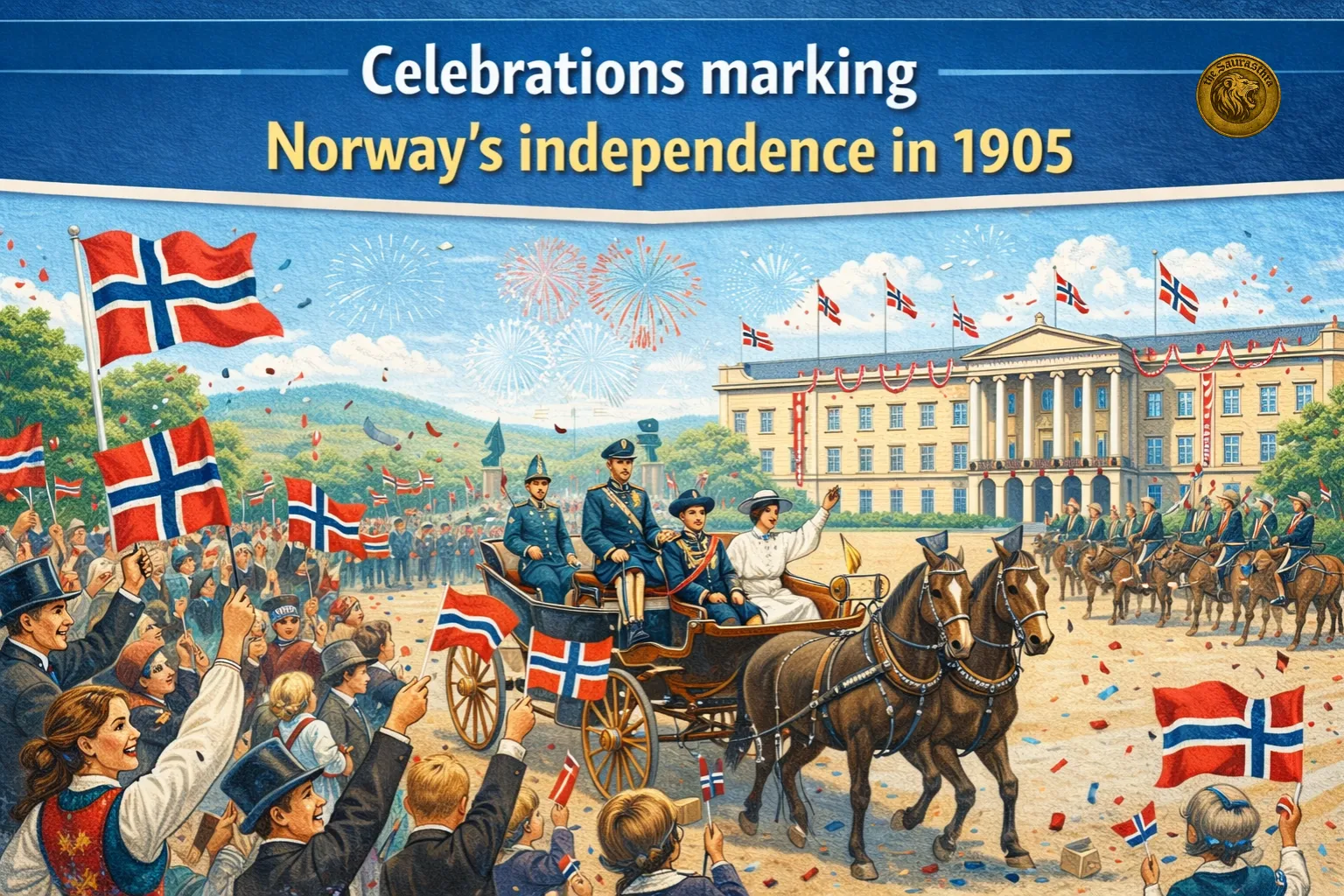
In 1905, Norway peacefully dissolved its union with Sweden following a national referendum. The country chose to remain a constitutional monarchy, inviting a Danish prince to become King Haakon VII, a decision that symbolized continuity and stability.
Norway in the World Wars
World War I
Norway remained neutral during World War I, but its shipping industry suffered heavy losses. Despite neutrality, the war highlighted Norway’s vulnerability to global conflict.
World War II
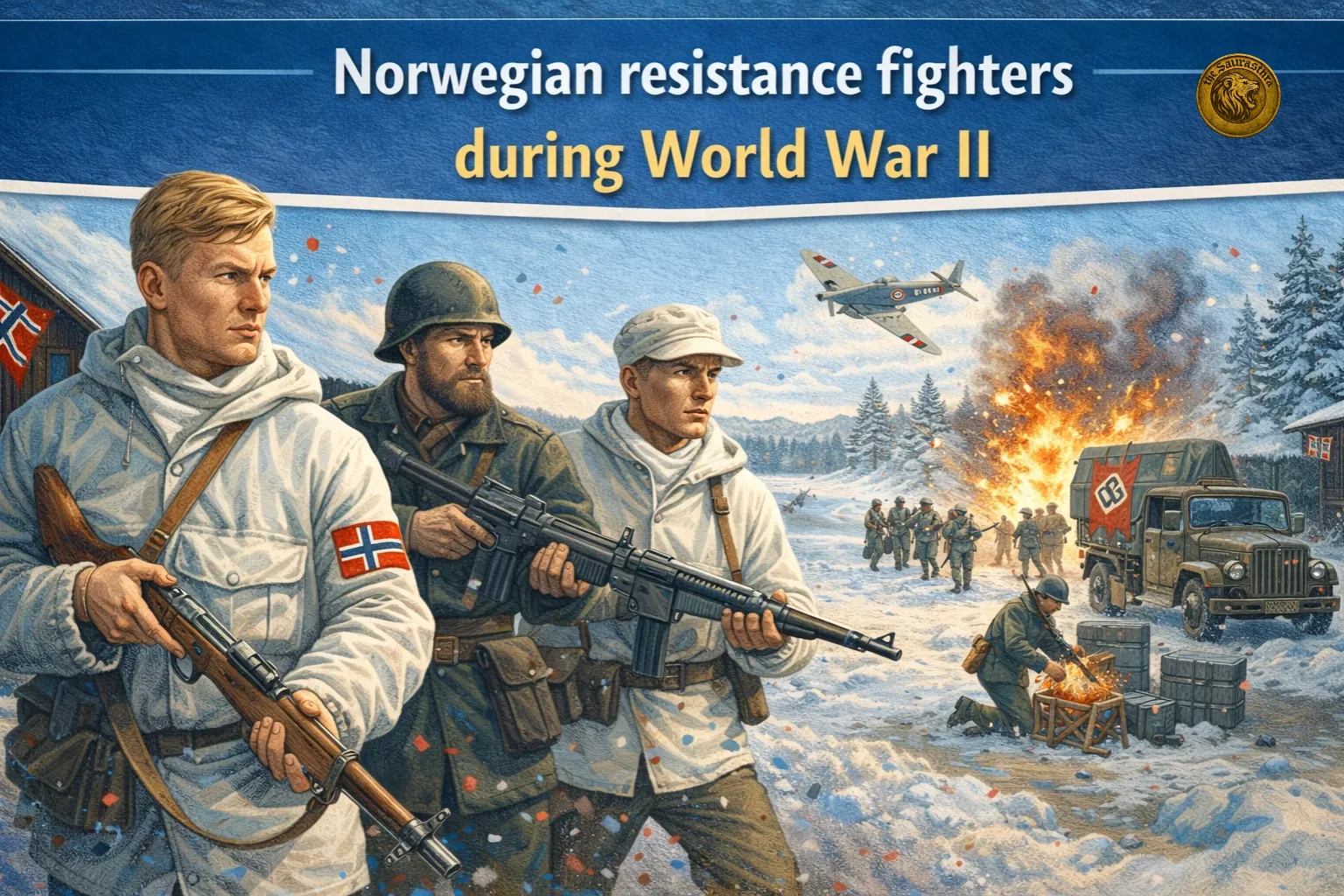
Norway’s neutrality was violated in 1940, when Nazi Germany invaded and occupied the country. The occupation lasted until 1945 and left deep scars on the national psyche.
Norwegian resistance movements, both at home and abroad, became symbols of courage and resilience.
Post-War Reconstruction and Modernization
After World War II, Norway focused on rebuilding its economy and strengthening democratic institutions. The discovery of oil and gas in the North Sea in the late 20th century transformed the nation’s economic prospects.
Careful management of natural resources helped Norway avoid many challenges faced by other resource-rich countries, laying the foundation for one of the world’s most stable welfare states.
The Historical Legacy of Norway Today
Norway’s modern identity is deeply rooted in its history. Values such as democracy, equality, and respect for nature reflect lessons learned across centuries of hardship and adaptation.
The country’s historical journey—from fragmented Viking communities to a modern constitutional monarchy—continues to shape its domestic policies and international role.
People of Norway: Society, Language, Religion, Education and Cultural Life
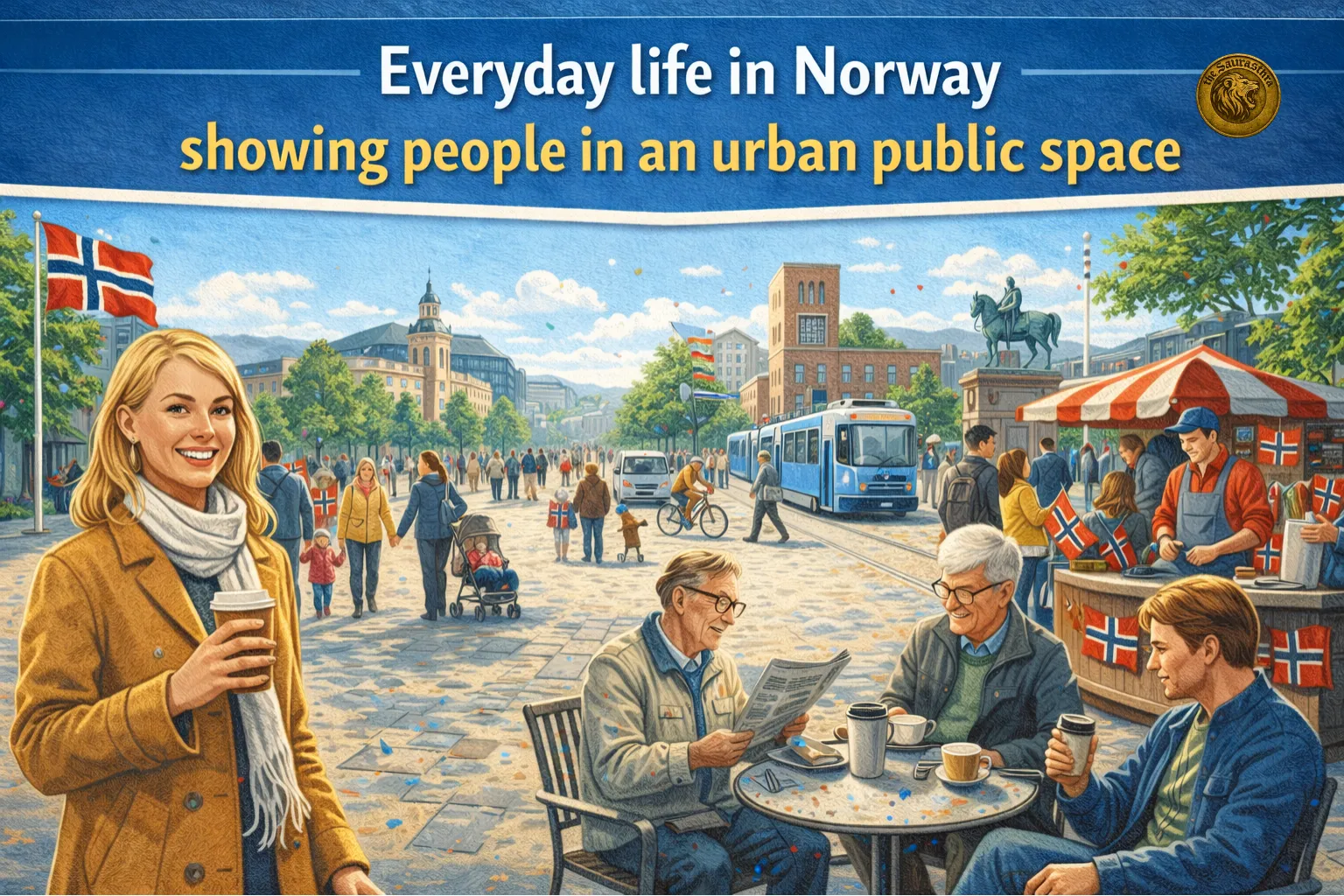
Norway is often recognized for its dramatic landscapes and strong economy, but at the heart of the country lies its people. Norwegian society is shaped by long-standing traditions, social equality, cultural openness, and a deep respect for both community and individuality. Over centuries, geography, history, and political development have combined to form a population known for resilience, social trust, and progressive values.
This article explores the people of Norway, examining population patterns, language, religion, education, social structure, and cultural expression that together define everyday life in the country.
Population and Demographic Structure of Norway
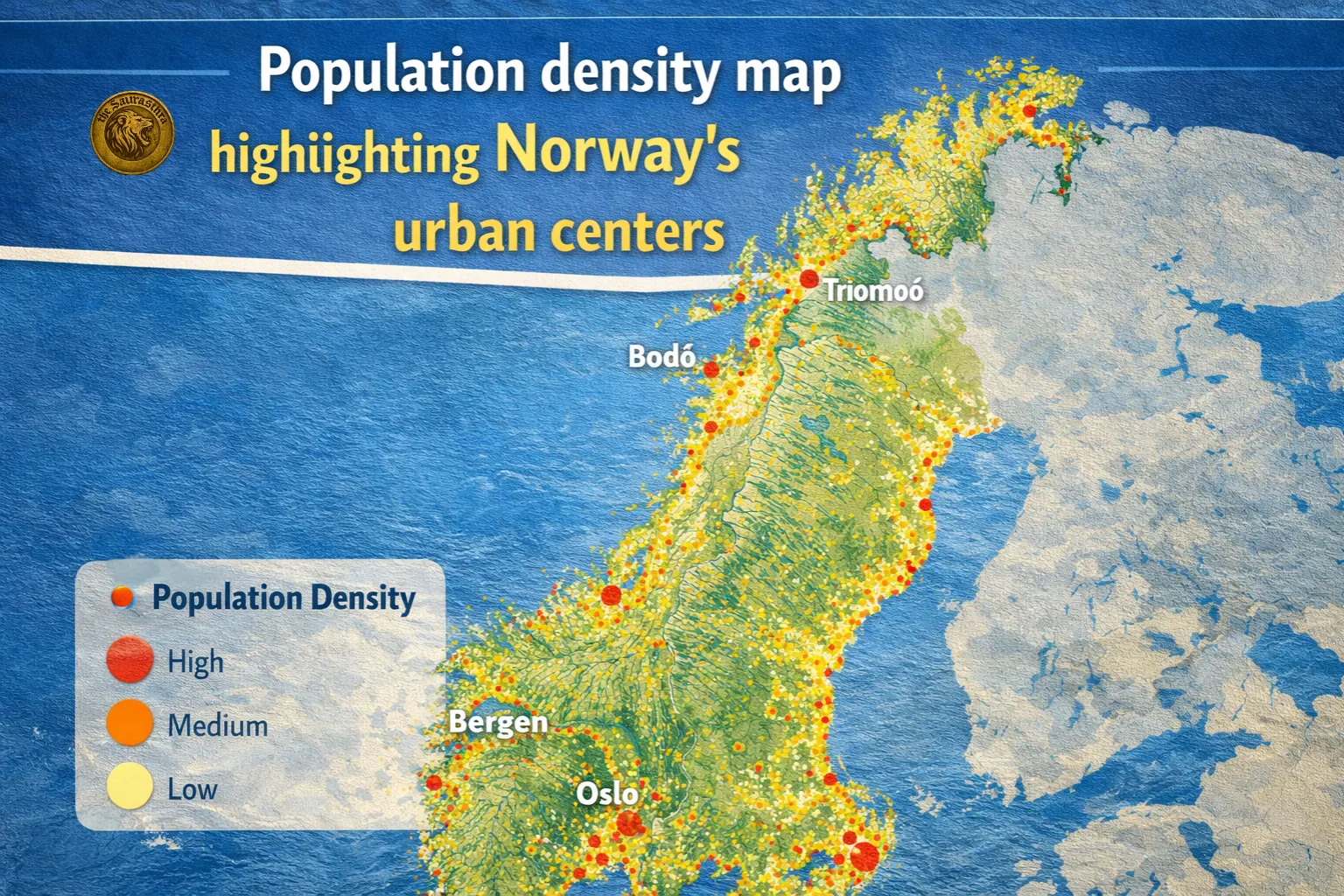
Norway has a relatively small population compared to its land area, with most people concentrated in coastal regions and urban centers. The largest cities, including Oslo, Bergen, Trondheim, and Stavanger, serve as economic and cultural hubs.
Urban and Rural Balance
While urbanization has increased steadily, many Norwegians continue to maintain strong ties to rural areas. Seasonal movement between cities and countryside is common, reflecting the importance of nature and outdoor life in Norwegian culture.
Social Values and Everyday Life
Norwegian society is built on principles of equality, trust, and social responsibility. Social hierarchies are relatively flat, and informal interaction is common even in professional environments.
Gender Equality
Norway is widely regarded as a global leader in gender equality. Women participate actively in politics, business, and education, supported by family-friendly policies such as parental leave and childcare access.
Social Trust
High levels of trust between citizens and institutions are a defining feature of Norway. This trust contributes to low crime rates and strong civic participation.
Language in Norway
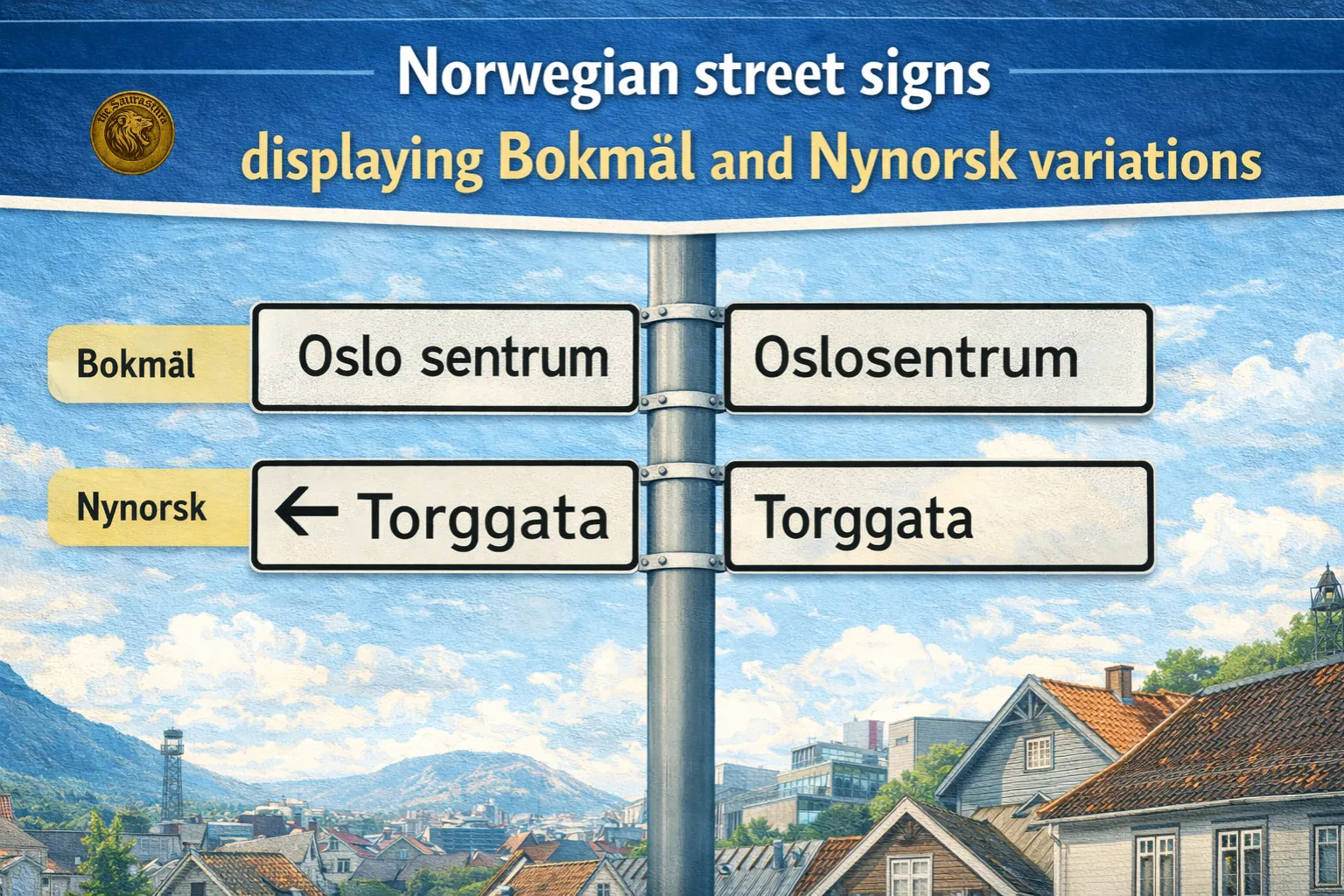
Language plays a central role in Norway’s national identity. Uniquely, the country recognizes two official written forms of Norwegian:
- Bokmål, derived historically from Danish influence
- Nynorsk, developed from rural Norwegian dialects
Both forms are used in education, government, and media, reflecting respect for regional diversity.
In addition to Norwegian, Sámi languages are officially recognized in parts of northern Norway, acknowledging the rights and heritage of the Indigenous Sámi people.
Religion and Belief
Historically, Norway has been a Lutheran Christian country, with the Church of Norway playing a central role in social and cultural life. In recent decades, however, Norwegian society has become increasingly secular.
Religious Diversity
Modern Norway is religiously diverse, with growing communities representing Islam, Catholicism, Buddhism, and other faiths. Freedom of belief is protected by law, and religious tolerance is widely practiced.
Education System in Norway
Education is a cornerstone of Norwegian society and is provided free of charge at all levels, including higher education.
Structure of Education
- Compulsory education begins at age six
- Upper secondary education offers academic and vocational paths
- Universities and colleges emphasize research, innovation, and accessibility
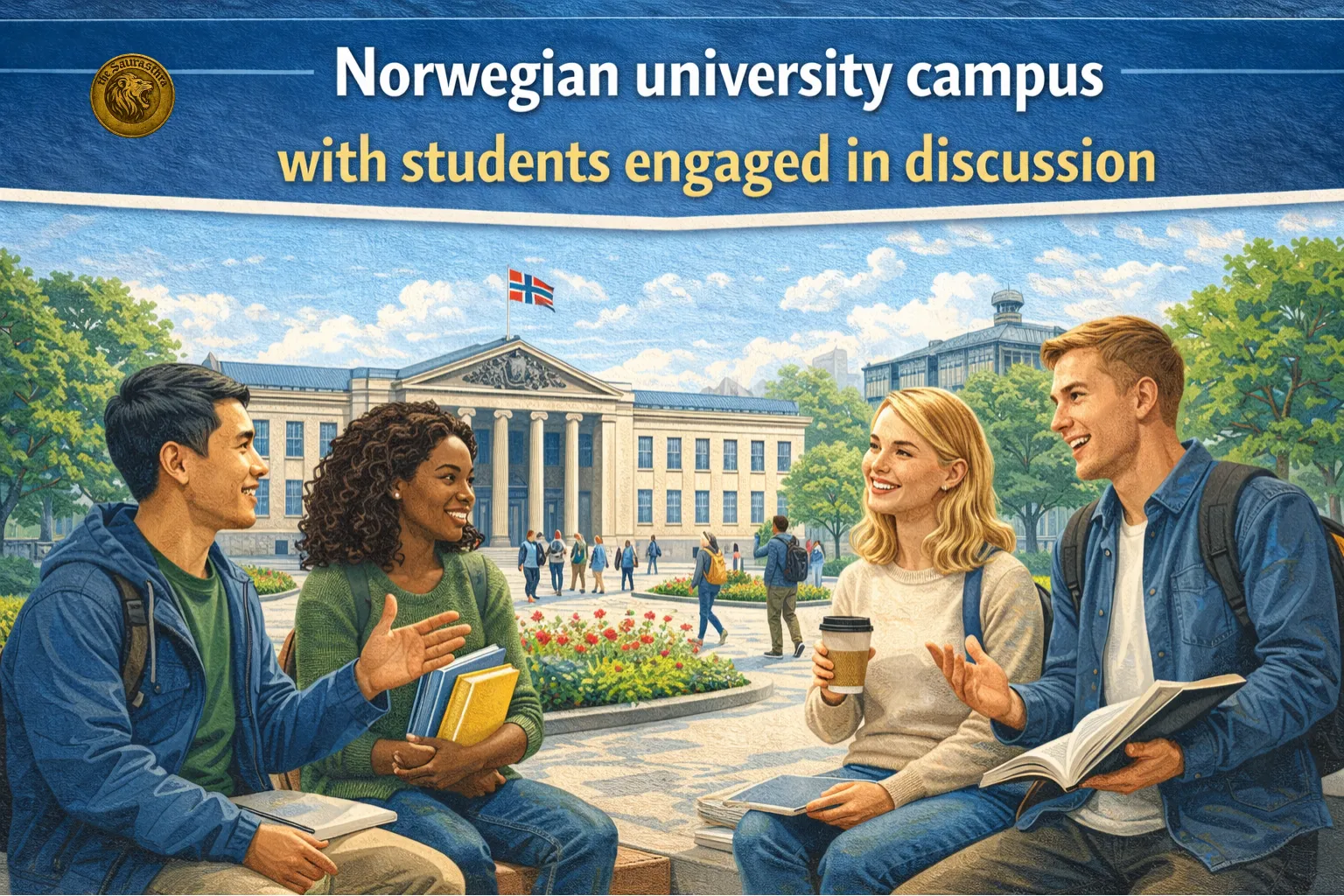
The education system emphasizes critical thinking, cooperation, and lifelong learning rather than rote memorization.
Cultural Life and Artistic Expression
Norway’s cultural life reflects both tradition and modern creativity. Folk music, storytelling, and crafts coexist with contemporary art, film, and literature.
Literature and Arts
Norwegian literature has achieved global recognition, with authors exploring themes of identity, nature, and social change. Visual arts and design are strongly influenced by natural forms and minimalist aesthetics.
National Celebrations
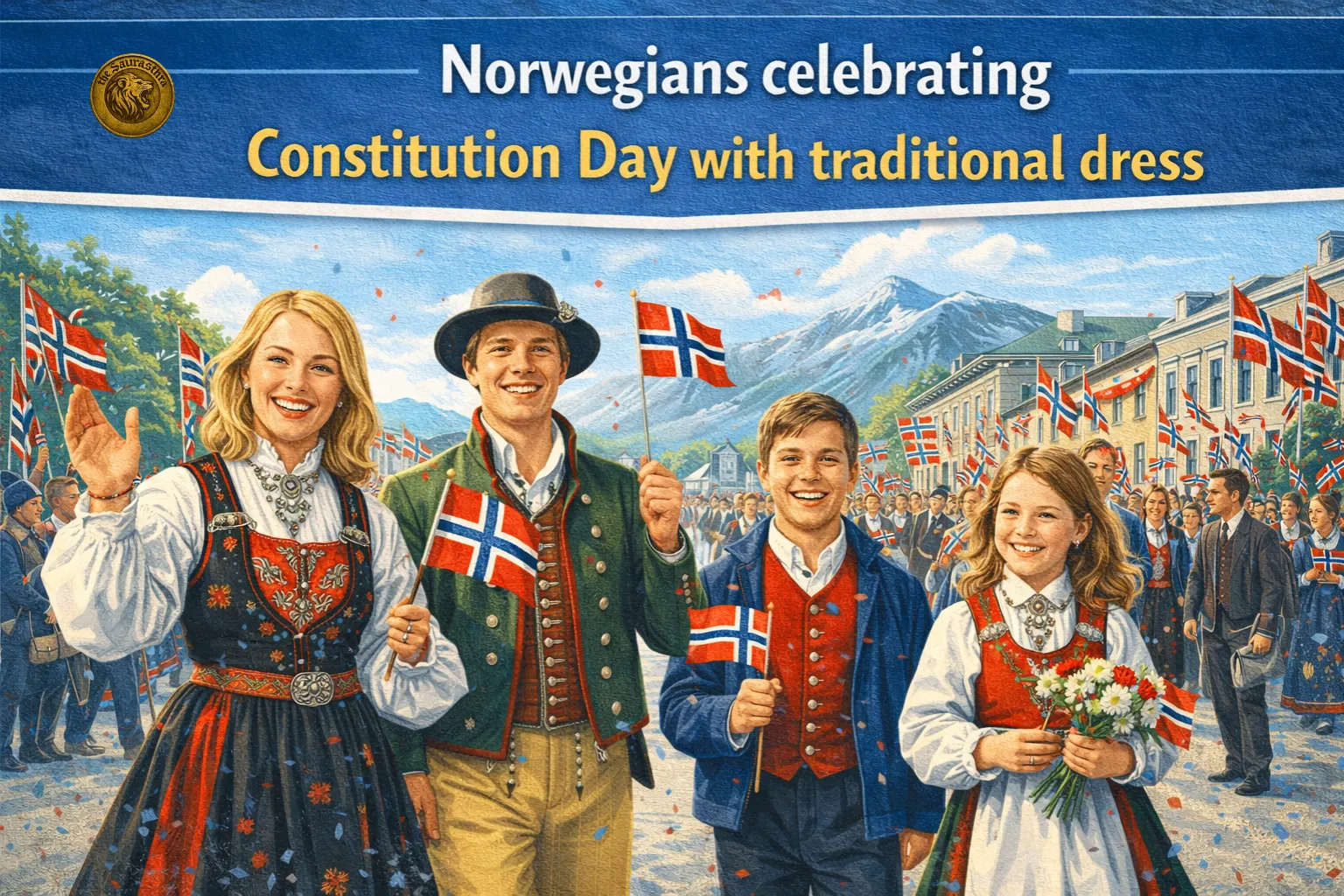
Public celebrations such as Constitution Day on May 17 are deeply meaningful cultural events, emphasizing unity, history, and democratic values.
Indigenous Sámi Culture
The Sámi people are an Indigenous population inhabiting northern Norway and neighboring regions. Their culture, language, and traditional livelihoods—such as reindeer herding—are officially protected.
Norway has established representative institutions to ensure Sámi participation in political decision-making, reflecting broader commitments to cultural inclusion.
Media, Communication and Digital Society
Norway has one of the highest levels of digital connectivity in the world. Public media plays a significant role in national discourse, while independent journalism remains strong.
Access to information, freedom of expression, and digital literacy are central to modern Norwegian society.
How People Shape Norway’s National Identity
The character of Norway is inseparable from its people. Values such as cooperation, environmental responsibility, and social fairness guide both domestic policy and international engagement.
From language and education to cultural life and social norms, the people of Norway continue to shape a society that balances tradition with modernity.
Government and Politics of Norway: Constitution, Monarchy and a Strong Democratic System
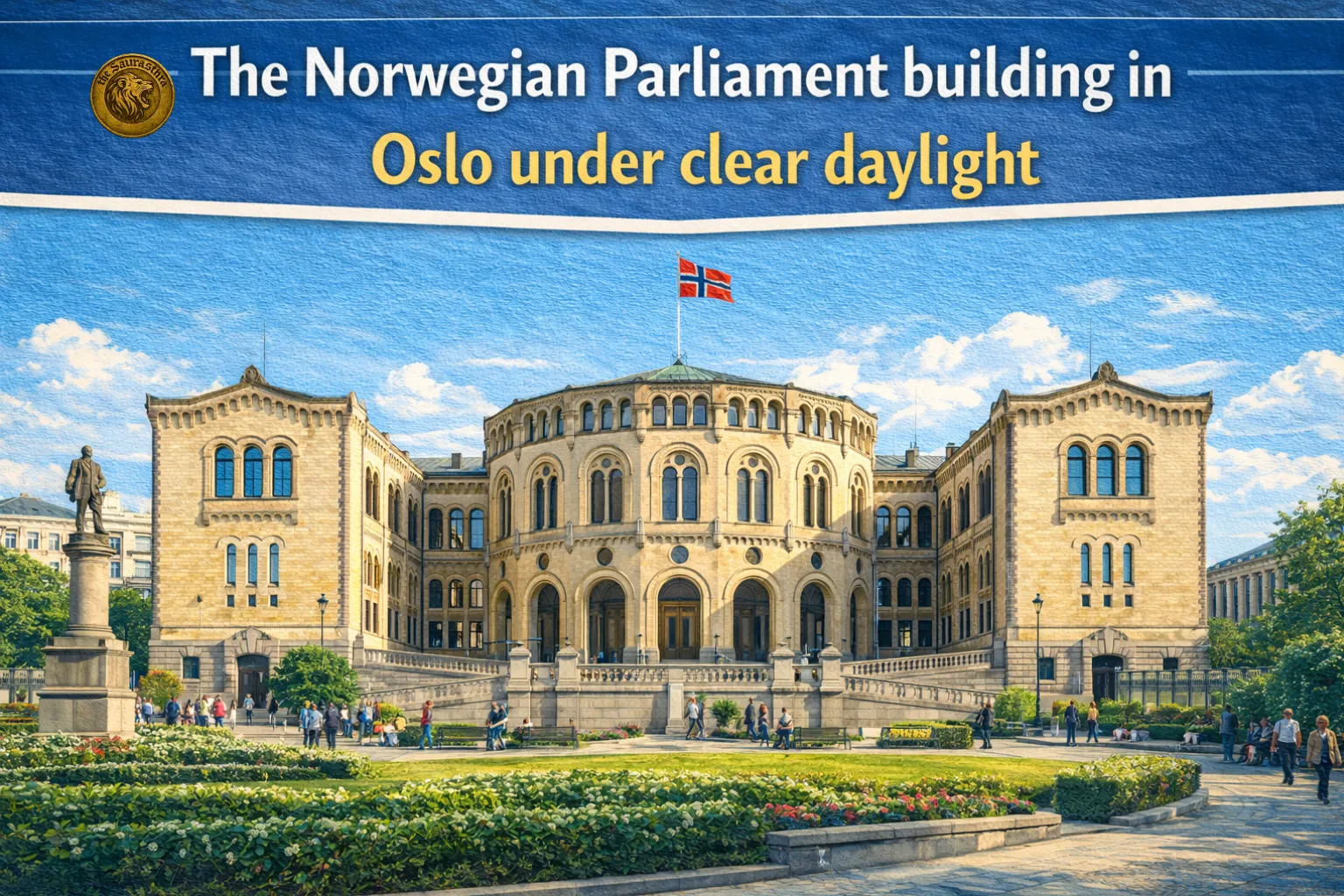
Norway is internationally respected for its stable political system, transparent governance, and deep-rooted democratic traditions. Although the country is a constitutional monarchy, real political power rests firmly with elected representatives and democratic institutions. Over time, Norway has developed a governance model that combines historical continuity with modern democratic principles.
This article explores the government and political system of Norway, including its constitution, monarchy, parliament, political parties, and the values that sustain its democracy.
The Constitutional Foundation of Norway
Norway’s political system is grounded in its constitution, adopted on May 17, 1814. The constitution was drafted during a period of intense political change and remains one of the oldest functioning constitutions in the world.
The document established:
- Separation of powers
- Protection of individual rights
- Parliamentary representation
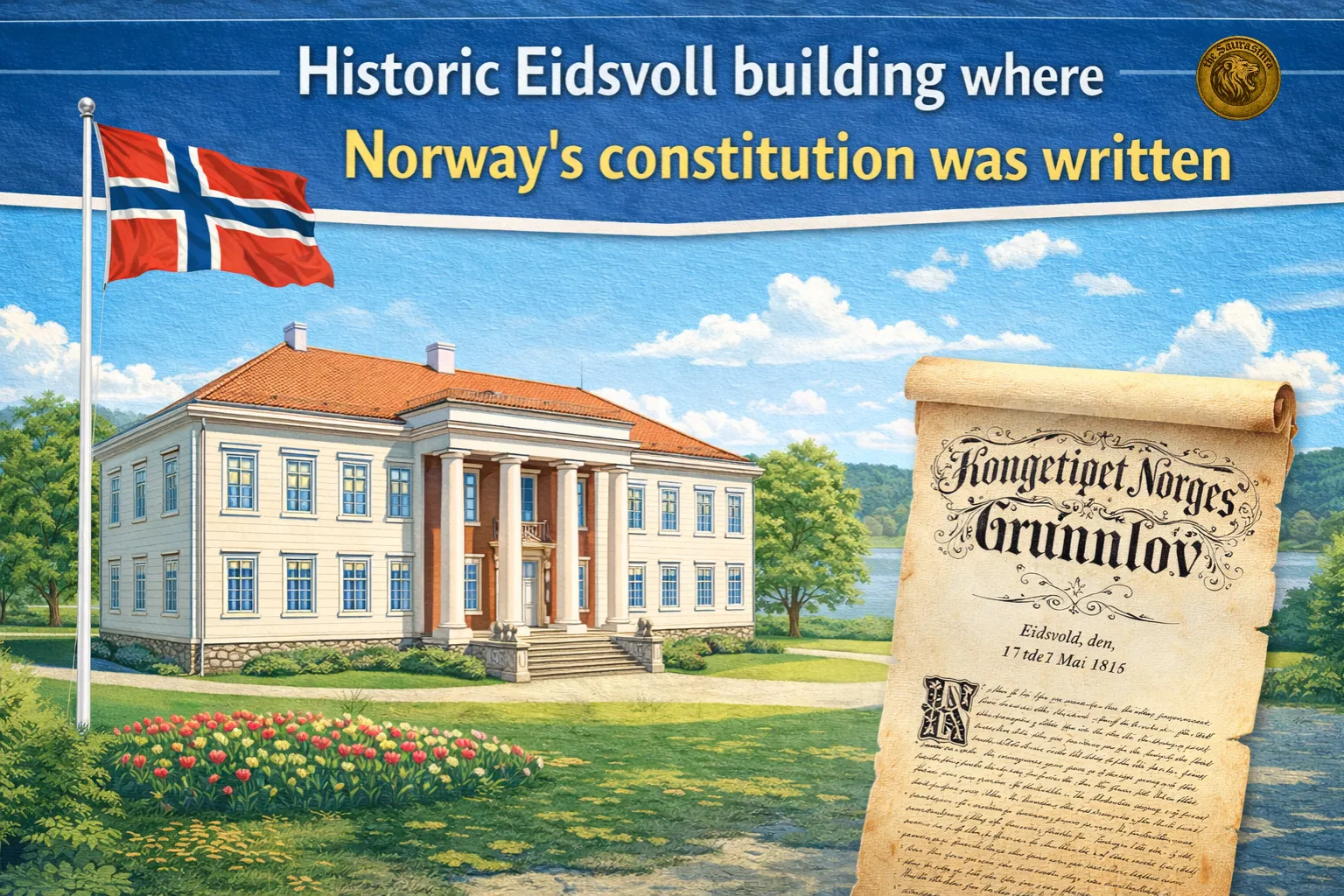
Although amended many times, the constitution continues to serve as the backbone of Norway’s democratic system.
Constitutional Monarchy: The Role of the King
Norway operates as a constitutional monarchy, meaning the monarch serves as head of state while political authority is exercised by elected officials.
Symbolic Leadership
The King’s role is largely ceremonial, representing national unity and continuity. While the monarch formally appoints the government, these actions follow democratic outcomes and parliamentary decisions.
This balance preserves historical tradition without compromising democratic governance.
The Norwegian Parliament (Storting)
The Storting, Norway’s parliament, is the central legislative body. It consists of representatives elected through a proportional representation system, ensuring broad political inclusion.
Parliamentary Responsibilities
The Storting is responsible for:
- Passing laws
- Approving the national budget
- Holding the government accountable
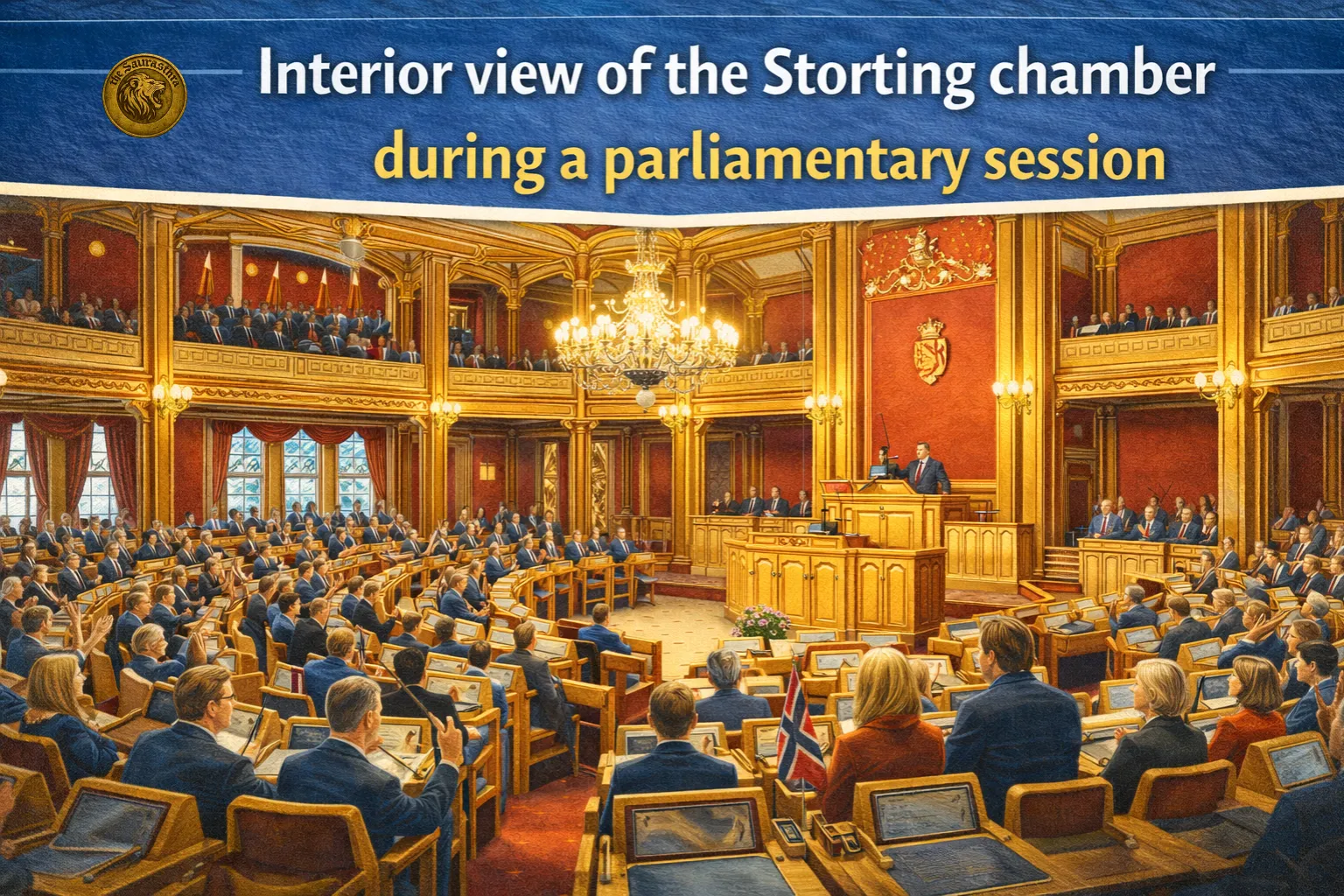
Parliamentary debates are generally open and transparent, reinforcing public trust in the political process.
The Executive Branch: Government and Prime Minister
Executive power in Norway is exercised by the Council of State, led by the Prime Minister. The government is formed by the political party or coalition that commands parliamentary support.
Coalition Politics
Multi-party cooperation is common, reflecting Norway’s pluralistic political culture. Coalition governments encourage compromise and consensus-based policymaking.
Political Parties and Ideological Landscape
Norway has a diverse political party system, spanning the ideological spectrum from left to right. Parties often focus on social welfare, economic sustainability, environmental protection, and responsible resource management.
This diversity ensures that a wide range of social interests is represented within the political system.
Judicial System and Rule of Law
Norway’s judiciary operates independently of the executive and legislative branches. Courts are responsible for interpreting laws and protecting constitutional rights.
Judicial independence is widely respected and plays a crucial role in maintaining fairness and legal certainty.
Local Government and Decentralization
Political authority in Norway is not limited to the national level. Municipalities and counties have significant autonomy, particularly in areas such as education, healthcare, and infrastructure.
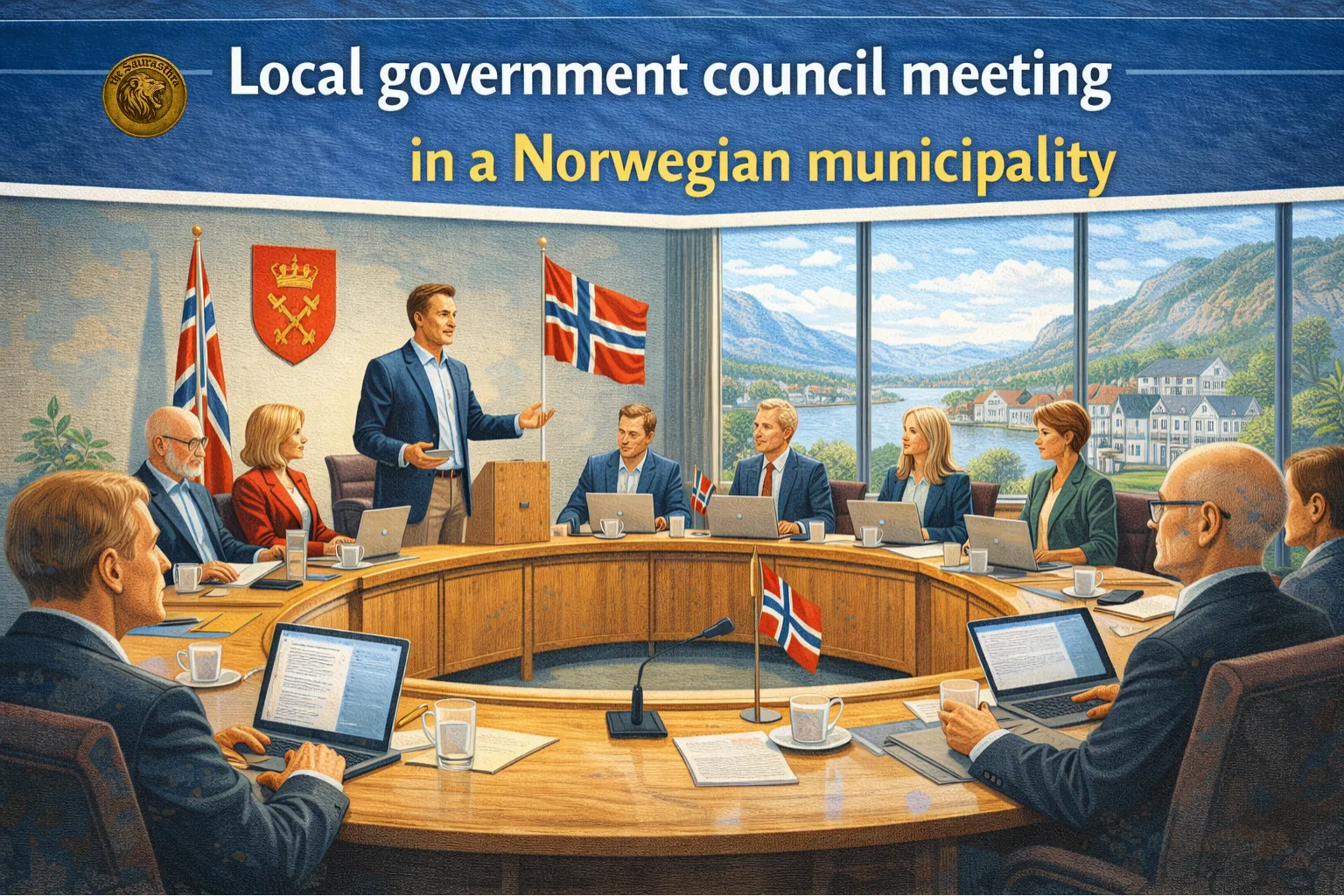
This decentralization allows for responsive governance tailored to local needs.
Transparency, Accountability and Public Trust
Norway consistently ranks among the world’s most transparent and least corrupt countries. Open access to public information and strong accountability mechanisms reinforce trust between citizens and institutions.
Freedom of the press and independent oversight bodies play key roles in maintaining political integrity.
Norway’s Political Culture
Consensus, dialogue, and respect for opposing views are hallmarks of Norway’s political culture. While political disagreements exist, debate is typically constructive and focused on long-term societal goals.
This culture has helped Norway navigate economic changes, social transformation, and international challenges with stability.
The Democratic Identity of Norway
Norway’s system of governance reflects a careful balance between tradition and progress. The constitutional monarchy preserves national heritage, while democratic institutions ensure citizen participation and accountability.
Together, these elements form a political system that continues to evolve while remaining firmly grounded in democratic values.
Economy of Norway: Energy Wealth, Trade Power and a World-Leading Welfare State
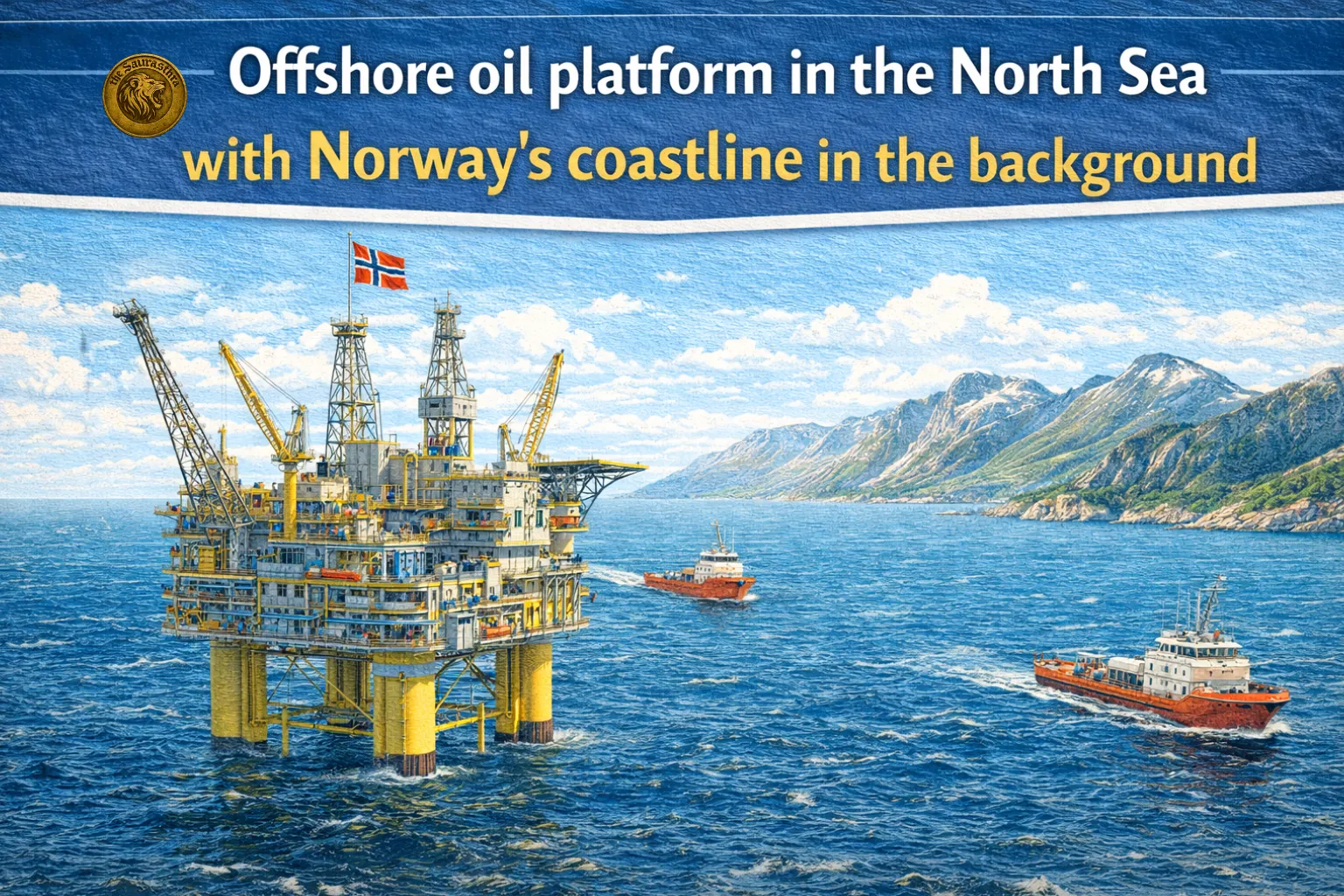
Norway is widely recognized as one of the world’s most stable and prosperous economies. Despite a relatively small population, the country has achieved remarkable economic success through careful resource management, strong institutions, and long-term planning. Rather than relying solely on market forces, Norway has built a balanced economic model that combines private enterprise, public ownership, and a comprehensive welfare system.
This article explores the economy of Norway, examining its energy sector, trade relations, labor market, welfare policies, and its position in the global economic landscape.
Foundations of the Norwegian Economy
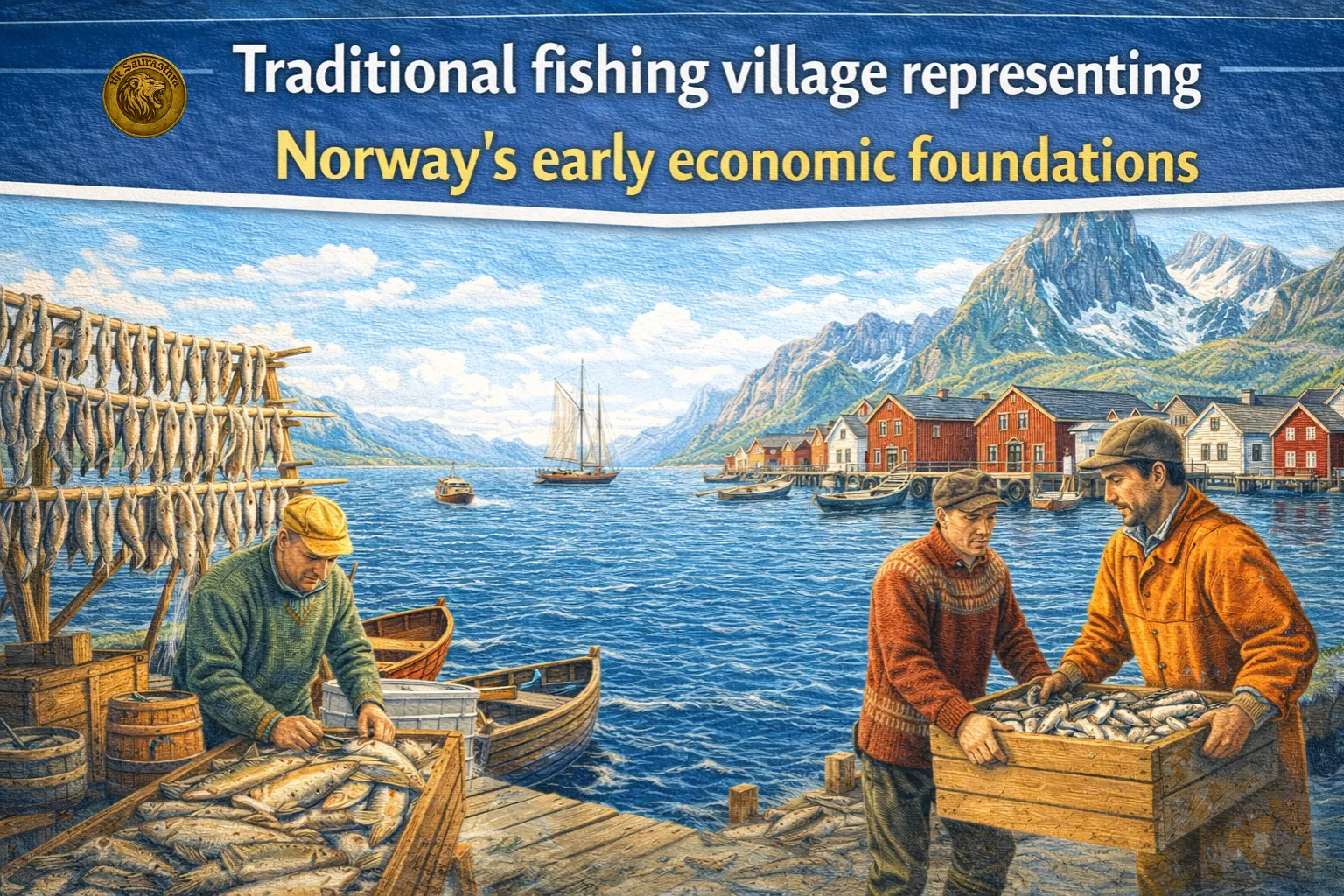
Historically, Norway’s economy was based on fishing, agriculture, forestry, and maritime trade. For centuries, coastal communities depended on the sea, while inland regions relied on farming and natural resources.
The modern transformation of Norway’s economy accelerated in the second half of the 20th century, driven by industrial development and the discovery of offshore energy resources.
Oil and Gas: Transforming Norway’s Economic Future
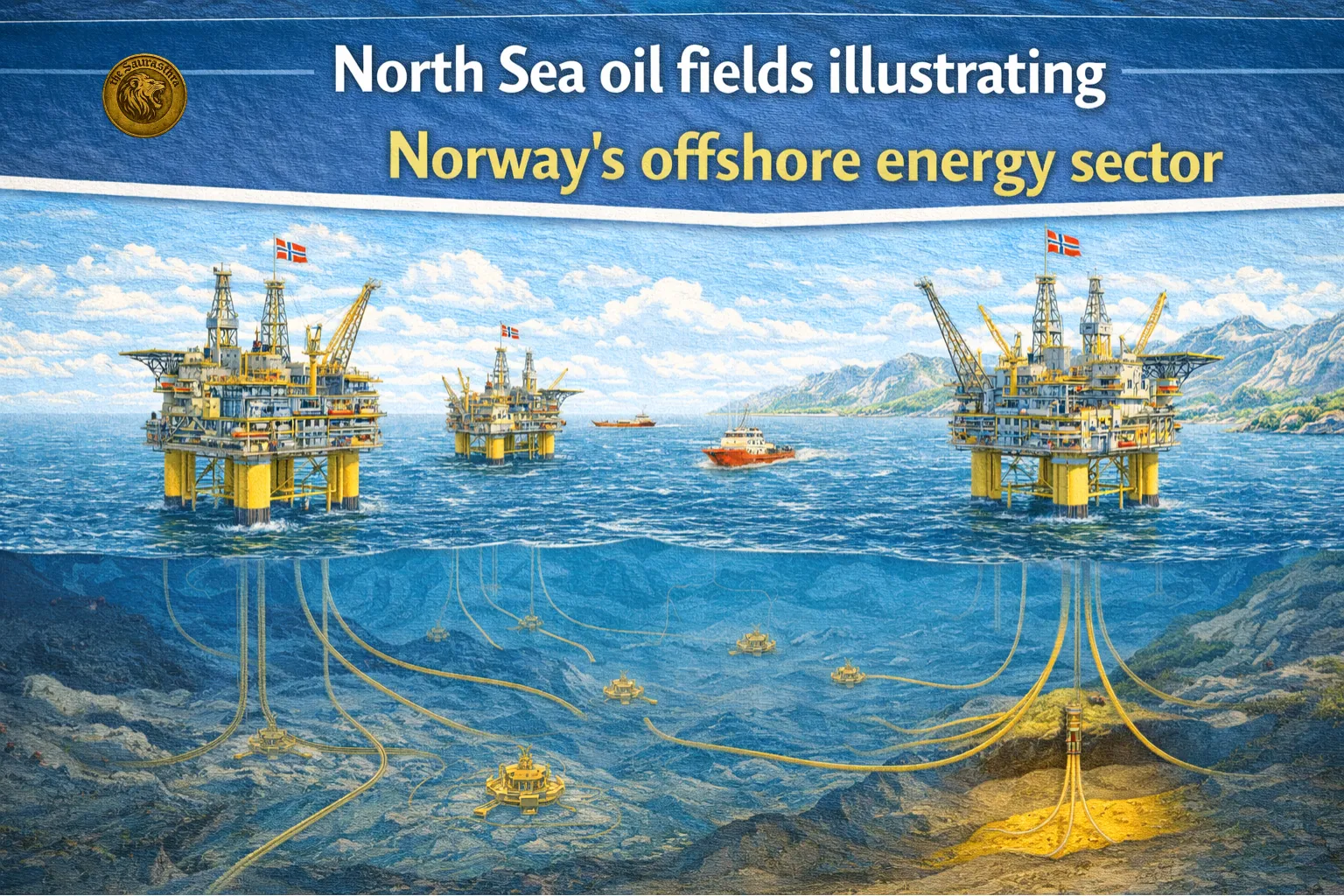
The discovery of oil and natural gas in the North Sea during the late 1960s marked a turning point in Norway’s economic history. Energy production rapidly became a cornerstone of national wealth.
Responsible Resource Management
Unlike many resource-rich nations, Norway adopted a cautious and strategic approach to energy development. Key principles included:
- Strong state participation
- Strict environmental regulation
- Long-term investment planning
Revenue from oil and gas is not spent recklessly but saved and invested for future generations.
The Government Pension Fund Global
One of Norway’s most distinctive economic institutions is the Government Pension Fund Global, often referred to as Norway’s sovereign wealth fund. Financed primarily by oil revenues, it is one of the largest investment funds in the world.
Purpose and Global Influence
The fund is designed to:
- Secure long-term national wealth
- Stabilize the economy during downturns
- Ensure intergenerational fairness
Investments are spread globally across stocks, bonds, and real estate, reinforcing Norway’s role in international finance.
Trade and International Economic Relations
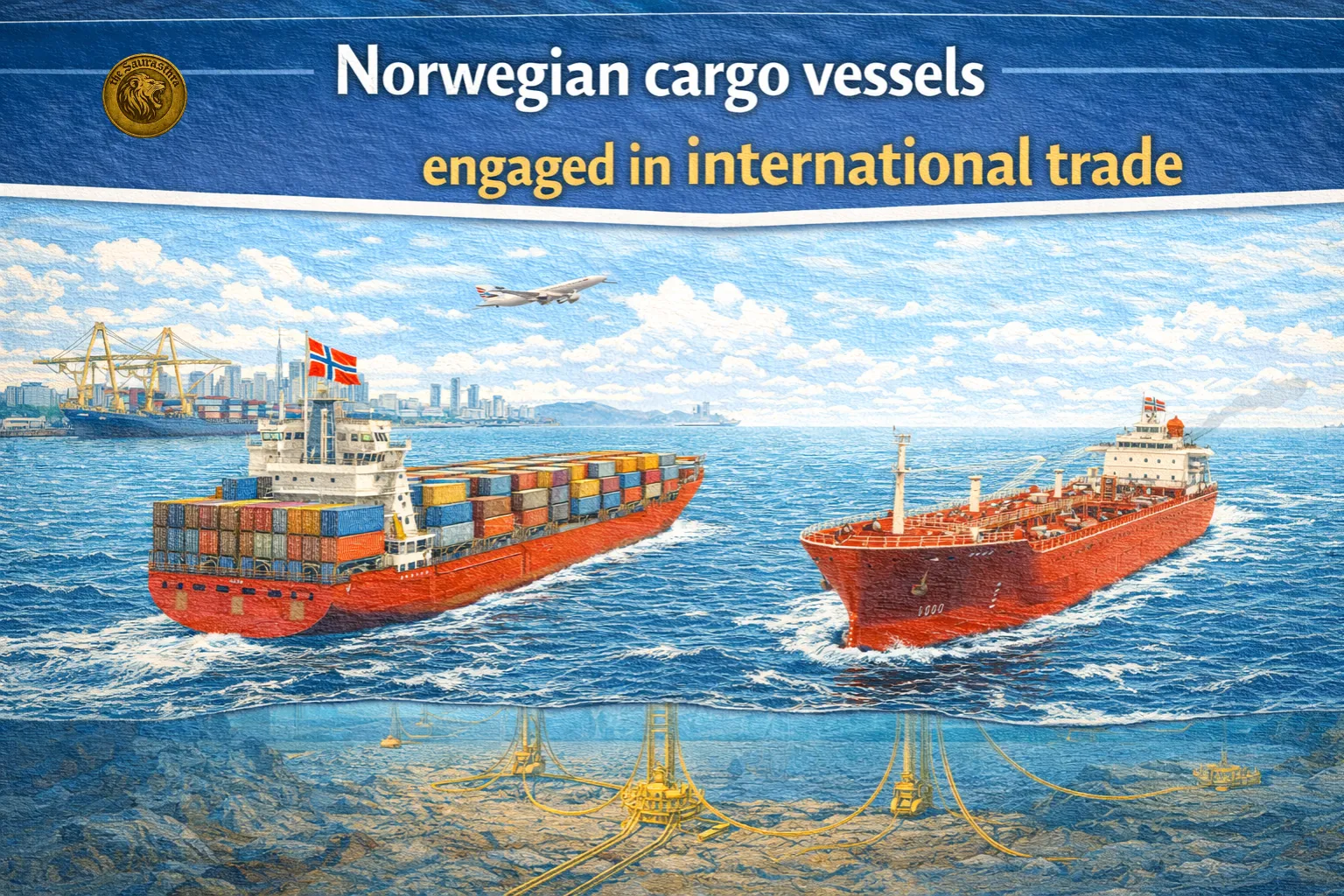
Norway is a highly open economy, deeply integrated into global trade networks. Key exports include:
- Energy products
- Seafood
- Industrial goods
- Maritime services
While not a member of the European Union, Norway participates in the European Economic Area (EEA), allowing access to the EU single market.
Labor Market and Employment Model
The Norwegian labor market is characterized by high employment, strong worker protections, and close cooperation between employers, unions, and the state.
The Nordic Model
Norway follows the Nordic economic model, which emphasizes:
- Collective wage bargaining
- Active labor market policies
- Low income inequality
This model supports productivity while maintaining social cohesion.
Welfare State and Social Security
A defining feature of Norway’s economy is its comprehensive welfare system. Funded by taxes and energy revenues, it provides universal access to healthcare, education, pensions, and social services.
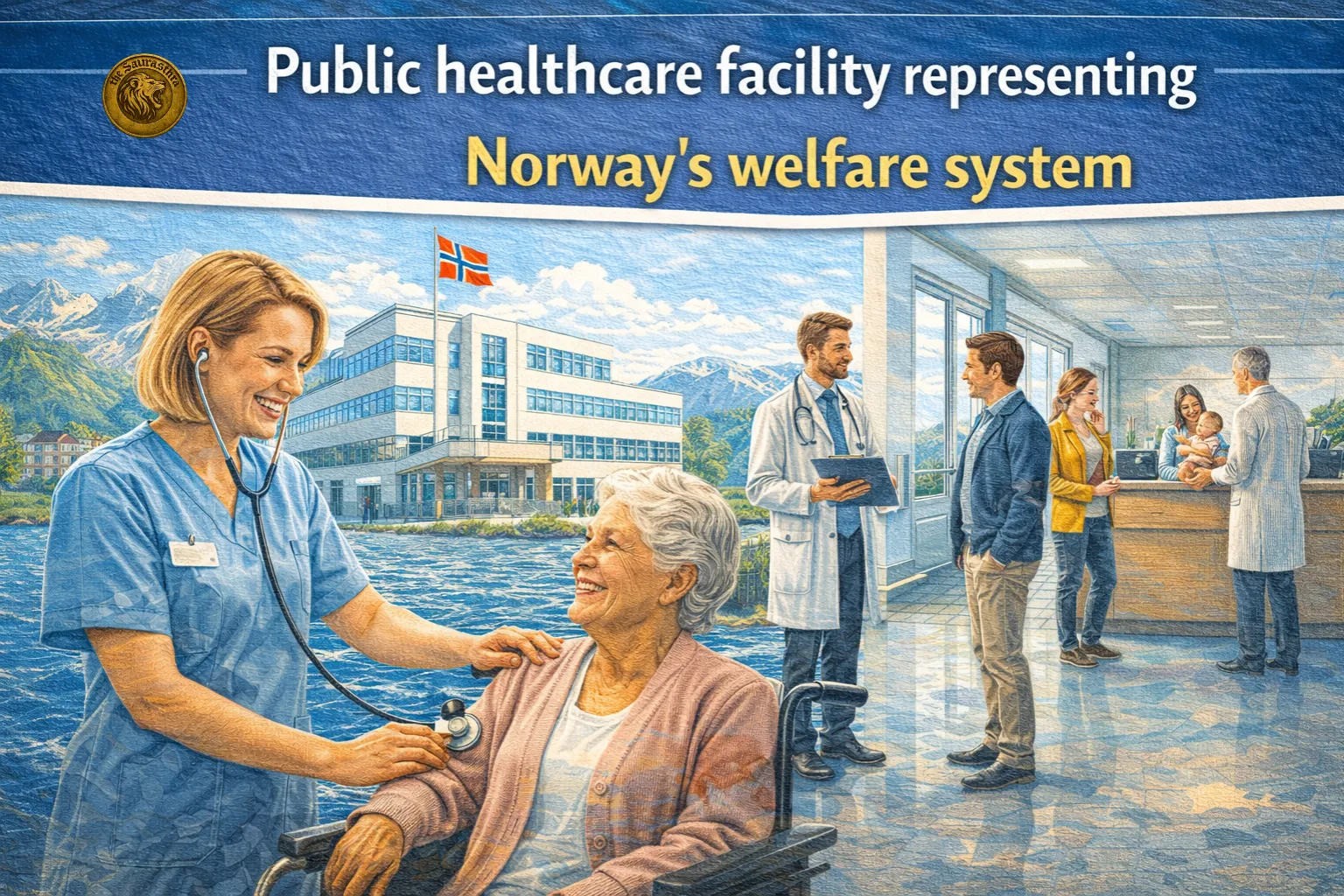
Social safety nets reduce poverty and economic insecurity, contributing to high living standards and social stability.
Innovation, Technology and Sustainability
Norway invests heavily in research, technology, and sustainable development. Innovation is particularly strong in:
- Renewable energy
- Maritime technology
- Digital services
The government actively supports green transition initiatives to prepare the economy for a post-oil future.
Economic Challenges and Future Outlook
Despite its success, Norway faces challenges such as:
- Dependence on energy exports
- Aging population
- Climate change responsibilities
Policymakers are increasingly focused on diversification, sustainability, and innovation to ensure long-term economic resilience.
Norway’s Economic Identity in the Global Context
Norway’s economy stands out for its combination of wealth, equality, and responsibility. Through prudent management of natural resources and strong institutions, the country has created a system that balances growth with social welfare.
This economic approach continues to shape Norway’s reputation as a model of sustainable prosperity.
orway in the World: Foreign Policy, NATO, European Ties and Global Influence
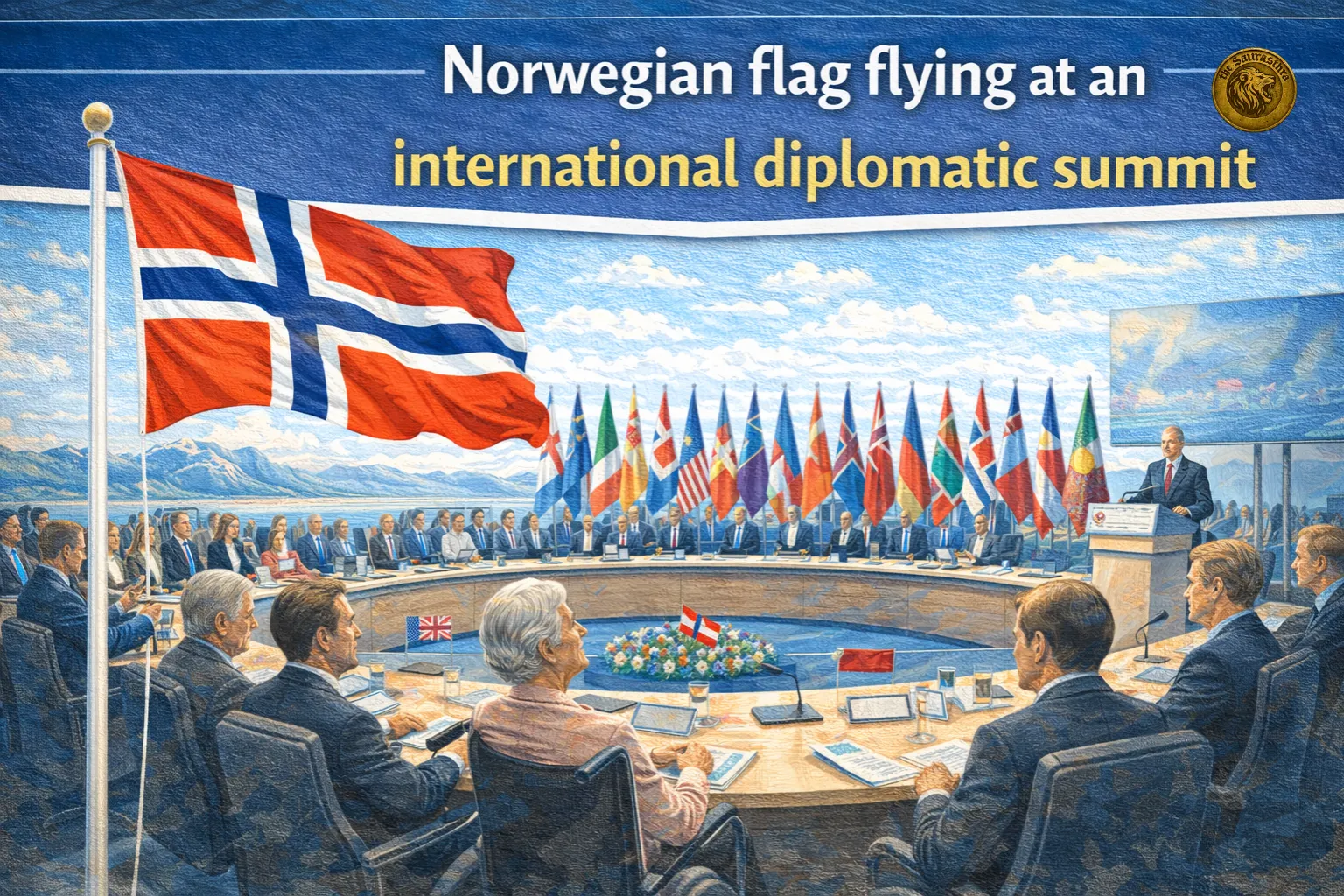
Norway may be a relatively small country in terms of population, but its voice on the global stage carries significant weight. Through diplomacy, peacebuilding, humanitarian engagement, and strategic alliances, Norway has built a reputation as a constructive and reliable international partner. Its foreign policy reflects a careful balance between national interests, global responsibility, and a strong commitment to international law.
This article examines Norway’s role in the world, focusing on its foreign policy principles, security alliances, relationship with Europe, and its growing influence in global affairs.
Foundations of Norwegian Foreign Policy
Norway’s foreign policy is rooted in historical experience, geography, and values shaped by democracy and human rights. As a country with a long coastline and proximity to the Arctic, Norway has traditionally emphasized maritime security, open trade routes, and international cooperation.
Key principles guiding Norway’s foreign policy include:
- Respect for international law
- Multilateral cooperation
- Peaceful conflict resolution
- Promotion of human rights
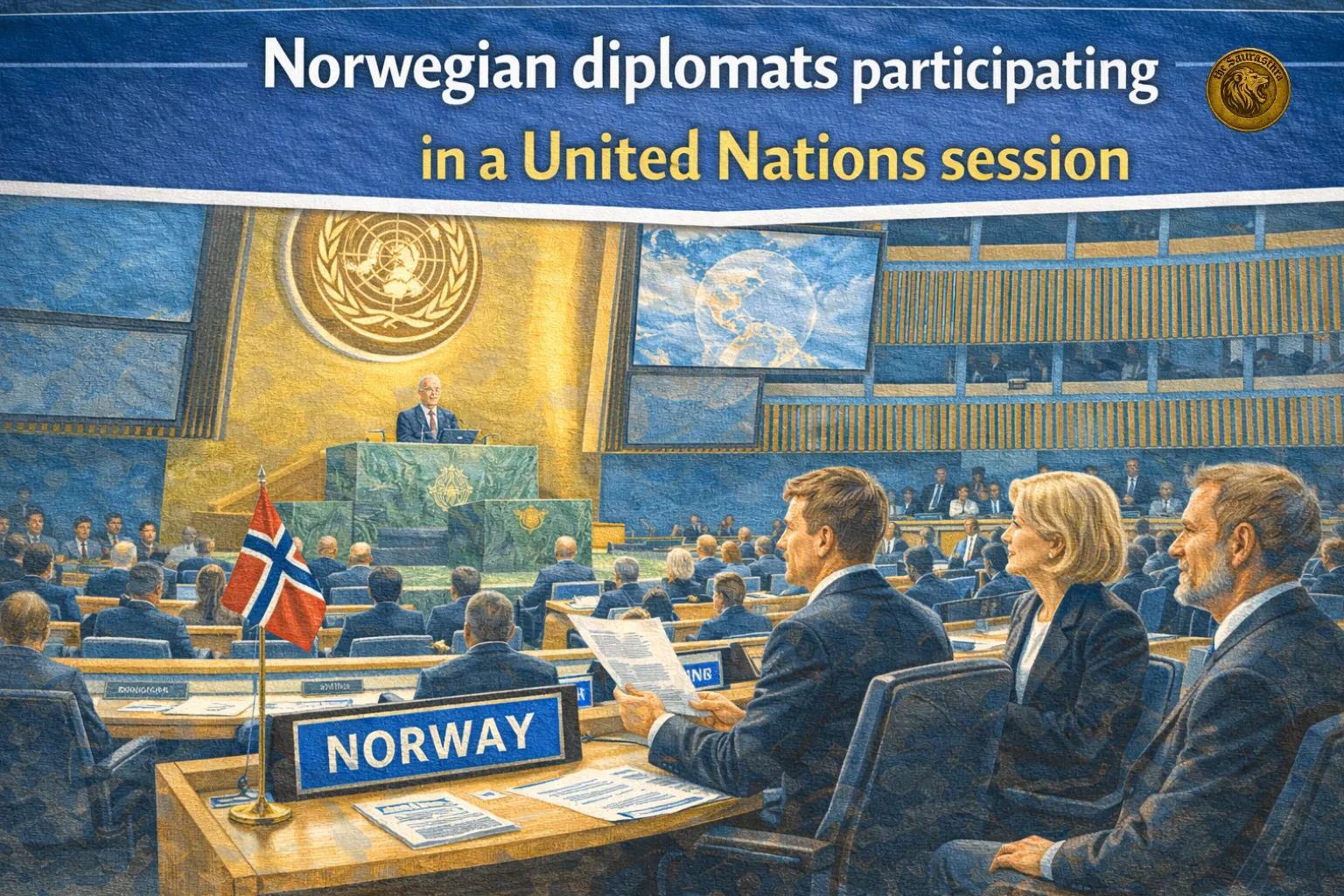
Norway and the United Nations
Norway has been an active member of the United Nations since its founding. The country consistently supports UN peacekeeping operations, humanitarian aid programs, and global development initiatives.
Peace Mediation and Diplomacy
Norway is internationally known for its role as a neutral mediator in peace processes. Norwegian diplomacy has contributed to dialogue efforts in regions affected by long-standing conflicts, reinforcing the country’s image as a promoter of peace.
This role aligns with Norway’s belief that stability and dialogue are essential for global security.
NATO Membership and Security Policy
Norway is a founding member of the North Atlantic Treaty Organization (NATO). Its membership reflects security concerns tied to geography, particularly its border with Russia and strategic position in the North Atlantic and Arctic regions.
Defense and Deterrence
Norway’s defense policy focuses on:
- Collective security
- Deterrence through alliance cooperation
- Maintaining credible national defense capabilities
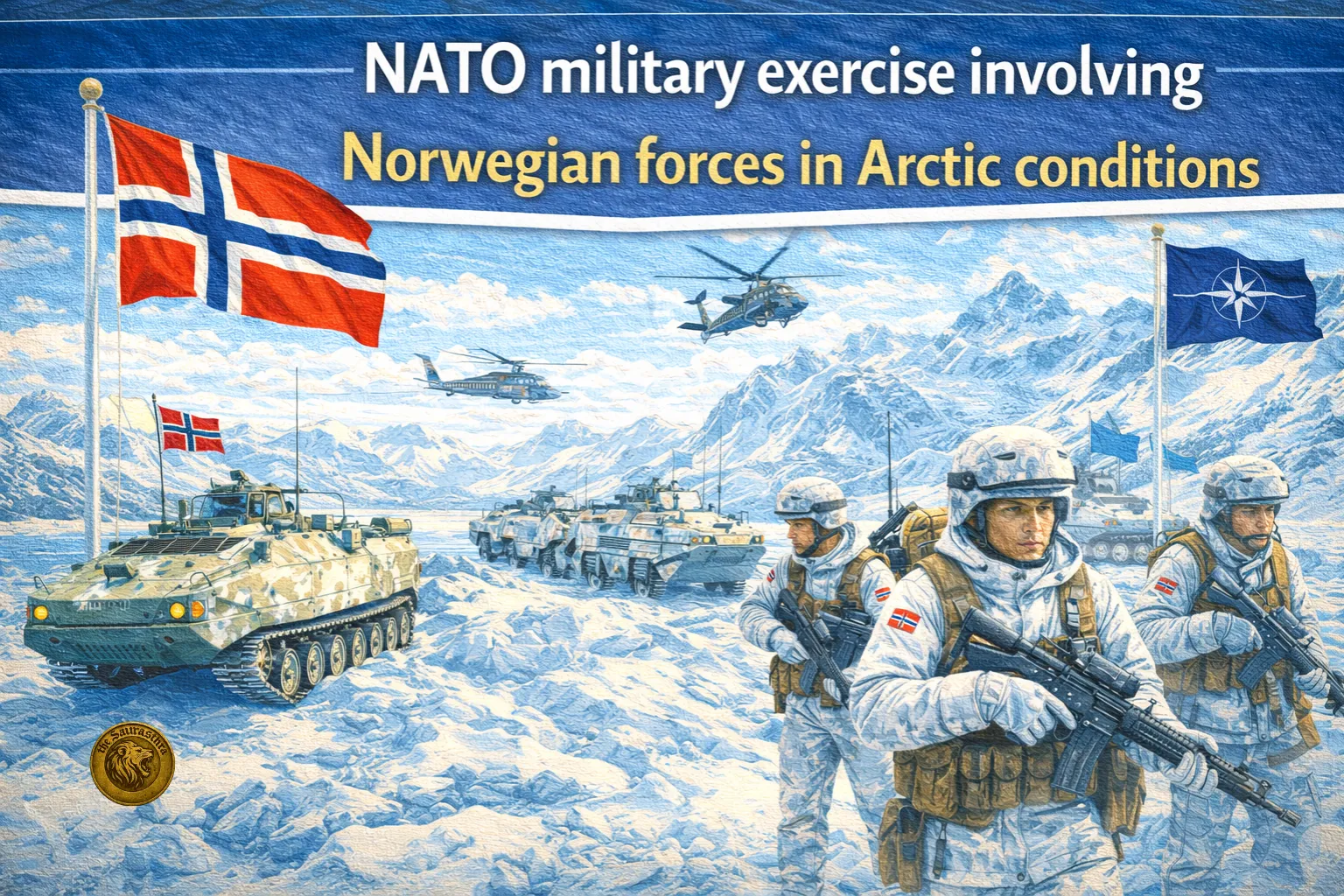
At the same time, Norway emphasizes transparency and dialogue to reduce tensions in its northern areas.
Relationship with the European Union
Although Norway is not a member of the European Union, it maintains a close and complex relationship with the EU through the European Economic Area (EEA) agreement.
Economic and Political Cooperation
Through the EEA, Norway:
- Participates in the EU single market
- Aligns with many EU regulations
- Contributes financially to reducing economic disparities in Europe
This arrangement allows Norway to benefit economically while retaining control over key policy areas such as fisheries and agriculture.
Arctic Policy and Northern Strategy
Norway’s Arctic regions play a central role in its international strategy. Climate change, resource management, and security dynamics have increased global attention on the Arctic.
Arctic Cooperation
Norway promotes peaceful cooperation in the Arctic through international forums and agreements. Scientific research, environmental protection, and sustainable development are core priorities.
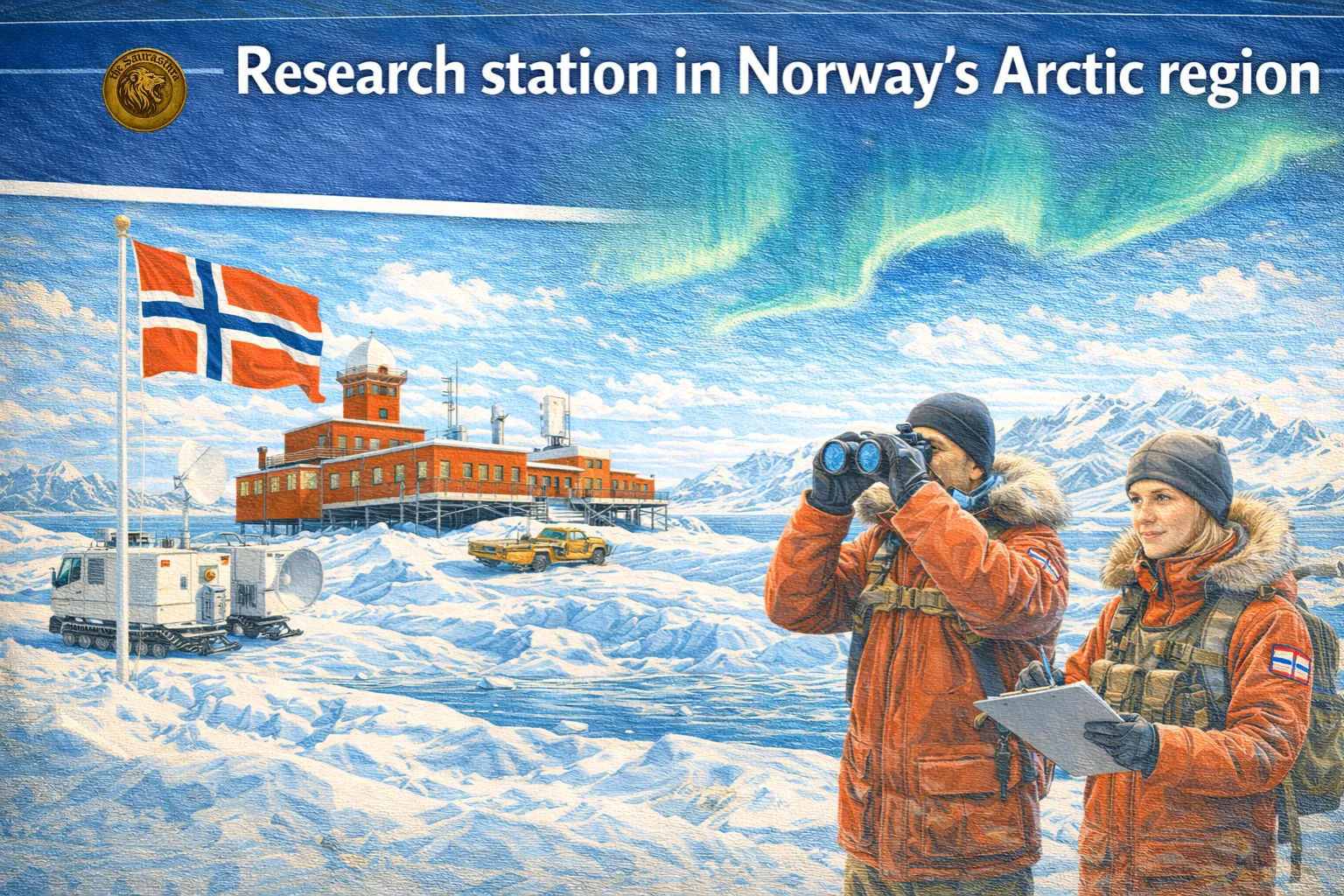
Norway also works to ensure that increased Arctic activity does not undermine regional stability.
Development Aid and Humanitarian Engagement
Norway is among the world’s leading contributors to international development aid relative to its national income. Its assistance focuses on:
- Education
- Health
- Climate adaptation
- Humanitarian relief
This commitment reflects Norway’s belief in global solidarity and shared responsibility.
Trade, Energy and Global Partnerships
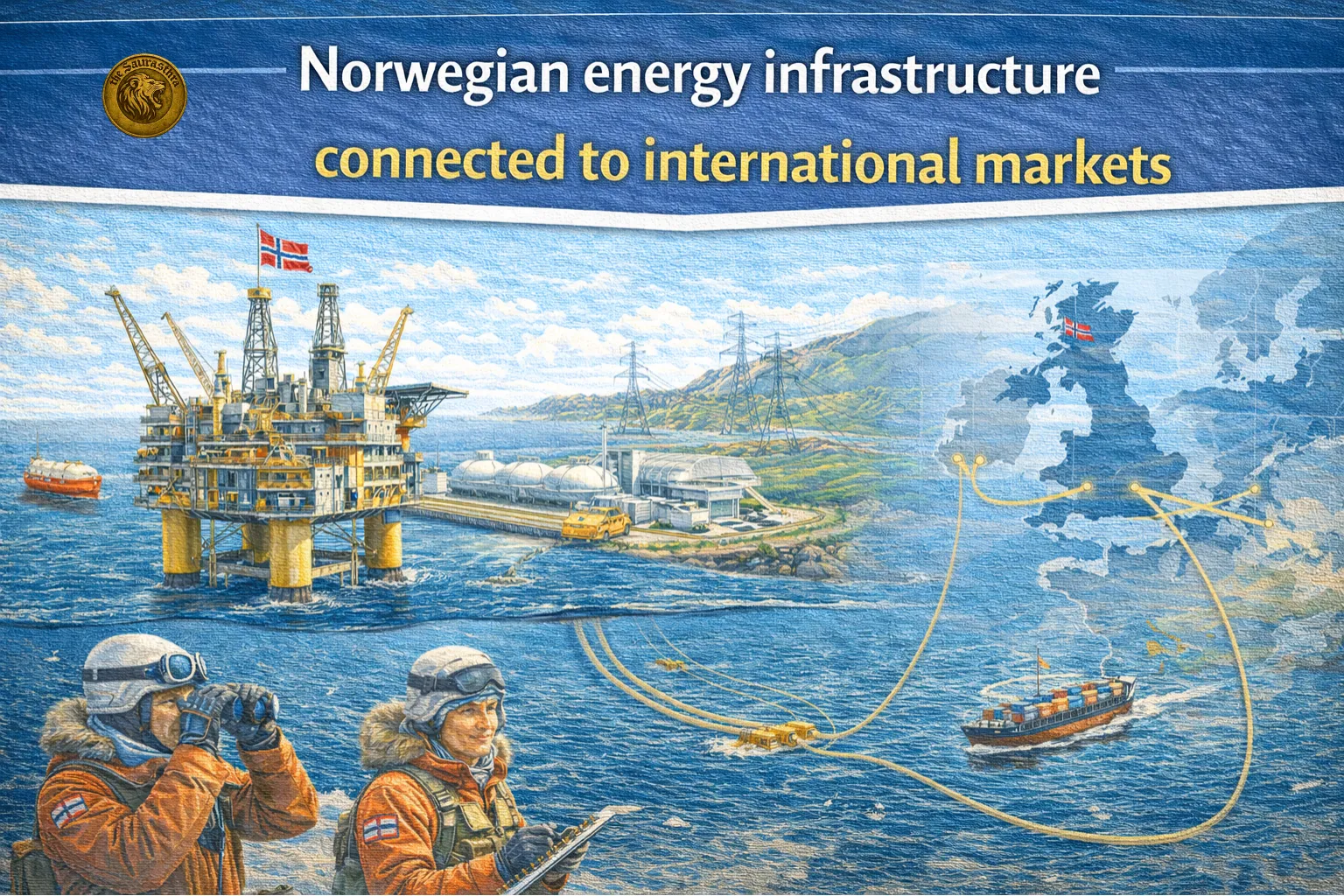
Norway’s role as a major energy exporter gives it strategic importance in global markets. At the same time, the country actively supports energy transition efforts and climate cooperation.
Norwegian companies and institutions operate globally in areas such as:
- Maritime services
- Renewable energy
- Technology and innovation
Soft Power and International Reputation
Norway’s influence extends beyond traditional diplomacy. Cultural exchange, education, environmental leadership, and peace initiatives all contribute to its global standing.
High levels of trust, transparency, and stability enhance Norway’s credibility as an international actor.
Norway’s Global Identity in a Changing World
In an era of geopolitical uncertainty, Norway continues to position itself as a responsible, pragmatic, and values-driven country. By combining security commitments with humanitarian engagement, Norway maintains a balanced and respected international role.
This approach ensures that Norway remains an influential participant in global affairs despite its size.
Modern Norway: Cities, Infrastructure, Technology and the Road Ahead
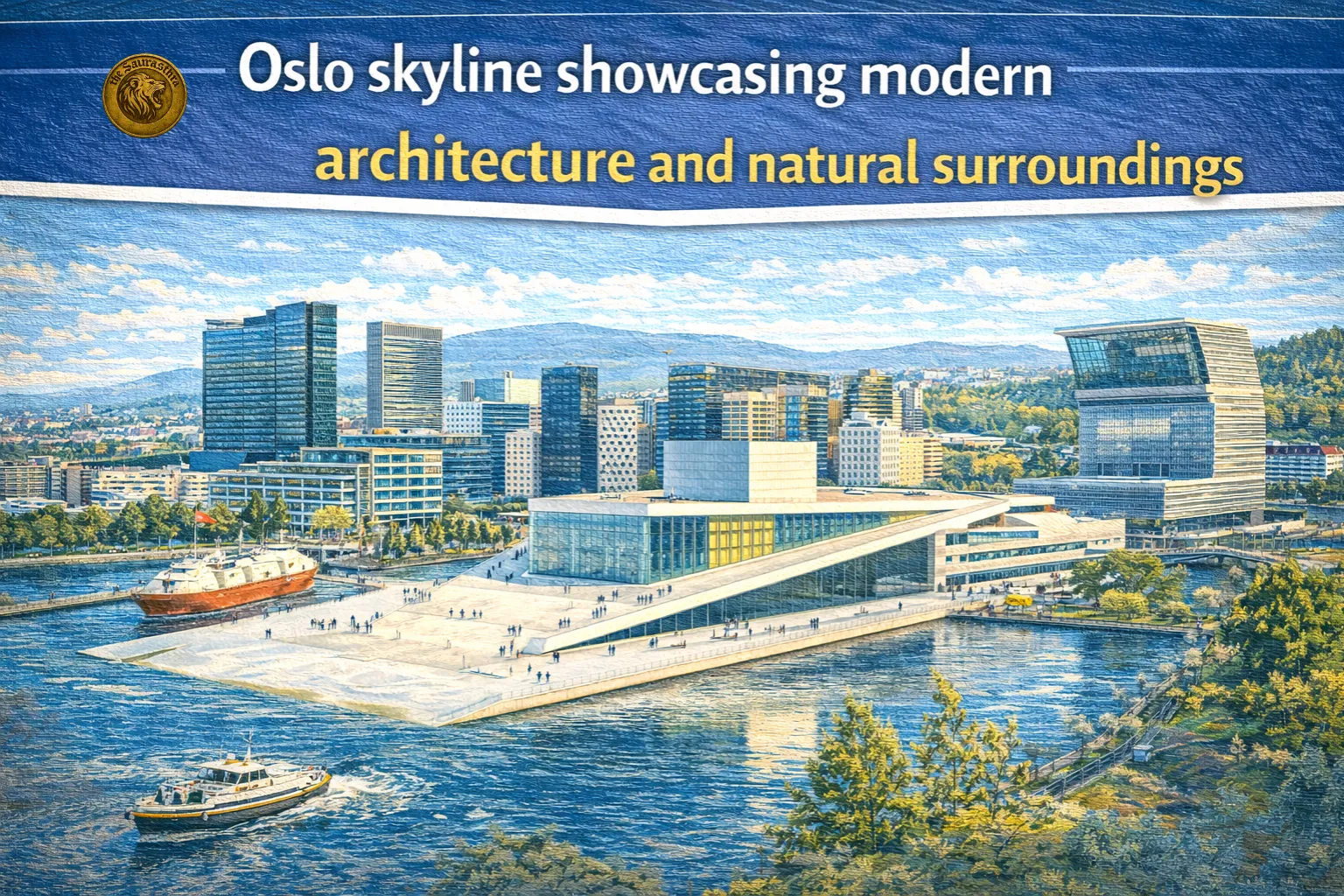
Modern Norway represents the outcome of centuries of adaptation, reform, and forward-looking decision-making. Today, the country is known not only for its natural beauty and economic stability but also for its advanced infrastructure, innovative technologies, and high quality of life. Norway has successfully balanced modernization with environmental responsibility and social inclusion, making it a global reference point for sustainable development.
This final article explores contemporary Norway, focusing on urban life, infrastructure, digital transformation, environmental strategy, and future prospects.
Urban Life and Major Cities in Norway
Norway’s cities are compact, well-planned, and closely connected to nature. Urban development emphasizes sustainability, accessibility, and livability rather than unchecked expansion.
Oslo: The Capital and Cultural Hub
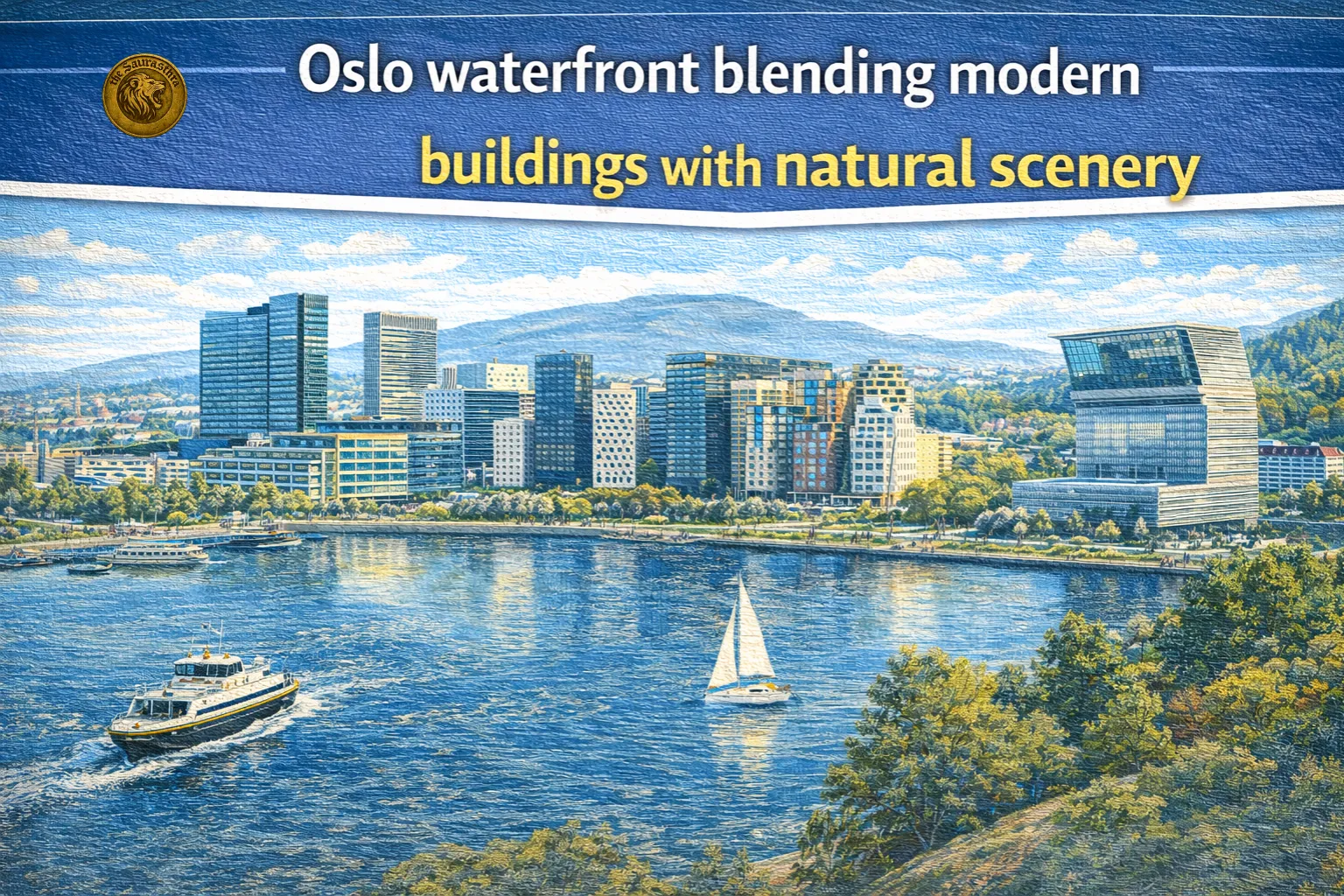
Oslo is the political, economic, and cultural heart of Norway. It hosts government institutions, universities, museums, and a growing technology sector.
Other Key Cities
- Bergen: Known for its maritime heritage and cultural scene
- Trondheim: A historic city with strong research and education institutions
- Stavanger: A center for energy, innovation, and industry
Each city contributes uniquely to Norway’s national identity and economic landscape.
Transportation and Infrastructure
Norway’s challenging geography has required innovative infrastructure solutions. Roads, bridges, tunnels, and railways are designed to connect remote regions safely and efficiently.
Public Transport and Mobility
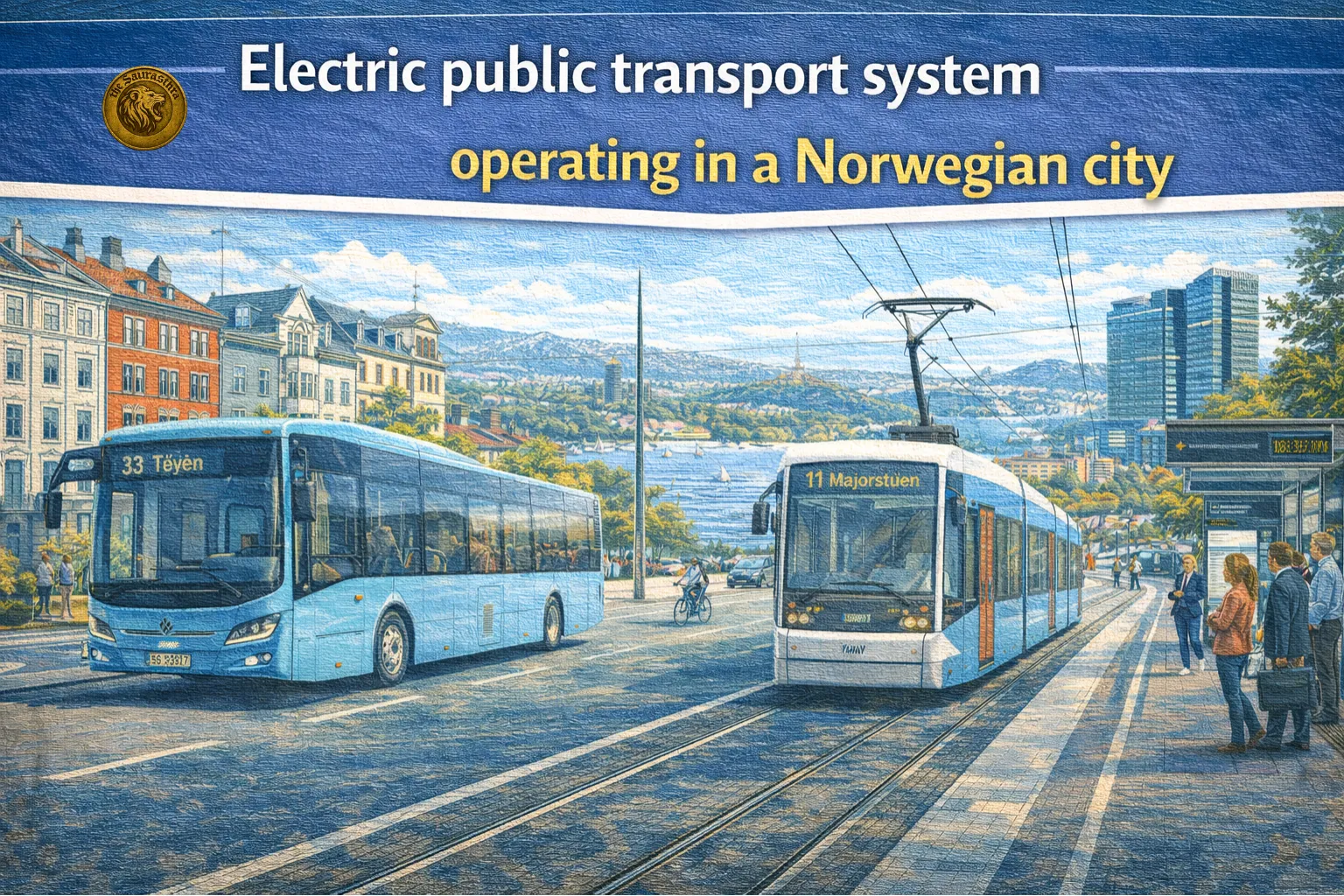
Norway invests heavily in public transport, including rail networks, electric buses, and ferries. Urban mobility strategies prioritize low-emission solutions and accessibility.
Digital Transformation and Technology
Norway ranks among the world’s most digitally advanced countries. High internet penetration, digital public services, and strong cybersecurity frameworks support both citizens and businesses.
E-Government and Innovation
Public services are largely digitized, enabling efficient communication between citizens and the state. Norway also supports innovation in fields such as:
- Clean technology
- Artificial intelligence
- Maritime automation
These investments strengthen competitiveness in a global digital economy.
Environmental Leadership and Climate Strategy
Environmental responsibility is a central pillar of modern Norway. While the country remains an energy exporter, it actively pursues climate goals and sustainability initiatives.
Green Transition
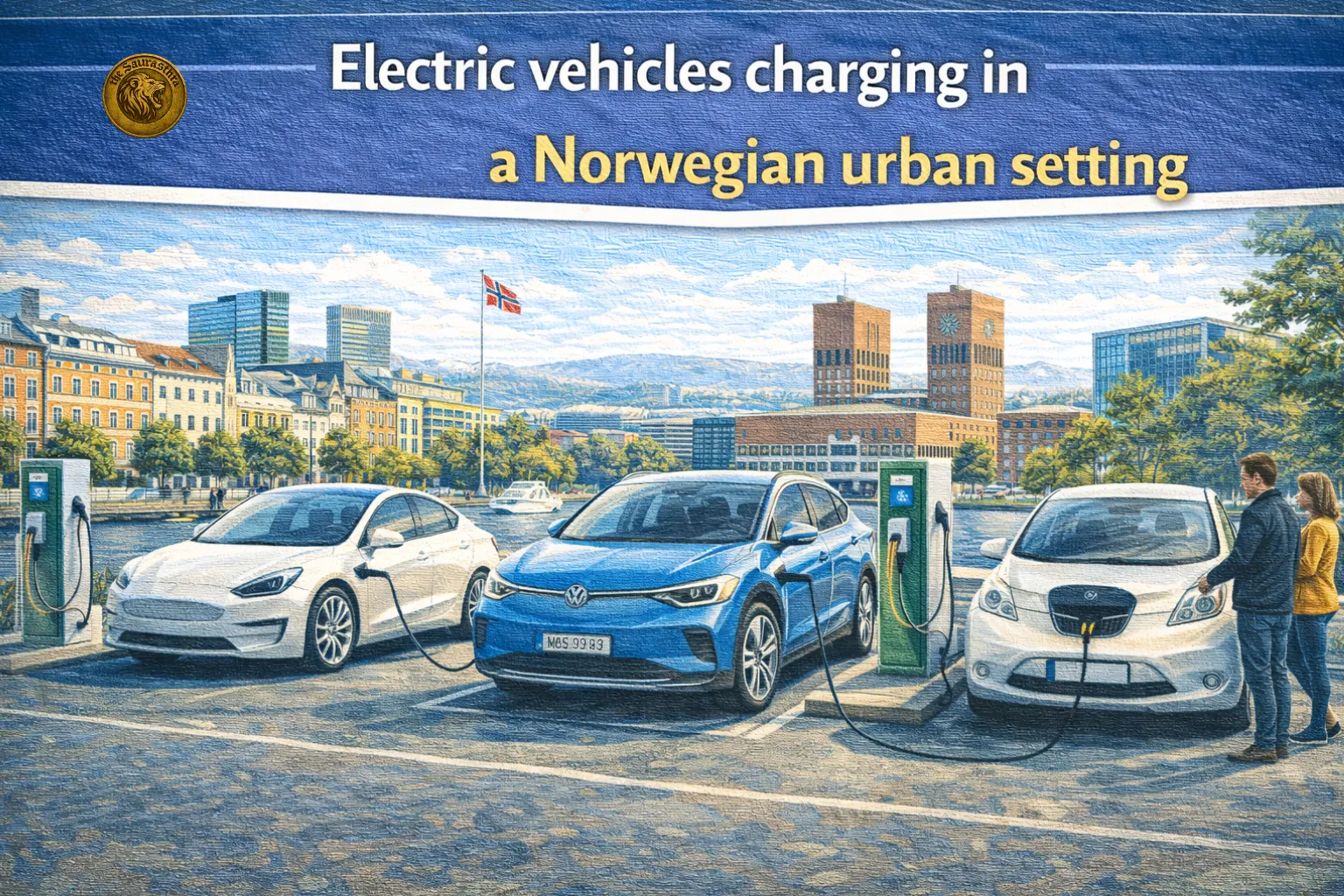
Norway leads in:
- Electric vehicle adoption
- Renewable energy production
- Climate research and policy development
Balancing economic activity with environmental protection remains a key policy challenge and priority.
Healthcare, Wellbeing and Quality of Life
Norway consistently ranks high in global quality-of-life indexes. Universal healthcare, strong social security, and emphasis on work-life balance contribute to overall wellbeing.
Outdoor recreation, cultural participation, and community engagement are integral parts of everyday life.
Education, Research and Knowledge Economy
Norway continues to invest in education and research as foundations for future growth. Universities collaborate with industry to drive innovation, particularly in sustainability and technology.
International collaboration and academic openness strengthen Norway’s role in global knowledge networks.
Social Inclusion and Future Challenges
Modern Norway faces challenges shared by many developed societies, including:
- Demographic changes
- Integration of immigrants
- Adapting to climate change
Policy responses focus on inclusion, education, and long-term resilience rather than short-term fixes.
Norway’s Vision for the Future
Looking ahead, Norway aims to remain a society that values democracy, sustainability, and global cooperation. Long-term planning, responsible governance, and public engagement underpin this vision.
By learning from its past and investing in its future, Norway continues to position itself as a model of balanced development in a rapidly changing world.
Series Conclusion
This multi-part series has explored Norway in depth—from its geography and history to its people, politics, economy, global role, and modern society. Together, these articles provide a comprehensive, original, and fully rewritten portrait of a country shaped by nature, resilience, and forward-thinking values.