International Day of Neutrality has emerged as one of the most significant observances in the global calendar, emphasizing diplomacy, peacebuilding, and cooperation at a time when geopolitical tensions continue to shape international relations. Marked annually on December 12, the day serves as a reminder that neutral positions, when embraced with responsibility and conviction, can contribute to stability and conflict prevention across nations. As global challenges become increasingly interconnected, the principles behind this observance hold renewed relevance for governments, institutions, and citizens alike.
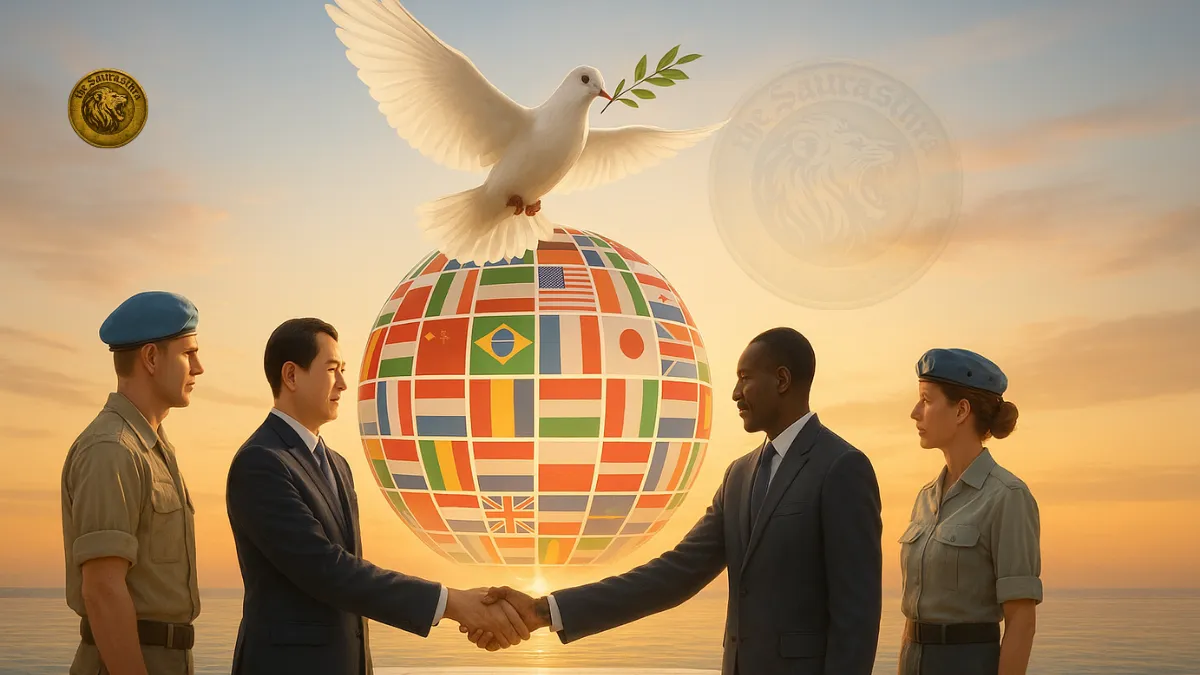
Neutrality, in an international context, is not a passive stance but a strategic commitment to non-participation in armed conflicts, prioritization of peaceful dialogue, and promotion of humanitarian values. Countries that adopt neutrality pledge to refrain from supporting one conflicting party against another, uphold international law, and foster cooperation based on equality. The International Day of Neutrality brings these ideals to the forefront, encouraging the world to reflect on policy choices that can reduce polarization and promote collective progress.
This comprehensive article explores the origins, evolution, practical implications, and modern importance of neutrality in global affairs. The aim is to provide an in-depth understanding of why the International Day of Neutrality stands as a crucial pillar in advancing peaceful coexistence.
Origins and Evolution of the International Day of Neutrality
The concept of neutrality dates back centuries, but its formal recognition on an international scale gained momentum with the formation of multilateral organizations focused on global peace. The United Nations adopted the International Day of Neutrality through a resolution introduced by Turkmenistan in 2017, recognizing the country’s longstanding neutral foreign policy and its efforts to promote peace-oriented diplomacy.
Neutrality has been associated with certain nations throughout history, most notably Switzerland, whose neutral stance has been integral to its identity for more than 500 years. However, the contemporary interpretation of neutrality has expanded beyond the idea of staying out of war. It now encompasses broader principles such as supporting conflict resolution, fostering interstate trust, and encouraging disarmament.
The International Day of Neutrality celebrates these multidimensional aspects of neutrality, urging countries and global organizations to adopt frameworks that encourage peaceful mediation over confrontation. It also provides a platform for assessing how neutrality contributes to sustainable development, security, and global cooperation.
Significance of Neutrality in Modern International Relations
Neutrality plays a powerful role in shaping diplomatic strategies in the modern world. In an era where conflicts have transnational consequences, neutral states often serve as mediators, hosting peace talks, humanitarian negotiations, and multilateral dialogues. Their impartiality helps create environments where opposing forces can engage constructively.
The International Day of Neutrality emphasizes that neutrality does not mean disengagement. Rather, it encourages proactive involvement in humanitarian aid, conflict resolution, and global policymaking. Neutral states often support peacekeeping missions, provide platforms for international arbitration, and advocate for adherence to international law.
These contributions are essential in addressing challenges such as border disputes, ethnic conflicts, environmental crises, and cyber insecurities. Neutrality thus becomes a tool for strengthening global governance systems and advancing collective security.
Key Principles Underlying Neutrality
Neutrality rests on well-defined principles recognized by international law. These core ideas guide both state policies and international expectations:
- Non-participation in armed conflict: A neutral state abstains from joining military alliances or supporting conflicting parties.
- Impartial mediation: Neutral parties prioritize fairness in negotiations and diplomatic engagements.
- Respect for sovereignty: Neutrality reinforces the sovereignty of all nations, promoting equal rights and non-interference.
- Humanitarian commitment: Neutral states contribute to relief operations and advocate for civilian protection during crises.
- Adherence to international law: Neutrality is inseparable from the principles of the UN Charter, including peaceful conflict resolution and non-aggression.
The International Day of Neutrality serves as an annual reminder of these guiding principles and their impact on fostering a stable international order.
Global Observance and Activities
Countries and organizations worldwide commemorate the International Day of Neutrality through events highlighting diplomacy and peaceful relations. Educational institutions host seminars discussing the role of neutrality in global politics, while think tanks publish research on conflict prevention strategies.
Governments often issue statements reaffirming their commitment to peaceful interactions. Civil society groups conduct awareness programs demonstrating how neutrality contributes to human rights protection and social harmony. International organizations use the occasion to emphasize multilateralism and cooperative problem-solving.
Workshops on mediation, arbitration training sessions, and public dialogues on global peace reflect the day’s spirit. These engagements serve as platforms for sharing best practices and successful examples of neutral diplomacy in action.
The Role of Neutral and Non-aligned Countries
Neutrality and non-alignment often intersect, though each follows different historical and ideological trajectories. Non-aligned countries, particularly those associated with the Non-Aligned Movement (NAM), prioritize independence from major power blocs. While not all non-aligned states are neutral, many adopt neutrality-oriented policies during global conflicts.
Neutral nations frequently act as bridges between polarized regions. Their balanced approach allows them to facilitate negotiations without the constraints faced by states aligned to military or political alliances. The International Day of Neutrality highlights the importance of such mediators in reducing tensions and promoting peace.
Examples of impactful neutral diplomacy include hosting international conventions, supporting refugee protection frameworks, and contributing to humanitarian corridors during crises. These efforts reinforce trust and expand diplomatic cooperation among states.
Neutrality and the United Nations
Neutrality aligns closely with the UN Charter’s emphasis on peaceful resolution of conflicts. The United Nations relies on neutral states to host negotiations, mediate disputes, and support the implementation of peace agreements.
The International Day of Neutrality also draws attention to UN initiatives such as preventive diplomacy, confidence-building measures, and conflict de-escalation strategies. Neutral countries significantly contribute to peacekeeping missions, even when they refrain from taking sides in conventional conflicts.
Many neutrality-oriented policies also align with the UN Sustainable Development Goals (SDGs), which advocate for peaceful, inclusive societies and strong institutions. The observance encourages nations to integrate neutrality principles into their domestic and foreign policy agendas for long-term global stability.
Neutrality in Humanitarian Work
Neutrality forms a foundation for humanitarian organizations such as the International Committee of the Red Cross (ICRC). For aid workers to operate safely in conflict zones, they must maintain neutrality, ensuring they do not support any party involved in violence.
The International Day of Neutrality highlights the importance of this principle in safeguarding humanitarian corridors, medical missions, and emergency relief operations. Neutrality ensures aid reaches civilians without political or military interference.
By promoting impartiality, humanitarian neutrality supports the protection of vulnerable populations, including refugees, internally displaced persons, and victims of natural disasters. This principle remains integral to global humanitarian law and practice.
Neutrality and Global Security Challenges
The world faces complex security challenges, including cyber threats, terrorism, nuclear proliferation, and geopolitical rivalries. Neutrality provides a framework for addressing these issues without escalation.
Neutral nations often take active roles in arms control negotiations, cybersecurity dialogue, and counterterrorism cooperation—while maintaining their non-aligned stance. Their involvement helps build trust among conflicting states.
The International Day of Neutrality encourages a renewed commitment to reducing global tensions through non-military strategies. By prioritizing dialogue and collaborative problem-solving, neutrality contributes to lowering the risks of conflict escalation.
Table: Key Aspects of Neutrality and Their Global Impact
| Aspect of Neutrality | Description | Global Impact |
|---|---|---|
| Non-participation in conflicts | States avoid involvement in armed disputes | Reduces escalation and promotes stability |
| Impartial mediation | Acts as a fair facilitator in negotiations | Encourages peaceful conflict resolution |
| Humanitarian neutrality | Ensures aid is delivered without bias | Protects civilians and supports relief efforts |
| Support for international law | Upholds UN Charter principles | Strengthens global legal frameworks |
| Diplomatic cooperation | Builds trust among rival states | Enhances multilateral relations |
| Sovereignty respect | Avoids interference in internal affairs | Promotes equality and peaceful coexistence |
Neutrality and Economic Development
Neutrality can also influence economic growth. Countries with neutral policies often cultivate strong international partnerships because they are perceived as politically stable and reliable. This stability attracts foreign investment, promotes trade, and enhances innovation.
The International Day of Neutrality helps highlight how peace-oriented policies encourage sustainable development. Stability creates favorable conditions for tourism, business, and cultural exchange. It also strengthens domestic institutions by reducing militarization and redirecting resources toward social welfare and infrastructure.
Neutrality has both symbolic and practical economic advantages, making it a strategic choice for countries seeking long-term progress.
Cultural and Social Dimensions of Neutrality
Neutrality extends into cultural and societal spheres. It promotes values such as tolerance, coexistence, and respect for diversity. Societies that embrace neutrality often foster dialogue across cultural, religious, and ethnic lines.
The International Day of Neutrality provides an opportunity to reflect on how communities can adopt non-confrontational approaches to resolving disputes. Educational programs emphasize the importance of peace, mutual understanding, and empathy, cultivating a new generation that values diplomatic solutions over hostility.
Cultural exchanges facilitated by neutral states contribute to global unity by bridging gaps between nations with differing traditions and ideologies.
Examples of Neutral States and Their Contributions
- Switzerland
Known globally for its longstanding neutral stance, Switzerland continues to host major international organizations and peace negotiations. - Austria
Its neutrality, adopted after World War II, has enabled it to become a center for diplomacy and international cooperation. - Turkmenistan
Recognized by the UN for its permanent neutrality, Turkmenistan was instrumental in establishing the International Day of Neutrality. - Ireland
A militarily neutral nation, Ireland is active in peacekeeping missions and humanitarian efforts.
These examples illustrate how neutrality can take diverse forms while contributing meaningfully to peace and collaboration.
Challenges to Practicing Neutrality
Despite its benefits, neutrality faces several challenges:
- Geopolitical pressure from larger powers
- Economic dependencies that complicate impartiality
- Expectations of active involvement in international crises
- Rising global polarization
The International Day of Neutrality encourages dialogue on overcoming these obstacles. Neutral states must continually reaffirm their principles while adapting to evolving political landscapes.
Neutrality in the Digital Age
In an increasingly digital world, neutrality extends beyond traditional diplomacy. Cybersecurity, information warfare, and digital rights now form part of the global security framework.
Neutral countries are uniquely positioned to foster dialogue on digital governance, responsible use of technology, and cyber-peace initiatives. The International Day of Neutrality promotes these conversations, highlighting the need for rules-based digital cooperation.
Neutrality in cyberspace involves:
- Avoiding participation in offensive cyber operations
- Supporting global internet governance frameworks
- Mediating disputes involving digital attacks or misinformation
As nations confront new technological challenges, neutral strategies help create safer and more ethical digital ecosystems.
Importance of the International Day of Neutrality for Future Generations
Younger generations inherit a world shaped by complex conflicts and unprecedented global interconnectedness. By promoting neutrality, this international observance encourages young people to prioritize dialogue, empathy, and cooperative solutions.
Educational programs linked to the International Day of Neutrality often emphasize subjects such as human rights, global citizenship, and conflict resolution. These teachings enable future leaders to navigate international issues with a balanced and principled mindset.
An informed and peace-oriented youth population strengthens the foundation of neutrality as a global value.
Read also: International Mountain Day: Understanding the Significance of the World’s High Altitudes
The Way Forward: Reinforcing Neutrality in a Turbulent World
As global tensions fluctuate, the need for neutral mediators becomes more pronounced. The International Day of Neutrality serves as a timely reminder that peace is not a passive achievement but an active pursuit requiring collaboration, patience, and diplomacy.
Neutrality should not be viewed as detachment but as a commitment to fostering constructive engagement. Nations that value peace must support institutions that encourage dialogue and uphold global legal norms.
The path ahead involves expanding diplomacy, investing in peace education, promoting international cooperation, and strengthening humanitarian initiatives. Neutrality can guide these efforts, offering a framework for reducing conflict and building a secure, harmonious world.
Read also: International Migrants Day 18 December: Understanding the Global Movement of People
Conclusion
International Day of Neutrality stands as an essential global observance that underscores the importance of impartiality, diplomacy, and peaceful coexistence. As nations confront ongoing conflicts and emerging security threats, the principles of neutrality gain renewed relevance. Neutrality supports humanitarian protection, fosters economic stability, and strengthens global governance.
By understanding and embracing the values highlighted on this day, countries and individuals contribute to a more balanced and cooperative world. The observance underscores the responsibility shared by the international community to promote peace not only through words but through sustained action.
Neutrality, when practiced with integrity, becomes a powerful force for global stability. The International Day of Neutrality invites us to recognize this potential and apply it thoughtfully in building a future rooted in harmony, justice, and mutual respect.