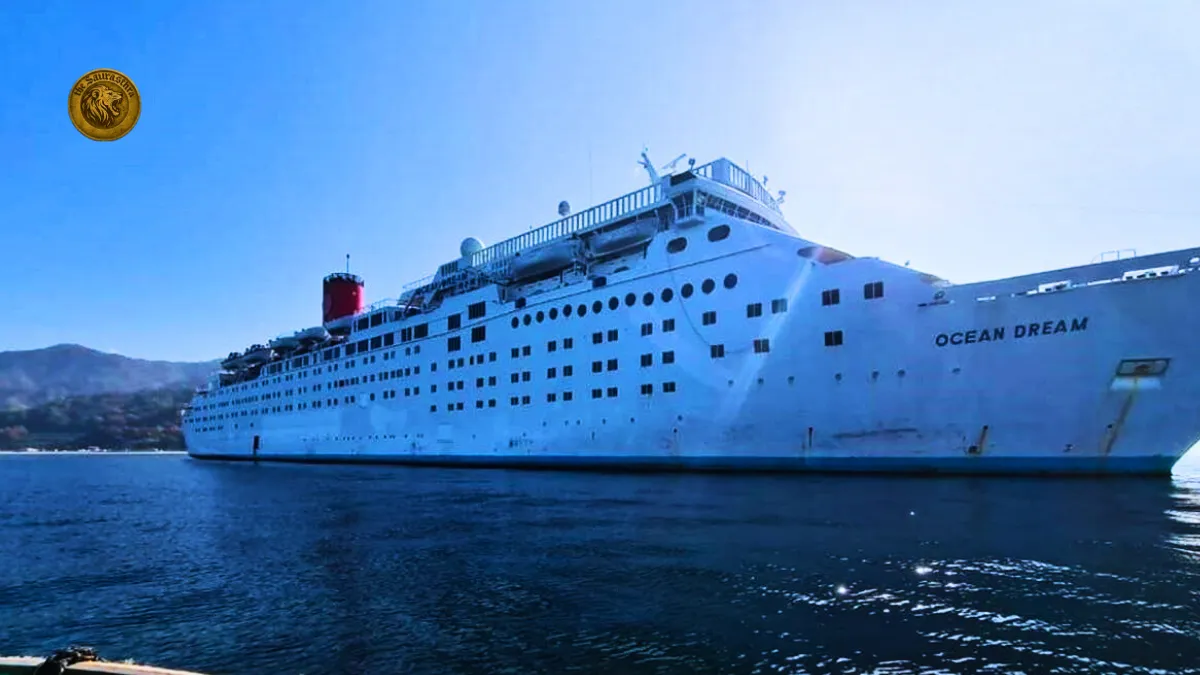
The bhavnagar alang ship breaking yard stands today as one of the most remarkable industrial hubs in the global maritime world, a place where the life cycle of the world’s largest ships comes to an end and a new cycle of materials, resources, and livelihoods begins. Located along the Gulf of Khambhat in Gujarat, this vast coastal stretch has evolved into an ecosystem of workers, traders, engineers, and marine specialists who contribute to a unique industry that balances opportunity and challenge. As the global shipping fleet continues to grow and modernize, the relevance of Alang as a ship recycling center has strengthened, drawing attention from economists, environmentalists, and policymakers worldwide.
Stretching around 10 kilometers, the bhavnagar alang ship breaking yard handles hundreds of decommissioned vessels each year. Tankers, cargo carriers, container ships, oil rigs, and naval vessels make their final voyage to this shore, where they are dismantled piece by piece. But Alang is not merely a scrapyard; it is a complex industrial zone that has transformed the region’s economy, reshaped the labor landscape, and sparked important questions about environmental management and sustainability. Understanding the history, operations, and socio-economic footprint of this place offers a comprehensive view of how global maritime industries evolve and adapt.
The Rise of a Global Ship Recycling Giant
The story of the bhavnagar alang ship breaking yard begins in the early 1980s, when India was seeking new ways to strengthen its coastal industrial capacity. A combination of geographical advantages, such as the region’s extremely high tidal range, and the growing international need for cost-effective ship dismantling, gave Alang the opportunity to emerge as a preferred destination. Over the decades, yards here perfected methods of beaching vessels, clearing their interiors, and extracting valuable steel and other materials. The industry soon expanded to include more than a hundred plots, each specializing in different types of dismantling work.
By the late 1990s and early 2000s, Alang had become the largest ship recycling yard in the world. Shipowners from Asia, Europe, Russia, and the Middle East routinely sent vessels to this coast, attracted by both the skilled workforce and the competitive pricing of dismantling operations. While international regulations and environmental concerns have encouraged gradual changes in ship recycling methods, the scale and importance of Alang have remained significant. The yard continues to play a vital role in global steel recovery, providing millions of tons of reusable metal to industries across India.
How Ships Arrive and Are Prepared for Dismantling
Every ship that arrives at the bhavnagar alang ship breaking yard follows a detailed pre-beaching procedure. Before a vessel is allowed to touch the coast, extensive documentation is verified, including certifications of ownership, decommissioning approvals, and hazardous materials inventories. Only after clearance from the relevant authorities does the vessel make its final controlled approach toward the yard.
Once beached, the dismantling process begins with safety inspections and the removal of potentially hazardous substances. Waste oils, asbestos components, electronic items, refrigerants, and other materials that require specialized handling are segregated under strict protocols. Over the years, the yard has strengthened its compliance with the Hong Kong International Convention for the Safe and Environmentally Sound Recycling of Ships, encouraging safer and more transparent dismantling procedures.
After the initial clearance, teams begin cutting operations. Large steel plates are removed in stages, sent to rolling mills, and processed into new steel components. Wires, machinery, furniture, navigation systems, and countless other parts are reclaimed and re-entered into the market as reusable maritime or industrial equipment. This circular economy approach is foundational to the yard’s functioning.
A Quick Look at the Operational Structure
The scale of activity at the bhavnagar alang ship breaking yard can be understood more clearly through a simplified breakdown of its operational ecosystem.
| Segment | Key Activities | Stakeholders Involved |
|---|---|---|
| Ship Arrival & Clearance | Documentation, hazardous material inventory, regulatory approval | Shipowners, port authorities, customs |
| Beaching & Initial Processing | Ground positioning, safety checks, containment systems | Yard operators, marine engineers |
| Dismantling Process | Cutting, extraction of steel, removal of machinery and parts | Skilled laborers, supervisors, technicians |
| Recycling & Resale | Steel re-rolling, equipment resale, material auctions | Traders, steel mills, logistics providers |
| Environmental & Safety Compliance | Waste management, monitoring, certifications | Regulatory bodies, NGOs, safety officers |
This structured approach has evolved over decades, making Alang a highly efficient industrial zone. Yet the work remains physically demanding and complex, requiring coordination among multiple teams who ensure that each ship is systematically processed.
Economic Impact on Bhavnagar and the Wider Region
The economic importance of the bhavnagar alang ship breaking yard extends far beyond ship dismantling alone. The yard supports a vast network of ancillary industries that include logistics providers, transport fleets, steel re-rolling mills, industrial shops, welding enterprises, marine equipment traders, and accommodation services for thousands of workers.
The region’s steel industry benefits significantly from the availability of ship-generated scrap. Compared to mining and producing virgin steel, recycled steel offers a more cost-effective and energy-efficient alternative. This contributes to regional industrial growth and reduces the environmental footprint of steel production. Moreover, the constant demand for labor at Alang creates employment opportunities for workers from various Indian states, many of whom rely on this industry for stable livelihoods.
Local businesses—from eateries and markets to mechanical workshops and shipping equipment stores—have grown around the yard, reflecting how deeply the industry is embedded in the region’s socio-economic fabric. Even though the work is seasonal and influenced by global market conditions, the yard remains a major economic pillar for Bhavnagar district.
Environmental Management at the Bhavnagar Alang Ship Breaking Yard
Environmental management at the bhavnagar alang ship breaking yard has transformed considerably over the last two decades. The early years of the industry saw minimal global oversight, but increasing awareness of marine pollution, coastal degradation, and hazardous waste handling sparked a wave of regulatory changes. Today, the yard operates under strengthened guidelines designed to minimize environmental risks.
Contamination concerns related to oil residue, paint chips, and rust particles led to the implementation of waste containment norms. Many plots have adopted impermeable flooring, specialized drainage channels, and holding tanks to prevent seepage into the soil. Teams trained in hazardous waste handling ensure that dangerous materials are disposed of in approved facilities. While challenges remain due to the sheer scale of activities, continuous improvements and stricter monitoring have helped the industry shift toward more responsible operations.
Several ship-breaking facilities at Alang have also pursued compliance certifications under the Hong Kong Convention. These certifications reflect adherence to international safety and environmental standards and contribute to improving the global reputation of the yard. Though the transition is gradual, it signals growing recognition of the need for sustainable ship recycling.
Labor, Skill, and Human Effort Behind the Ships
At the core of the bhavnagar alang ship breaking yard are the thousands of workers who carry out the dismantling tasks. The nature of the work requires significant physical strength, technical skill, and experience in handling heavy machinery and steel structures. Many workers learn through hands-on training, gradually becoming experts in cutting, rigging, loading, and separating materials.
Safety is a central concern in a workplace where sparks, sharp steel edges, confined spaces, and large structural components create constant risks. Over the years, training programs, protective gear distribution, and stricter oversight have attempted to reduce accidents. While the industry has made progress, the effort to improve worker safety remains ongoing.
The workforce is diverse, drawing individuals from Gujarat, Uttar Pradesh, Bihar, Odisha, and other states. For many, the yard represents a source of livelihood that supports entire families. Workers often develop strong teamwork-based systems, relying on coordination and communication to carry out complex dismantling sequences efficiently.
How Alang Influences India’s Maritime and Industrial Landscape
The bhavnagar alang ship breaking yard contributes not only to the local economy but also to India’s broader industrial objectives. Its role in producing recycled steel reduces dependence on imported raw materials, strengthening the domestic metal supply chain. Additionally, the yard provides a secondary market for marine equipment, machinery, and components that are resold across India and neighboring countries.
From an industrial policy perspective, Alang’s continued efficiency supports national goals related to sustainability and circular economy practices. Ship recycling, when managed responsibly, reduces global waste and ensures that valuable components re-enter productive use. This aligns with India’s initiatives to promote resource efficiency and reduce environmental burdens associated with manufacturing.
Moreover, Alang’s reputation as a global recycling hub enhances India’s position in the maritime sector. The yard is often referenced in international discussions about ship decommissioning, environmental compliance, and labor practices, making it an influential case study in global forums.
Challenges: Environmental, Regulatory, and Market-Driven
Despite its achievements, the bhavnagar alang ship breaking yard faces several challenges. Environmental conservation remains a priority, as coastal regions are sensitive ecosystems requiring continuous protection. Waste management, particularly regarding hazardous substances like asbestos and chemical residues, demands sustained vigilance and investment.
International regulatory changes also influence the industry. European regulations, for instance, require ships from EU nations to be recycled in facilities approved under their standards. While some Alang yards have achieved such certifications, others continue working toward compliance, creating uneven competitiveness.
Market fluctuations pose another challenge. Ship recycling volumes depend heavily on freight rates, fuel prices, and global trade cycles. When shipping companies find profitable routes, they tend to delay decommissioning vessels, reducing the supply of ships arriving for dismantling. Conversely, economic downturns lead to surges in recycling, putting pressure on yard capacities.
The Technological Shift and Move Toward Modernization
Technology is becoming increasingly important at the bhavnagar alang ship breaking yard. Traditional cutting and dismantling methods are being supplemented by improved equipment, better safety tools, and enhanced waste handling systems. Digital documentation, electronic compliance monitoring, and automated tools for lifting and transporting materials are gradually becoming part of everyday operations.
While modernization is ongoing, the yard maintains many traditional processes that have proven effective over decades. The goal is not to replace all existing systems but to integrate safer, cleaner, and more efficient practices where beneficial. These advancements position Alang to meet rising global expectations for sustainability while retaining its competitive advantage.
A Global Perspective on Ship Recycling
The global ship recycling landscape is heavily influenced by economic, environmental, and policy-driven factors. Countries such as Bangladesh, Turkey, Pakistan, and China have their own shipbreaking industries, each shaped by local conditions and regulatory environments. Yet the bhavnagar alang ship breaking yard has consistently maintained a leading role due to its scale and experience.
International maritime organizations view ship recycling as a critical environmental concern, prompting efforts to institutionalize safe and sustainable practices. Alang’s involvement in these global dialogues highlights its importance and challenges the industry to keep evolving. As the world moves toward greener standards, Alang has the opportunity to serve as a model for future ship recycling practices.
Future Outlook: Sustainability, Innovation, and Policy Reform
The future of the bhavnagar alang ship breaking yard will be shaped by a combination of sustainability goals, industrial modernization, and supportive policy reforms. Continued investment in environmental safeguards, worker welfare programs, training initiatives, and compliance mechanisms will strengthen the yard’s global standing.
Efforts to align the yard fully with international recycling conventions will open doors to new business opportunities. Improvements in safety infrastructure, waste treatment facilities, and monitoring systems will contribute to a more resilient industry capable of meeting global expectations.
Furthermore, as the global push toward decarbonization accelerates, the demand for recycled steel may increase, positioning Alang as a key contributor to sustainable industrial growth. With rising awareness of circular economy principles, the yard’s role in reducing waste and maximizing resource use will become even more significant.
Read also: India and Russia Relations: A Strategic Partnership Shaping Global Dynamics
Conclusion
The bhavnagar alang ship breaking yard is a place where maritime history, industrial innovation, human labor, and environmental responsibility intersect. Its scale, efficiency, and economic importance have made it a defining symbol of India’s maritime industry. Over the years, Alang has adapted to global shifts, improved its practices, and reinforced its relevance in the international recycling sector.
As global trade evolves and sustainability becomes a defining principle of industrial development, Alang stands at the threshold of continued transformation. Its future will depend on the collective efforts of stakeholders—workers, policymakers, environmental experts, and global shipowners. What remains constant, however, is the yard’s central role in shaping the lifecycle of the world’s ships and contributing to an industrial ecosystem built on recovery, reuse, and reinvention.