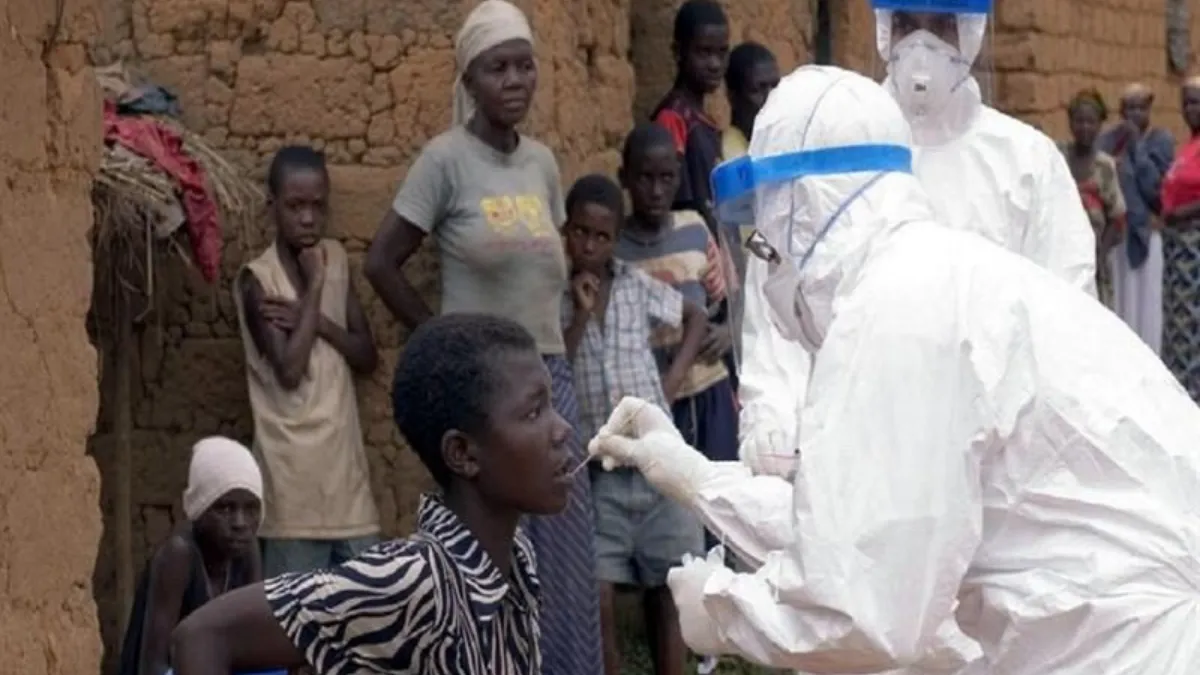
Marburg Virus in Ethiopia has become a major global health concern after officials confirmed nine new cases in the country’s southern Omo region, an area located close to the border with South Sudan. Health authorities reported that the infected individuals showed symptoms consistent with viral hemorrhagic fever, prompting immediate investigation and containment efforts. The World Health Organization (WHO) has now stepped in with emergency support, calling the situation serious but still manageable due to Ethiopia’s rapid response.
First Confirmed Outbreak in Ethiopia
The world has barely emerged from the shadows of the COVID-19 pandemic, and now another deadly pathogen is drawing attention. Ethiopia has officially confirmed its first-ever outbreak of the Marburg virus, a highly infectious and often fatal disease from the same family as Ebola. According to Ethiopia’s Ministry of Health, nine patients in the Omo region tested positive after showing symptoms including high fever, severe weakness, and signs of internal bleeding.
Health workers began suspecting Marburg after noticing unusual patterns of illness involving hemorrhagic fever symptoms. Laboratory tests later confirmed the presence of the virus, marking the country’s first recorded outbreak.
WHO Praises Ethiopia for Fast and Transparent Action
WHO Director-General Dr. Tedros Adhanom Ghebreyesus acknowledged Ethiopia’s swift response in handling the situation. In a public statement, he noted that early detection and transparent reporting have played a crucial role in preventing the virus from spreading widely.
According to WHO, the Ethiopian Ministry of Health quickly activated its response system, isolated infected individuals, and heightened surveillance across the region. This quick action is being seen as essential in containing the outbreak during its initial stage.
WHO Teams on Ground for Treatment and Contact Tracing
Following confirmation of Marburg Virus in Ethiopia, WHO emergency teams have been deployed to support local health authorities. Their work includes:
- Providing medical care to infected patients
- Conducting contact tracing across affected communities
- Screening suspected cases
- Supporting laboratories with diagnostic tests
- Strengthening infection-prevention measures in regional hospitals
Ethiopian health officials have set up isolation facilities and mobilized additional medical workers to prevent the virus from spreading beyond the southern region.
Concern Over Spread Near South Sudan Border
Dr. John Nkengasong, Director of Africa CDC, expressed concern over the location of the outbreak, which is very close to South Sudan. He noted that South Sudan’s limited healthcare infrastructure increases the risk of regional spread, making rapid containment in Ethiopia even more urgent.
Cross-border movements for trade, travel, and daily activities are common in this area, raising the possibility of undetected transmission. Both Ethiopia and regional health partners are now working to intensify border screenings to reduce this risk.
What Is the Marburg Virus?
Marburg virus is a rare but extremely dangerous pathogen that causes viral hemorrhagic fever. It belongs to the filovirus family, the same family as the Ebola virus. The disease is known for its high fatality rates, which can range from 24% to 88% depending on the strength of the outbreak and available medical care.
Symptoms of Marburg Virus Infection
Early symptoms appear suddenly and can worsen quickly. Key symptoms include:
- High fever
- Severe headache
- Intense muscle pain
- Fatigue and weakness
- Nausea, vomiting, or diarrhea
- Rash
- Internal and external bleeding in advanced stages
The disease spreads through direct contact with the bodily fluids of an infected person, including blood, saliva, vomit, sweat, or contaminated materials such as clothing or bedding. Unlike airborne illnesses, Marburg does not spread through the air, but its mode of transmission still makes it highly contagious in close-contact environments.
No Approved Vaccine or Specific Treatment Yet
As of now, there is no licensed vaccine or antiviral treatment for Marburg virus. Medical care focuses primarily on managing symptoms and supporting the patient’s immune system. Common treatment methods include:
- Rehydration through oral or intravenous fluids
- Managing fever and pain
- Replacing lost blood or electrolytes
- Monitoring organ function
- Preventing secondary infections through strict hygiene protocols
Because of the lack of specific treatment options, early detection and isolation remain the most effective tools in preventing large outbreaks.
Ethiopia Strengthens Community Screenings and Isolation Measures
Local health authorities in Ethiopia have begun extensive screenings in villages surrounding the Omo region. Community health workers are:
- Identifying individuals who may have been in contact with the confirmed cases
- Collecting data on travel histories
- Monitoring all high-risk groups for symptoms
- Educating residents about prevention, hygiene, and safe practices
Patients who tested positive have been moved to isolated treatment centers, where they are receiving round-the-clock care. Health officials have also urged people not to panic and to follow official safety guidelines.
Also read: Syrian President Al-Sharaa to Meet Trump: A New Era in U.S.–Syria Relations Begins
Global Health Community on High Alert
The emergence of Marburg Virus in Ethiopia has drawn global attention because East Africa has previously seen deadly outbreaks in countries like Uganda and Tanzania. While the current situation in Ethiopia is being contained, global health agencies are monitoring it closely due to the virus’s potential to cause severe epidemics if not controlled early.
International experts believe that Ethiopia’s early reporting provides an opportunity to contain the outbreak before it grows into a broader regional crisis. WHO has signaled that more medical supplies and support teams will be sent if the situation evolves.
A Critical Moment for Public Health
The confirmation of Marburg virus cases in Ethiopia serves as a reminder that the world continues to face emerging infectious threats even after the COVID-19 pandemic. While there is no immediate indication of global spread, health authorities emphasize that vigilance and early action remain essential.
For now, the focus remains on stopping the virus within Ethiopia’s borders, supporting infected patients, and preventing cross-border transmission.